All movements
Loading…
Previous movements
Previous movements open for members. Today's movement is always free.
Daily movement
Unhitch eye tracking from head rotation to dissolve deep neck tension and quiet your visual baseline.
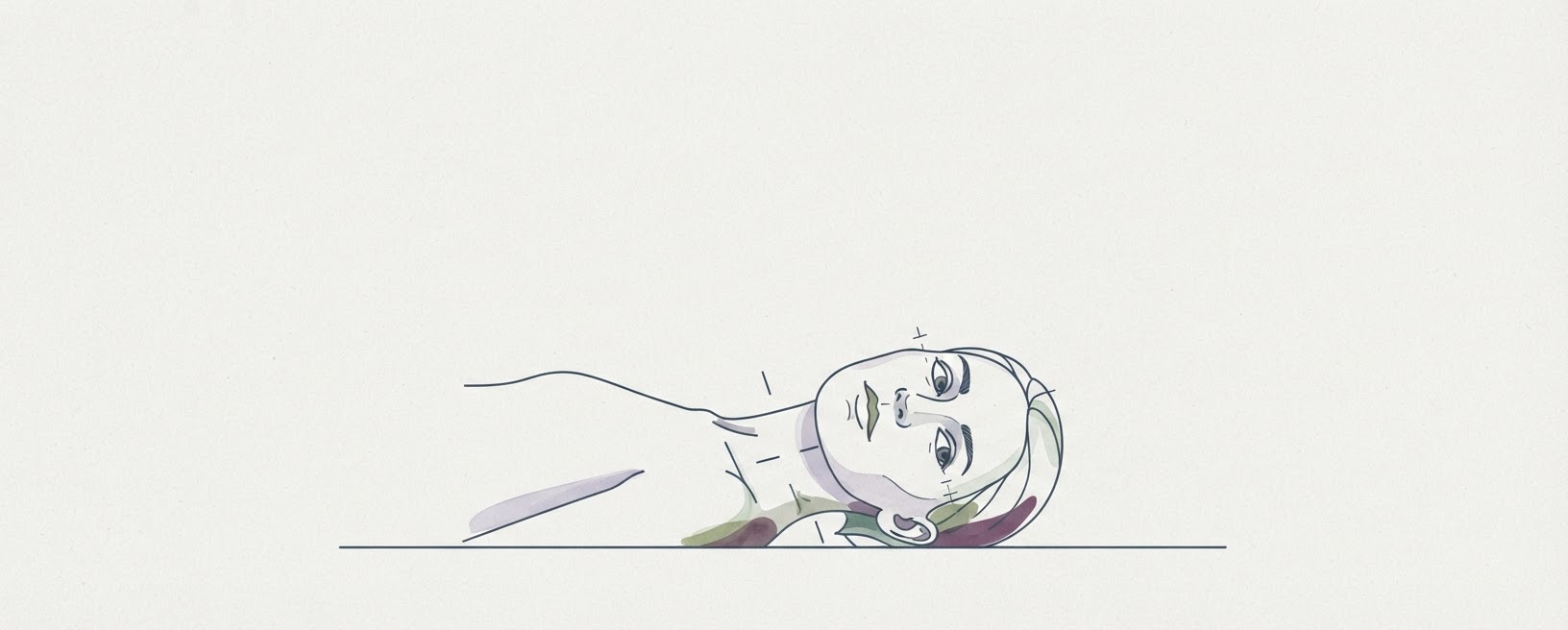
Unhitch eye tracking from head rotation to dissolve deep neck tension and quiet your visual baseline.
Feldenkrais · Feldenkrais Awareness Through Movement (Moshé Feldenkrais) · Oculomotor fatigue and chronic suboccipital grip after hours of fixed-focal screen work. · 5 to 8 slow repetitions per side, 60-second rest between sides
I spent years treating my neck tension with aggressive stretches and massage balls, which usually made the back of my skull flare up by evening. The suboccipital triad shares a direct reflex arc with the extraocular muscles through the tectospinal tract. When your gaze locks onto a laptop for 7 hours, your deep cervical rotators freeze in sympathetic lockstep with your retinas to stabilise visual input. Moshé Feldenkrais built these micro-movements to uncouple that habitual co-contraction. Moving the eyes in the opposite direction of the skull disrupts the brainstem's automatic motor patterns, lowering baseline efferent drive to the rectus capitis and obliquus capitis muscles. At the tissue level, these micro-rotations create gentle shearing across the deep investiture fascia of the upper cervical spine, restoring local capillary perfusion without triggering the protective stretch reflexes that aggressive mobilization invariably sets off.
Lie flat on your back on a firm mat or blanket with your knees bent and feet resting flat on the floor, about hip-width apart. Rest your arms quietly by your sides and take 30 seconds to sense which parts of your shoulder blades and pelvis make firm contact with the floor.
Slowly roll your head 2 inches to the right, letting your eyes move in the exact same direction. Notice where your neck begins to resist. Return to center on an easy exhale. Repeat this 3 times, staying well below any threshold of effort.
Now, differentiate the eyes from the head. As you slowly turn your head to the right by just 2 inches, gently sweep your gaze to the left corner of the room. Keep your mouth soft and breathe normally through your nose.
Slowly return both your head and eyes to center at the exact same moment. Pause for a full breath.
Repeat this opposing glide 5 times. Keep the movement small, slow, and completely fluid, treating it like a quiet measurement rather than a stretch. You are training the suboccipital muscles to release their reflexive hold.
Rest flat on your back for 60 seconds with your legs long. Notice the sensation of weight through the back of your skull, your neck, and your upper chest before repeating the sequence to the left.