EDITION 18 |
The Nervous State
I
|
Why Box Breathing Fails in Acute Panic
How cold water triggers an instant vagal drop when counting to four leaves you shaking.
|  |
|
A note for this week
II
| A note for this week |  | A curious contradiction runs through this week of research: we keep demanding that our exhausted cognitive brain negotiate with raw motor reflexes that do not speak English. While writing about the trigeminal cardiac reflex for The Read, I kept running into clinical trials proving that trying to think or count your way out of autonomic panic is biologically backwards. In our review of the Pulsetto FIT X, that exact theme resurfaces around whether external electrical buzzing can substitute for your own native vagal brakes. Across the daily briefs on peptide retail booms and our desk-reset routines, the signal is identical. When the nervous system redlines under pressure, intellectual advice is useless. A physical input is the only language your autonomic wiring respects. |
|
The Masthead
III
| Kokorology | | What Kokorology means
Kokoro is Japanese for the alignment of heart, mind, body and soul. The -logy is the ambition: that wellness stops being a lifestyle aisle and becomes a school subject.
Who writes this
I'm Sabin — founder, builder and writer, working across wellness, AI, design and independent media. Kokorology brings my reading on the nervous system together with practices, protocols and tools for everyday life.
I update my understanding as I read. This magazine is where I share the threads worth following: research, daily reads, movement, routines and the questions behind them. | |
More about Kokorology and Sabin
kokorology.com/about
|
|
Contents
V
| Week of Monday 16 November |  | |
A note for this week
From Sabin
| |
The Masthead
Kokorology and who writes this
| |
Keep in touch
The conversation continues
| |
The Read
Why Box Breathing Fails in Acute Panic
| |
The Week in Briefs
5 daily reads, one page each.
| |
Signals
Eight signals tracking the shift from cognitive coping to physical and biological interventions.
| |
The Verdict
Pulsetto FIT X
| |
Evidence
Four clinical papers mapping the limits of cognitive control and the physical levers of the nervous system.
| |
The Practice
Clear Sympathetic Drive After Hard Training
| |
The Movement
Wide-Knee Child Pose with Posterior Expansion
| |
The Routine
Clear Post-Meeting Cognitive Static
| |
Also this week
77 pieces recapped.
| |
Correspondence
Where to go next.
|
|
The Read
VI
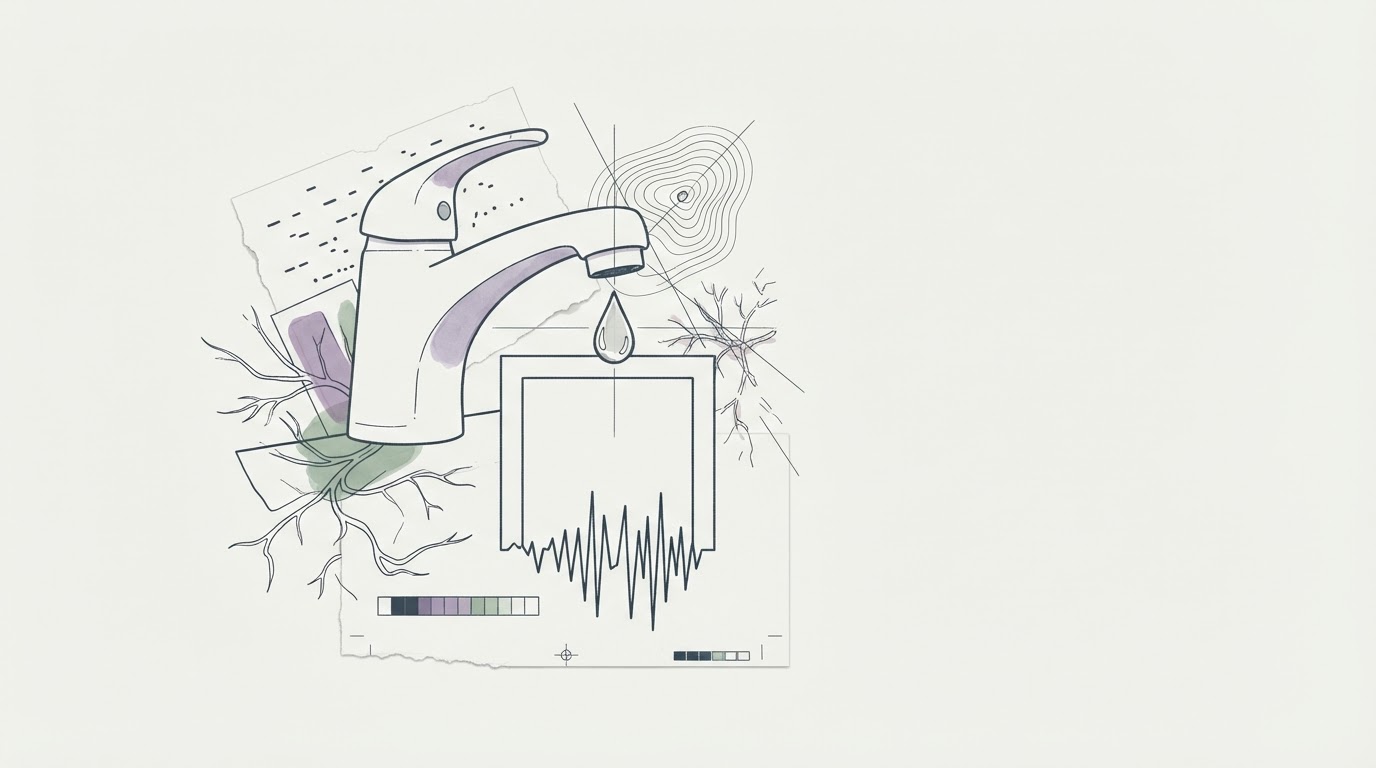
| Why Box Breathing Fails in Acute Panic | Asking a hijacked prefrontal cortex to count to four is a cognitive trap; your heart needs an involuntary reflex to cut through adrenaline. | Every corporate wellness seminar teaches the same emergency drill: when anxiety spikes, retreat to a bathroom stall, square your shoulders, and breathe in a box. Inhale for four seconds, hold for four, exhale for four, hold for four. It sounds impeccably tidy on a slide deck. Yet anyone who has stood in an office bathroom with a resting heart rate pinned at 135 beats per minute knows the humiliating sequel. Your chest feels like iron, your fingers tingle, and attempting to count to four merely gives your racing brain a rigid metronome to panic against.
This is not a character flaw. It is an evolutionary timing error. Box breathing relies entirely on top-down cognitive control, asking your prefrontal cortex to regulate breathing depth and track intervals. But during acute sympathetic flooding, your autonomic nervous system has already routed blood flow away from higher executive hubs and straight into subcortical survival circuits. Demanding deliberate pacing from a brain drowning in catecholamines asks the hostage to negotiate with the storm. Biology does not take polite requests under fire.
The Trigeminal Circuit
If you want the heart to slow down during an adrenaline surge, you must bypass executive narration and activate a hardwired physiological override. That mechanism is the trigeminal-cardiac reflex, an evolutionary survival circuit preserved in every diving mammal. When cold water hits the sensitive ophthalmic and maxillary branches of your fifth cranial nerve across the nasal bridge and upper cheeks, it sends an immediate sensory volley straight to the sensory nucleus of the trigeminal nerve in the brainstem.
That afferent burst does not consult your thoughts. It triggers an involuntary efferent motor command through the motor nucleus of the vagus nerve, firing a massive surge of acetylcholine directly at the heart's sinoatrial node. The physiological outcome is rapid, unnegotiated bradycardia. In laboratory trials running human immersion protocols, resting heart rates plunge by 10 to 25 percent within fifteen seconds of cold contact. Peripheral blood vessels constrict while cerebral blood flow is preserved.
The Temperature Threshold
I spent years wondering why brief splashed water sometimes worked while cold showers just left me gasping. The difference comes down to receptive fields and temperature thresholds mapped by researchers like Dr. Michael Panneton at Saint Louis University. Receptors around your eyes and midface require water below 15 degrees Celsius to trigger the full vagal reflex arc. Submerging your face into a basin of tap water with three ice cubes for twenty seconds produces a profound autonomic downshift that ten minutes of forced counting cannot match.
Cooling the palms or neck helps, but the trigeminal density around the nasal bridge provides the true master switch. The reflex functions as a mechanical circuit breaker on runaway sympathetic drive. It does not ask how you feel about the deadline or what your calendar looks like at 2 PM. It simply drops cardiac output because your brainstem assumes your face is underwater and prioritises oxygen conservation above whatever mental loop is spinning.
Next time an acute adrenaline surge locks your chest, leave the bathroom stall and walk to the sink. Fill the basin with cold tap water, take a normal breath, and submerge your face from cheekbone to cheekbone for twenty seconds. Let the physical circuit do what language cannot. | |
Demanding deliberate pacing from a brain drowning in catecholamines asks the hostage to negotiate with the storm.
| |
Read the original
www.kokorology.com/r/e2hxzy2
|
|
The Week in Briefs
VII
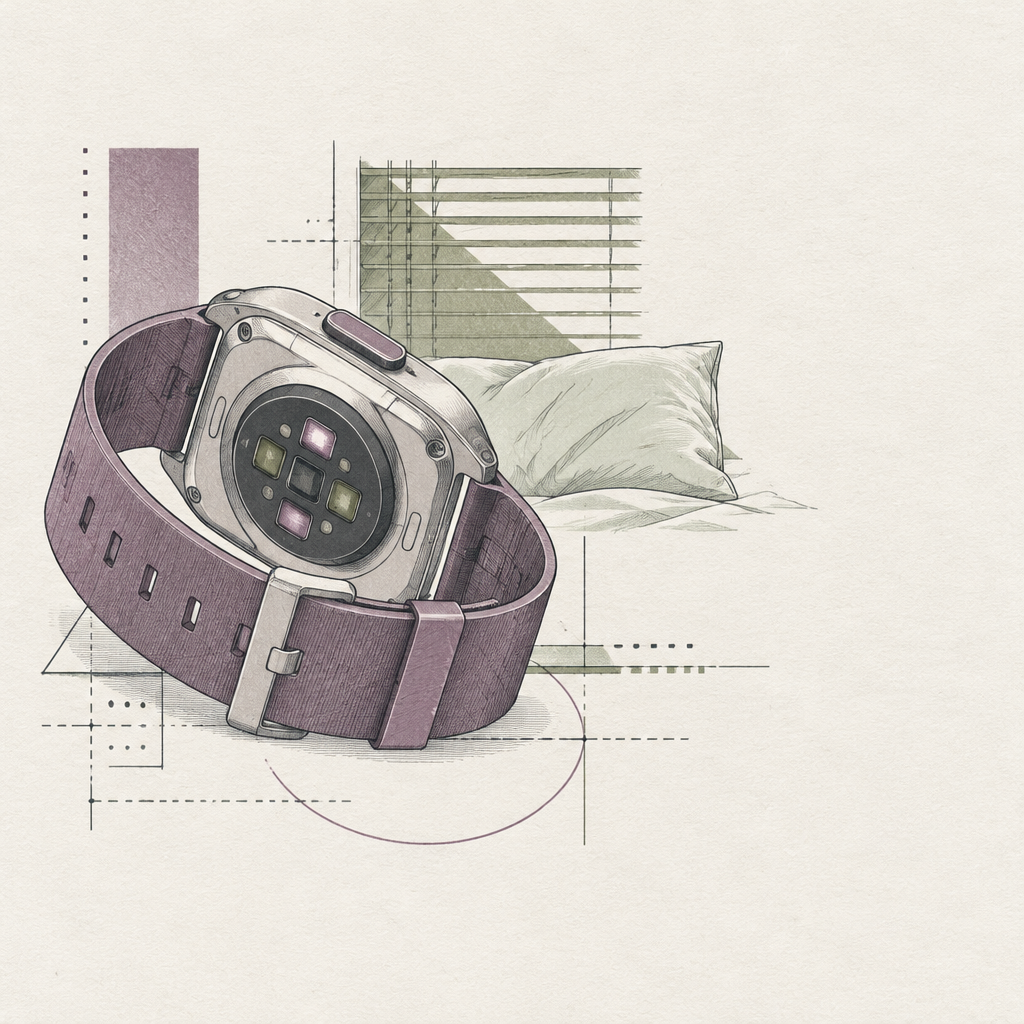
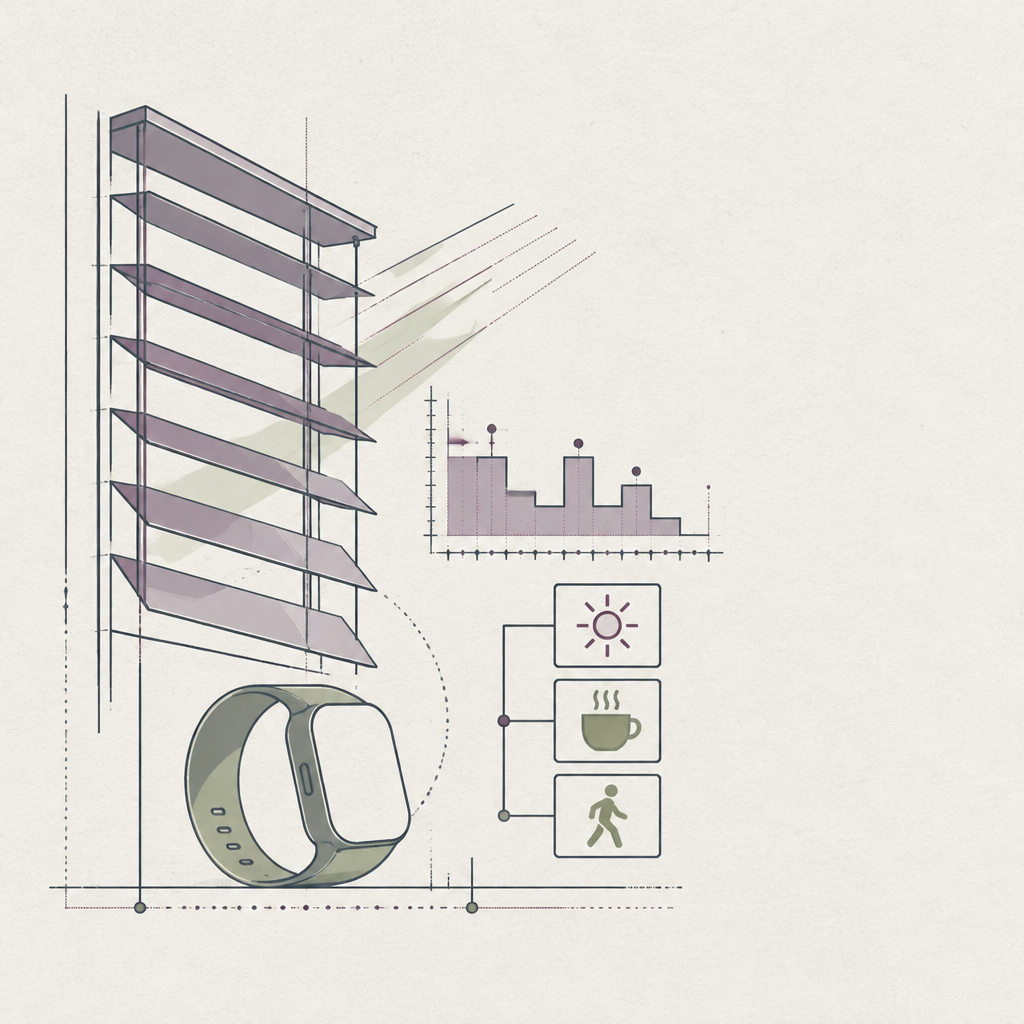
| Sleep Tech Moves Toward Brain Stimulation | Hardware shifts from passive sleep charts to acoustic pacing. | 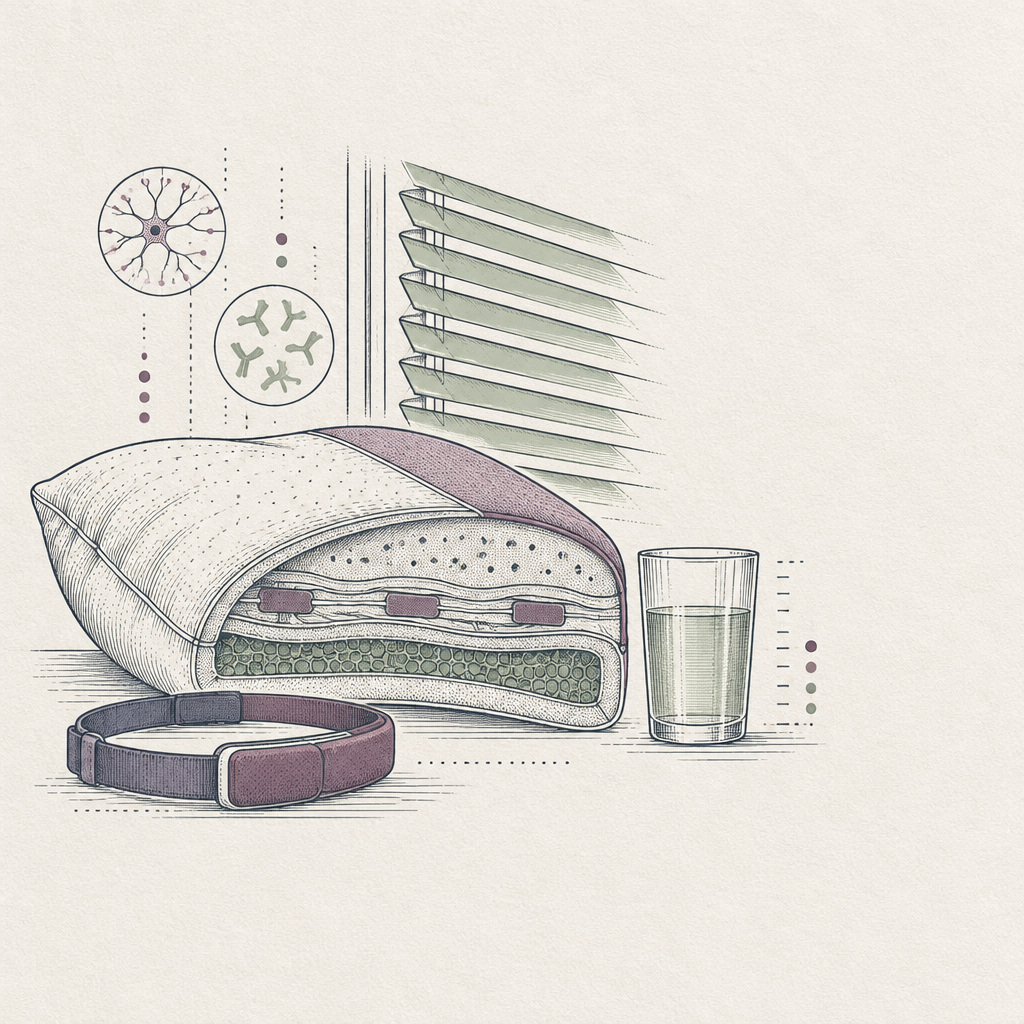 | Tracking your poor rest on an app does not produce recovery. For five years, consumer trackers handed users a score of 58 and left them to carry that anxiety through breakfast. The shift toward active acoustic and sensory pacing during non-REM sleep is an admission that passive observation failed. When slow waves are supported by phase-locked auditory pulses, the glymphatic clearance of metabolic waste proceeds without requiring the user to interpret a dashboard. The engineering hurdle remains sensor noise on moving skin, but the clinical direction is unmistakable. | |
Passive sleep tracking generates anxiety without improving slow-wave depth.
| |
Acoustic pacing during non-REM rest directly supports glymphatic clearance.
| |
Commercial algorithms struggle to extract stable longevity biomarkers from wearable sleep stages.
| |
Read the full daily read
www.kokorology.com/r/3mx2ein
|
|
The Week in Briefs
VIII
| Gyms Pivot Staff to Protect GLP-1 Revenue | Fitness chains retrain trainers around muscle preservation. | 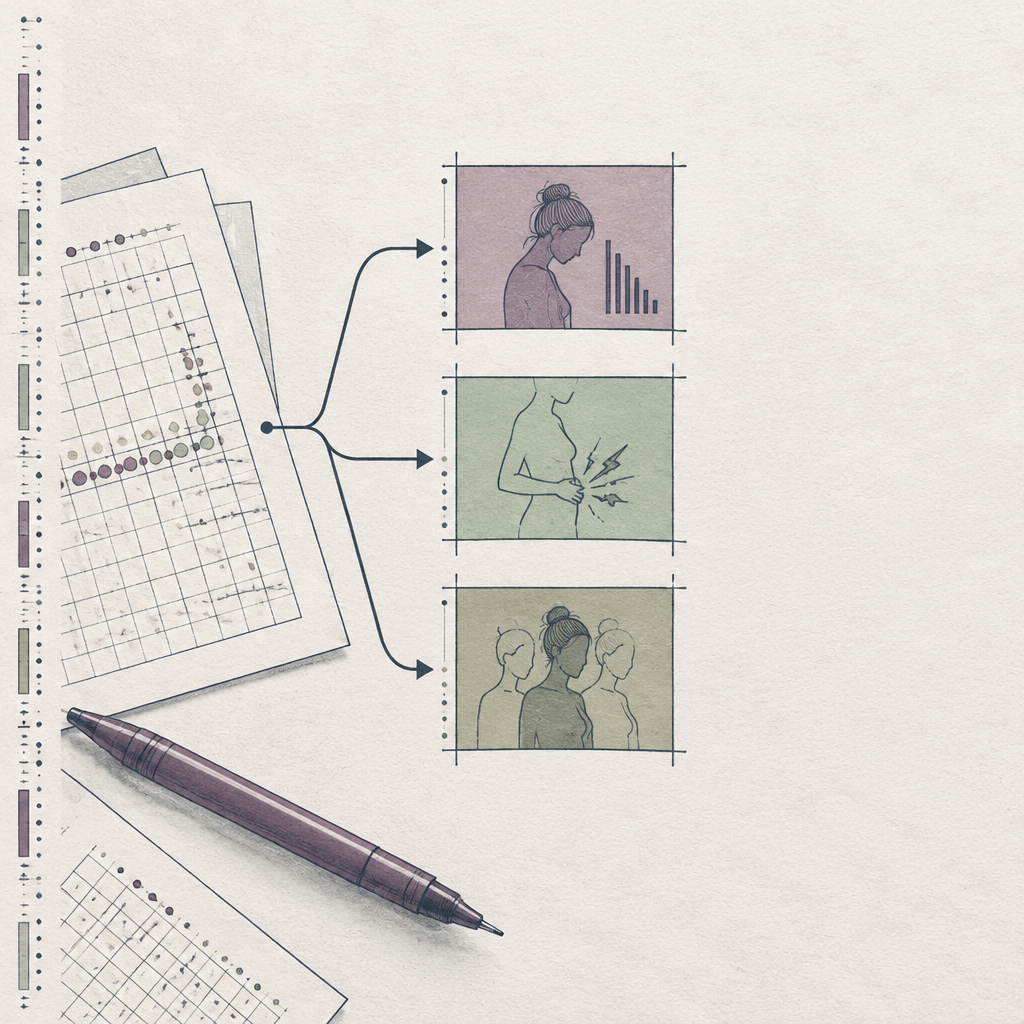 | High-intensity boutique fitness spent a decade selling exhaustion as proof of work. That model breaks completely against pharmaceutical appetite suppression. When someone takes semaglutide, intense metabolic conditioning simply accelerates nausea and skeletal muscle loss. Chains are pivoting their coaching manuals toward progressive resistance and low-strain loading because patients shedding thirty pounds on medication cannot afford to lose ten pounds of functional muscle. Studios that refuse to adapt will watch members walk away from sheer physical burnout. | |
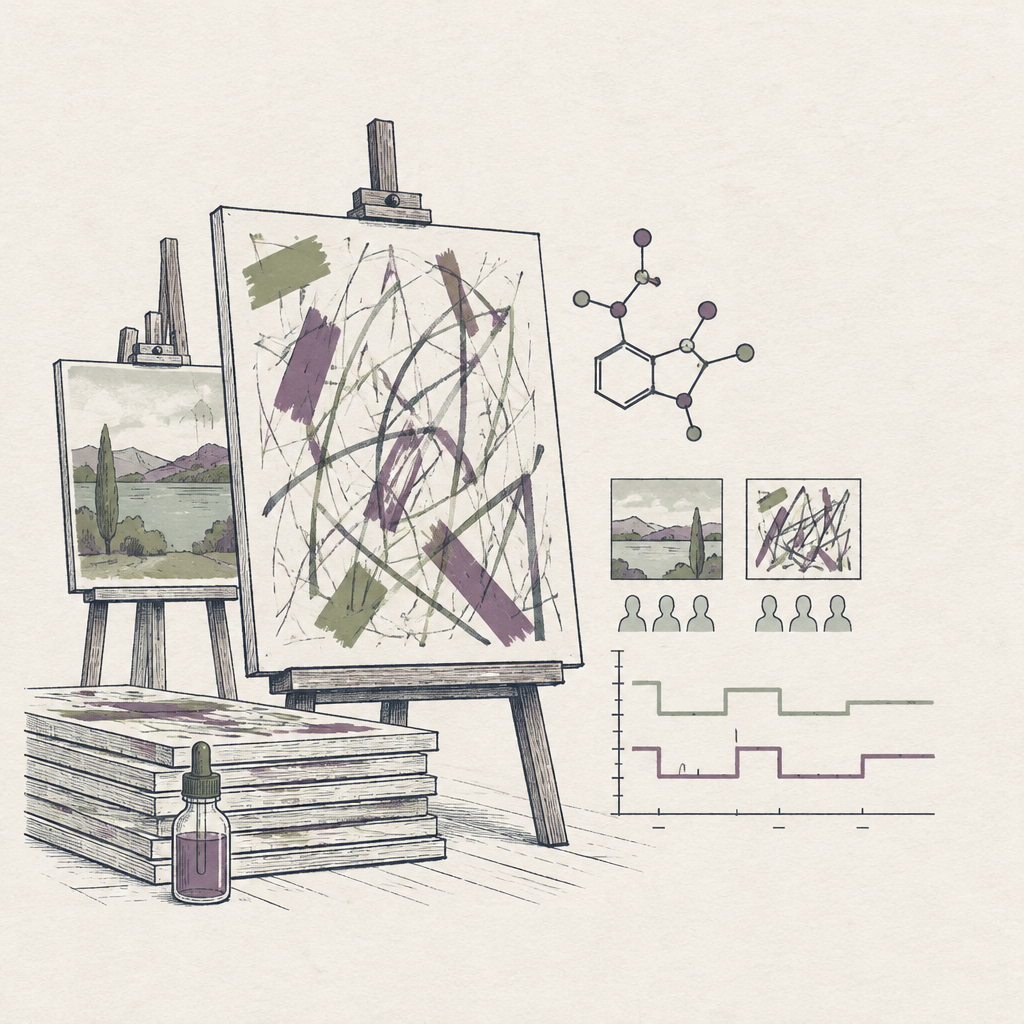
Metabolic conditioning accelerates muscle wasting during pharmaceutical calorie deficits.
| |
Commercial studios are trading high-intensity circuits for progressive resistance protocols.
| |
Preserving lean skeletal mass is the only viable retention strategy for medicated members.
| |
Read the full daily read
www.kokorology.com/r/9wuhmdw
|
|
The Week in Briefs
IX
| GLP-1 Genetics Squeeze Compounding Rules | Receptor mutations expose wide non-response rates. | 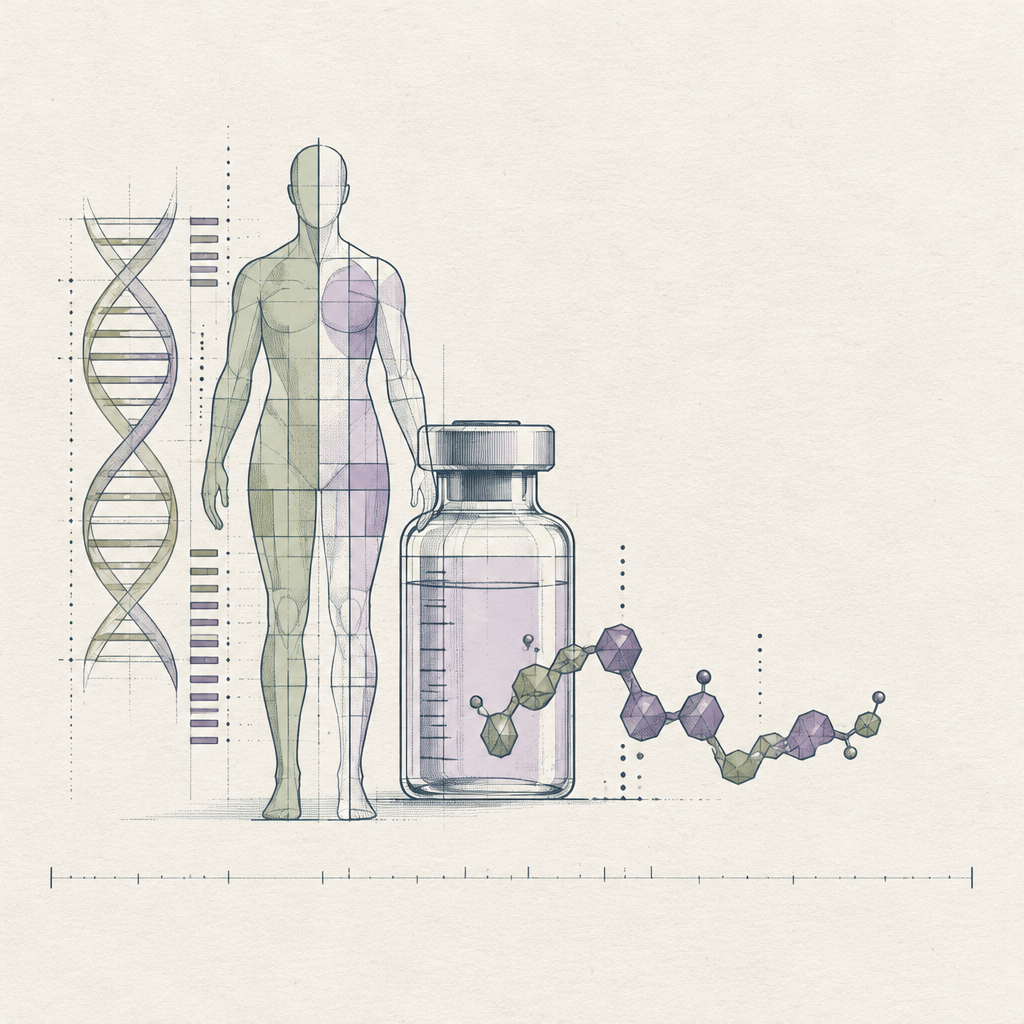 | Treating pharmaceutical weight loss as a universal metabolic hammer ignores receptor biology. A 15 percent non-response rate rooted in point mutations explains why thousands of patients endure severe gastrointestinal distress without losing significant weight. Dual agonists targeting both GLP-1 and GIP receptors bypass that specific receptor blockade, but their cost remains prohibitive. Meanwhile, the regulatory pause on compounding pharmacies creates a brief, messy gray market where unverified salt formulations get shipped directly to kitchen tables. | |
Fifteen percent of patients carry GLP1R mutations that block standard semaglutide response.
| |
Dual-agonist molecules bypass single-receptor resistance at significantly higher retail prices.
| |
Compounding pharmacies are filling patient supply gaps ahead of formal agency guidance.
| |
Read the full daily read
www.kokorology.com/r/9dwhpm5
|
|
The Week in Briefs
X
| Telehealth Gathers $228M for Hormone Mail | Cash-pay longevity care moves into home mailboxes. | 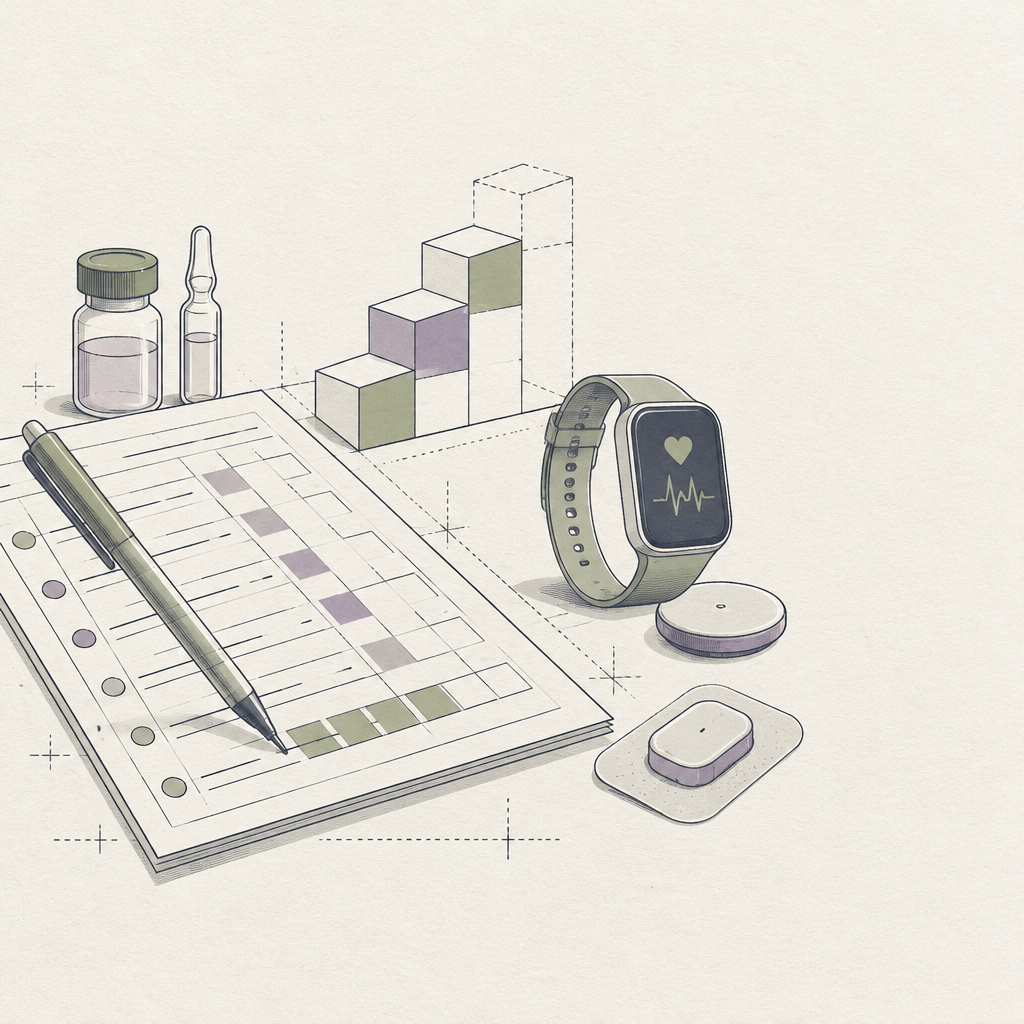 | When traditional primary care tells an exhausted forty-year-old that a fasting glucose of 99 and rock-bottom free testosterone are completely normal, patients vote with their wallets. Hone's capital facility signals that routine endocrine management is migrating out of hospital basement suites and into monthly subscription deliveries. The tension lies in safety oversight: compounding labs are shipping peptides like BPC-157 with minimal long-term human trial data, yet demand for tissue repair and metabolic stabilization keeps accelerating. | |
Patients bypass insurance gatekeepers to access direct at-home endocrine panels.
| |
Venture funds are backing cash-pay peptide subscriptions over standard clinical visits.
| |
Compounded peptides remain in regulatory limbo despite surging consumer adoption.
| |
Read the full daily read
www.kokorology.com/r/92b8uw4
|
|
The Week in Briefs
XI
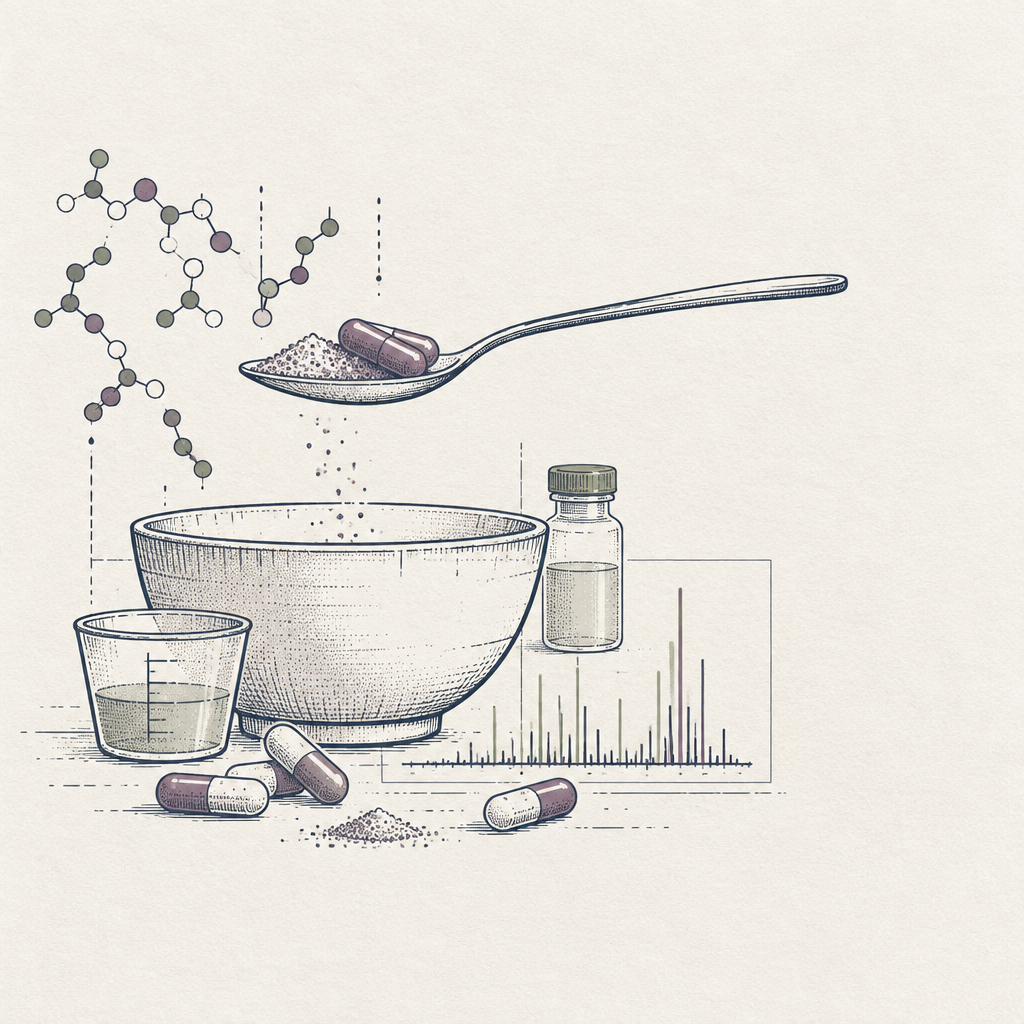
| Muscle Loss Data Hits Retail Supplement Shelves | Clinical protocols pivot to protect skeletal mass. | | The initial euphoria over appetite suppression is colliding with clinical body scans. Losing lean tissue degrades resting metabolic rate and compromises glucose disposal, setting patients up for rapid rebound weight gain the moment injections stop. Health retailers are stocking leucine, whey isolates, and bone-density minerals to capture patients whose daily food volume dropped by half. Without heavy mechanical tension on bones and tendons, rapid mass loss simply accelerates sarcopenia under a smaller shirt size. | |
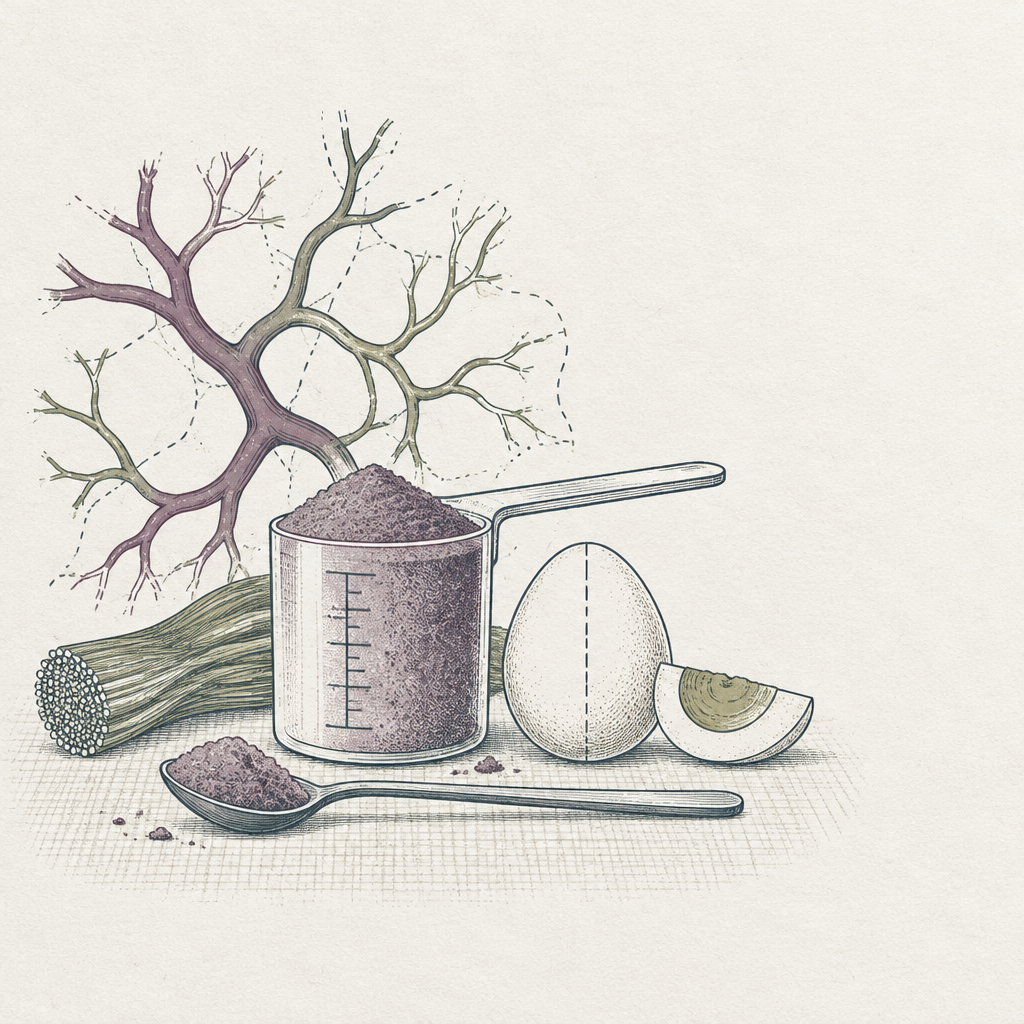
Up to forty percent of weight shed on GLP-1 agonists comes from functional muscle.
| |
Loss of lean mass degrades resting metabolic rate and glucose clearance capacity.
| |
Retailers and telehealth providers are bundling high-density amino acids with resistance training.
| |
Read the full daily read
www.kokorology.com/r/t2u563c
|
|
Signals
XII
| What moved, and what it means | Eight signals tracking the shift from cognitive coping to physical and biological interventions. |  | |
Severe PMS Splits Into Three Distinct Subtypes In New Research
ScienceAlert · 21/11/2026
Severe premenstrual distress splits into three distinct biological subtypes, proving why generic SSRIs and birth control pills fail two out of three women.
| |
Nike Adds Beyond Power's $2,199 Smart Resistance Trainer to Strength Lineup
Athletech News · 21/11/2026
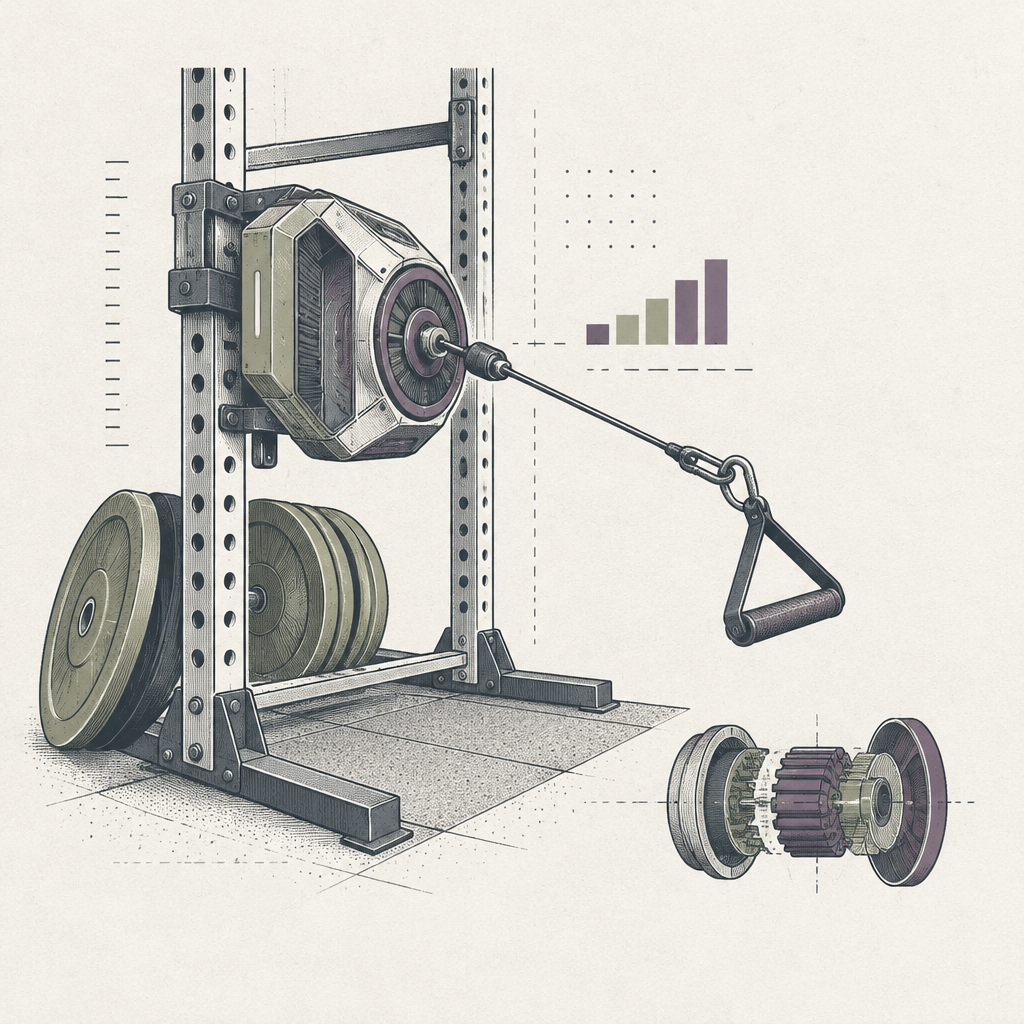
Nike's partnership with Beyond Power on a $2,199 motorized trainer shifts home strength from static iron to variable eccentric tension that protects aging tendons.
| |
Vagus nerve stimulation helps older adults transfer balance skills to new surfaces
GeroScience · 21/11/2026
Transcutaneous vagus nerve stimulation paired with balance training helped older adults transfer stability skills to novel, squishy surfaces overnight by restructuring cortical motor connectivity.
| |
Tau Hyperactivity in the Locus Coeruleus Directly Trashes Deep Sleep
Cell Metabolism · 20/11/2026
Early tau accumulation in the locus coeruleus triggers hyperactive noradrenaline firing that actively destroys slow-wave deep sleep decades before memory symptoms appear.
| |
Study of 33,500 CT Scans Finds Ab Size Does Not Prevent Back Pain
ScienceAlert · 20/11/2026
A review of 33,500 patient CT scans found zero link between abdominal muscle cross-sectional area and lower back pain, dismantling decades of isometric plank prescriptions.
| |
Brain recordings across 87 patients map how expectation blocks pain
Neuroscience News · 20/11/2026
Intracranial recordings across 87 patients demonstrate that expectation and emotional safety in the anterior insula mechanically block nociceptive pain signals before conscious perception.
| |
Ultraprocessed Diet Blunts Brain Reward Response in Two Weeks
Neuroscience News · 19/11/2026
Two weeks of an ultraprocessed diet blunts reward signaling in the orbitofrontal cortex independently of calories, sugar, or fat content, leaving baseline appetite dysregulated.
| |
Largest Chronic Pain Gene Study Pinpoints Central Nervous System Origins
The New York Times - Health · 18/11/2026
A genomic analysis of 600,000 individuals locates the root of chronic pain in central sensory gating and sleep architecture circuits rather than peripheral joint tissues.
|
|
Kokorology product
13
| Start with whatever is costing you most this week. Each protocol is €40; stacking more lowers the price. |  |
|
The Verdict
14
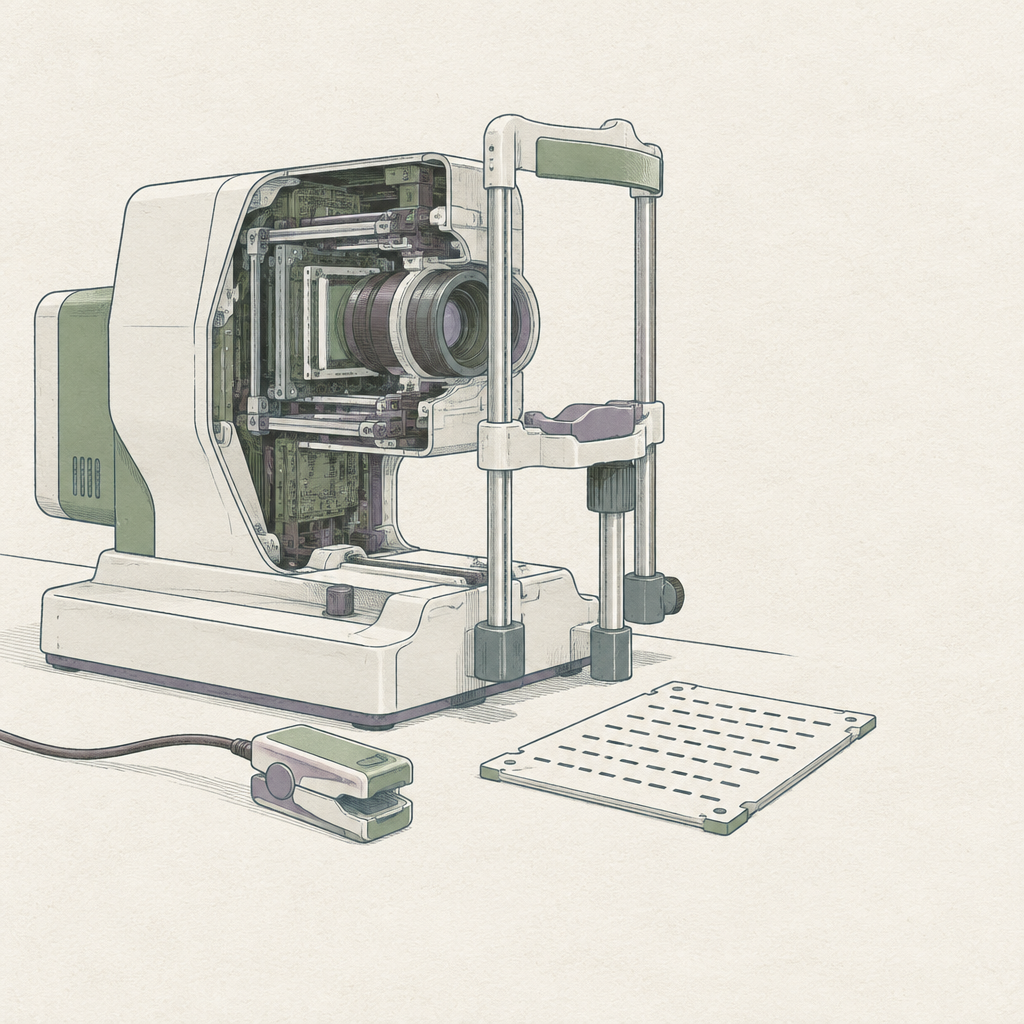
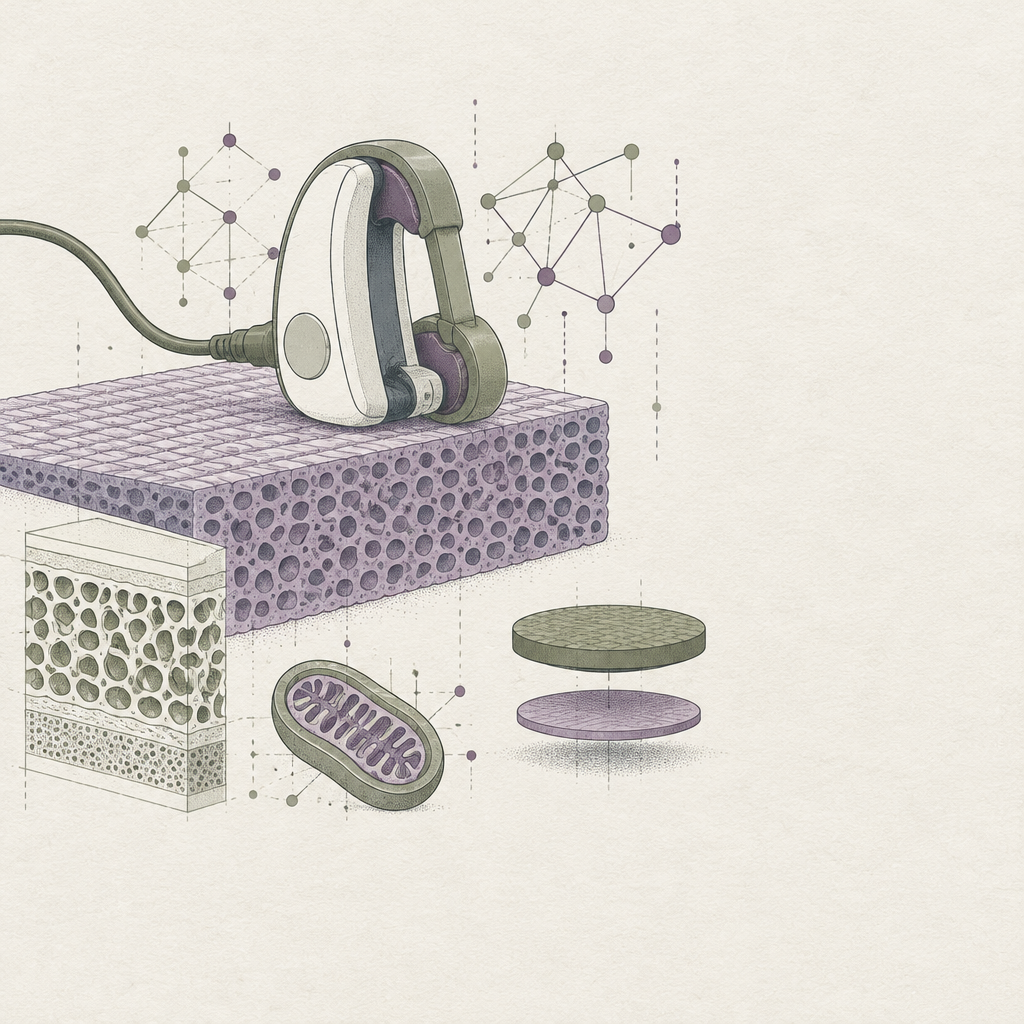
| Pulsetto FIT X | A wearable vagus stimulator that delivers real parasympathetic signals through messy neck electrodes. | 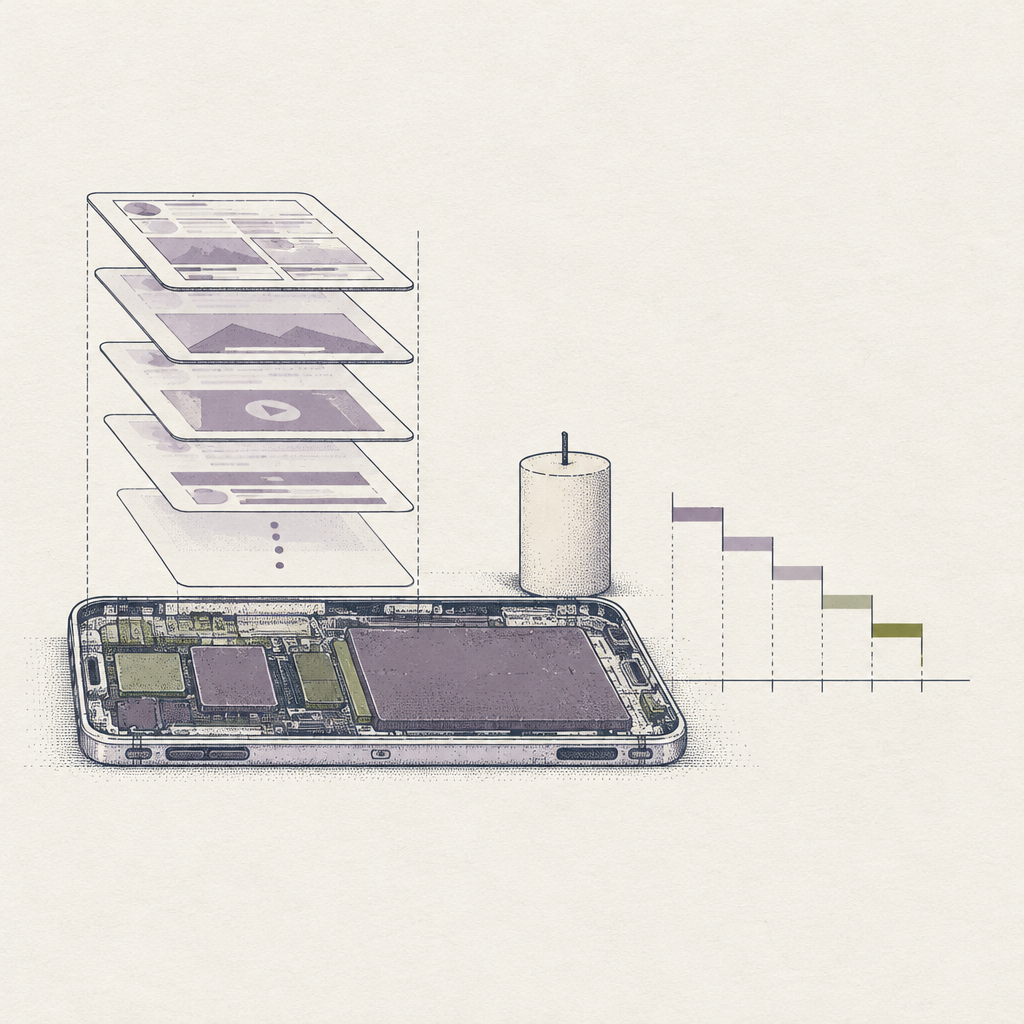 | Consumer vagus nerve stimulation has spent five years straddling the line between clinical neuromodulation and expensive desk toys. The Pulsetto FIT X attempts to bridge that gap by wrapping around the back of your neck to deliver low-frequency electrical pulses directly into the cervical branch of the vagus nerve. At roughly $280, it targets the autonomic switchboard that controls heart rate recovery and systemic tension.
The hardware is surprisingly capable. When placed accurately over the carotid sheath with adequate conductive gel, the 2.5 kHz carrier frequency generates a genuine motor response, producing a measurable drop in resting heart rate of four to eight beats per minute within a nine-minute session. That matches the physiological pathway of transcutaneous vagal stimulation seen in hospital trials.
Yet the daily friction is hard to ignore. The device demands generous conductive gel that leaves your collar sticky before morning meetings, and minor shifts in neck placement turn a calming signal into an annoying skin sting. It cannot replace foundational sleep or movement baselines, but for someone locked in chronic sympathetic overdrive who needs an external brake, it provides an objective physical input.
Score: 6/10 | |
Pulsetto
use with care · 6/10
| |
Read the full review
kokorology.com/product-reviews/pulsetto-fit-x-vagus-nerve-wearable-review
|
|
Kokorology product
15
| A daily record of what your system is actually doing. Includes the complete hacks library. €25/mo. | 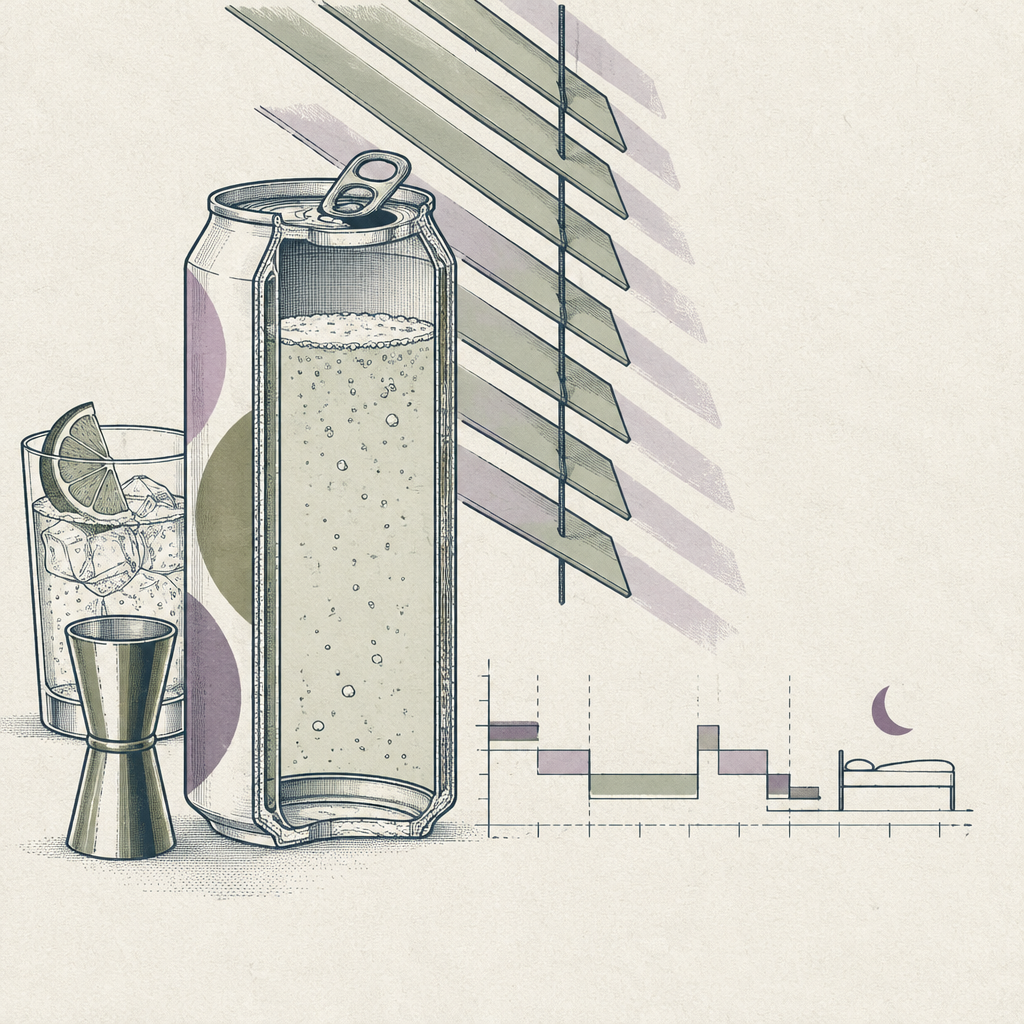 |
|
The Practice
17
| Clear Sympathetic Drive After Hard Training | Elevating your heels onto a box restores venous return and resets your baroreflex after intense output. | 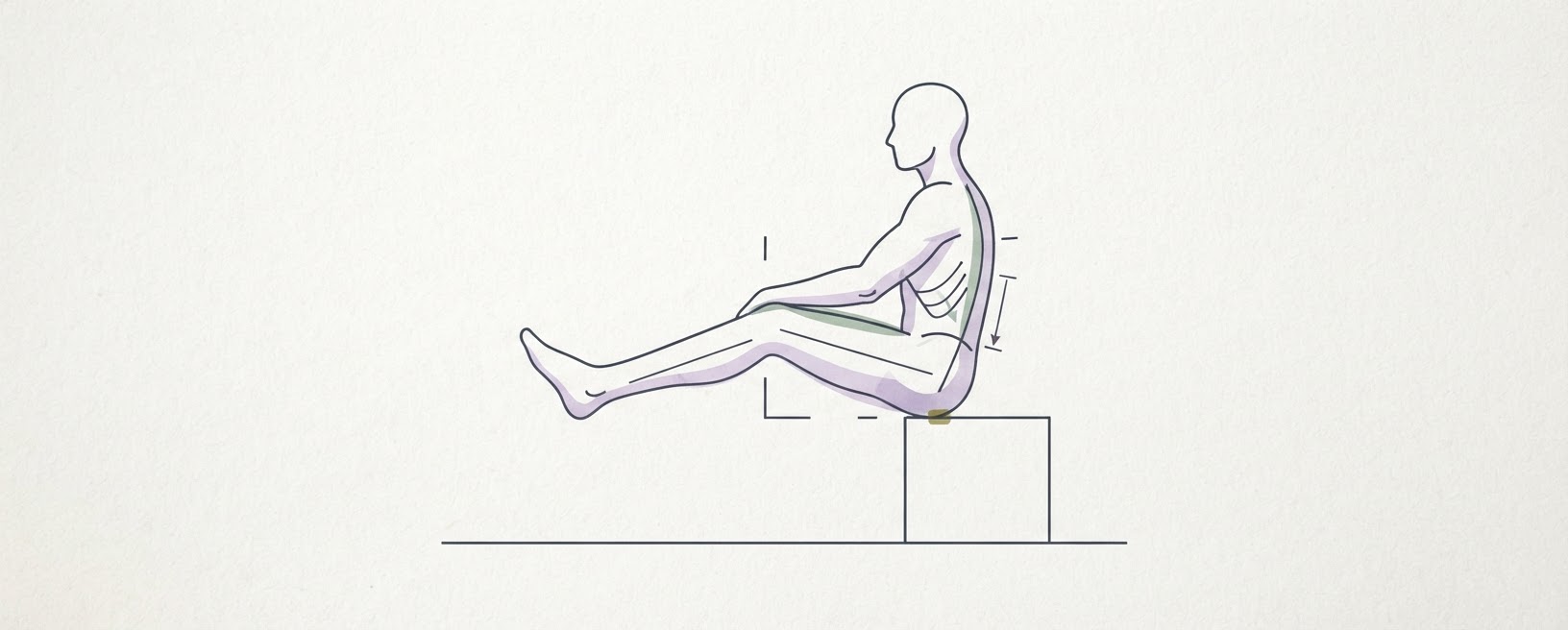 | Intense intervals leave blood pooled in working peripheral muscles while circulating adrenaline keeps your pulse pegged long after you stop moving. Sitting on the floor with elevated heels shifts venous return back toward the right atrium, triggering an immediate baroreceptor reflex that forces your heart rate down.
- Sit on the floor and place both heels onto a 45 cm bench or plyo box with knees bent at ninety degrees.
- Rest your elbows on your thighs and press your heels downward into the box with about 20% of your maximum effort.
- Inhale through your nose for four seconds, keeping your upper chest and shoulders completely still.
- Exhale smoothly through your nose over eight seconds, guiding your lower ribs down toward your pelvis.
- Hold empty for two seconds before beginning the next inhale.
- Maintain this cadence for six continuous minutes to stabilize your resting pulse.
| |
Practise it in full
www.kokorology.com/r/5szucot
| |
Log this in your Nervous System Journal →
|
|
The Movement
18
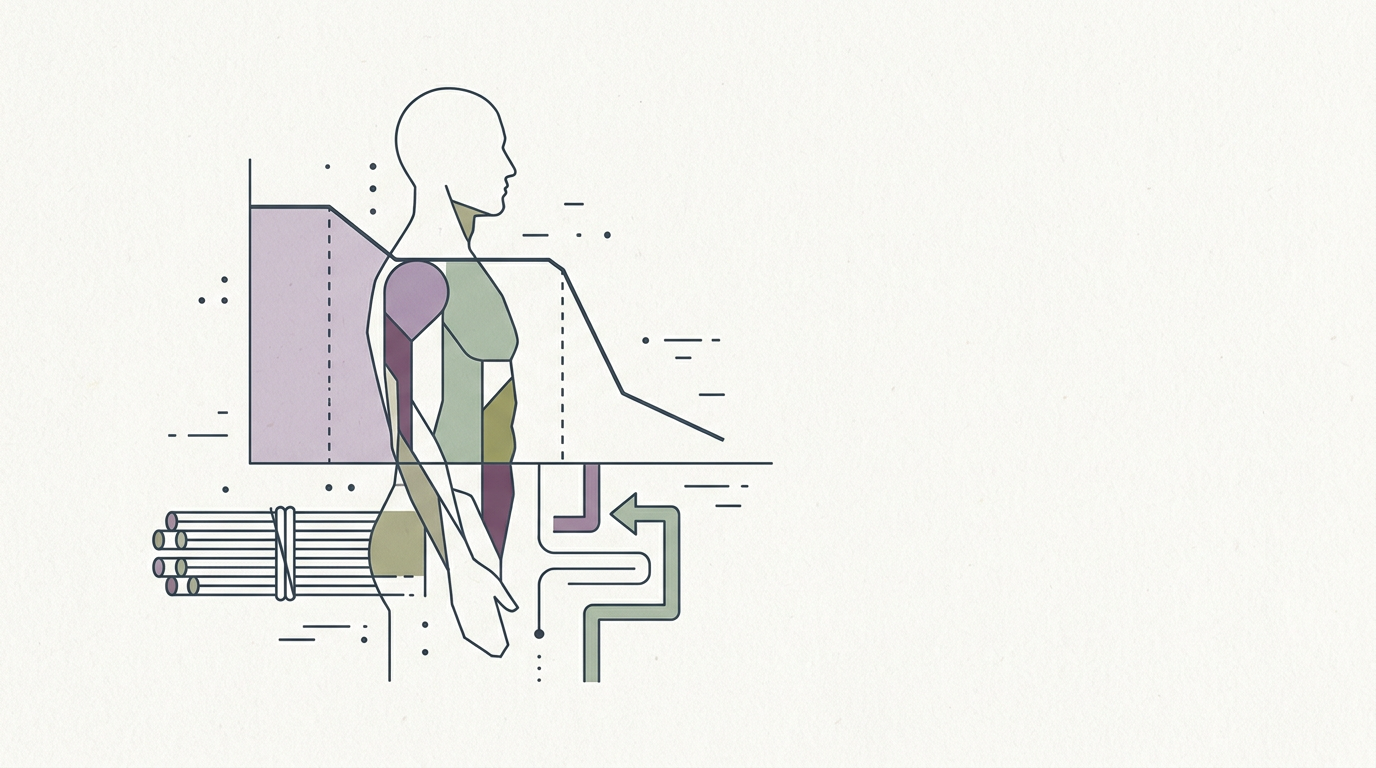
| Wide-Knee Child Pose with Posterior Expansion | Directing your breath into your mid-back releases guarded spinal muscles and downregulates tone. | 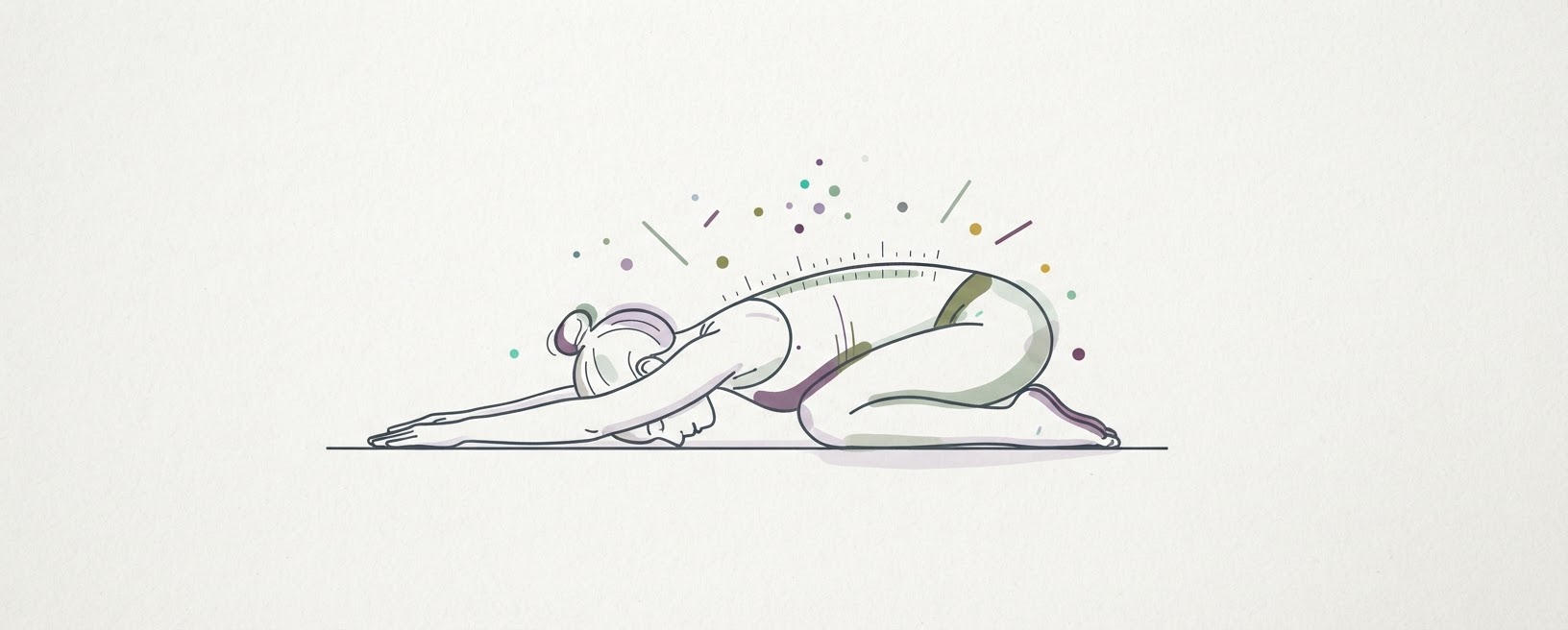 | When sympathetic drive stays elevated, the paraspinal muscles along your thoracic spine remain braced in defensive extension. This five-minute supported position opens the posterior ribcage and uses prolonged nasal exhales to signal mechanical safety.
- Kneel on a rug or mat with your big toes touching and take your knees wide enough for your ribcage to rest between your thighs.
- Sit your pelvis fully back onto your heels, using a folded cushion between your calves and hamstrings if your hips sit high.
- Walk your hands forward across the floor until your chest lowers and your forehead rests flat against the rug.
- Inhale through your nose for four seconds, directing the air into your mid-back and kidney space until your lower ribs widen.
- Exhale slowly through your nose for six seconds, allowing your neck, jaw, and pelvic floor to soften into the floor.
- Remain in this position for five minutes, keeping every exhale two seconds longer than your inhale.
| |
See the movement in full
www.kokorology.com/r/jenvis6
| |
Log this in your Nervous System Journal →
|
|
The Routine
19
| Clear Post-Meeting Cognitive Static | Three physical steps to unload spinal tension and drop baseline arousal after back-to-back calls. | 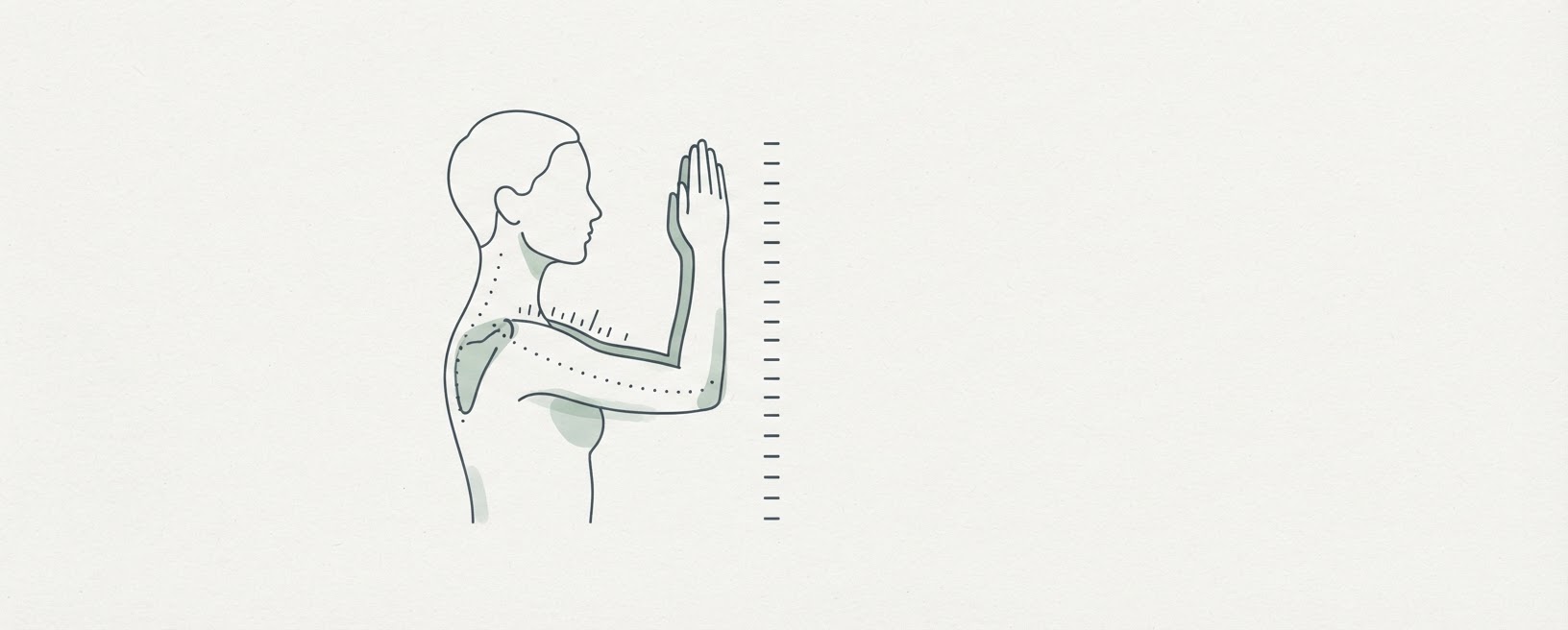 | Sitting through four hours of video calls locks your neck into forward flexion and pools blood in your gut, leaving you with flat energy and elevated baseline tension. Run this three-part physical reset before opening your inbox.
- Stir 1/8 teaspoon of sea salt into 250 ml of room-temperature water with fresh lemon juice and drink it while standing away from your desk.
- Stand inside a doorframe, place your right forearm against the jamb at ninety degrees, and step gently forward for 45 seconds per side to open pectoral fascia.
- Stand facing a bare wall, place your forearms flat against the surface at eye level, and slowly slide them upward six inches while exhaling to re-engage your serratus anterior.
| |
Follow the routine in full
www.kokorology.com/r/bwgt3jx
| |
Log this in your Nervous System Journal →
|
|
Kokorology product
20
| Every Anchor and every care package, without making your symptoms audition for separate subscriptions. |  |
|
Kokorology product
24
| Twenty packages, one per load: cortisol, sleep, recovery, hydration, peptides, cycle, immunity. |  |
|
Kokorology product
28
| Level 1 through certification. The mechanism, then the practice, then the proof you can teach it. |  |
|
Kokorology product
32
| The studies underneath every claim on this site, in plain English, with the numbers left in. |  |
|
Kokorology product
36
| One eight-minute repair a day. Free to read; included with the Nervous System Journal. | 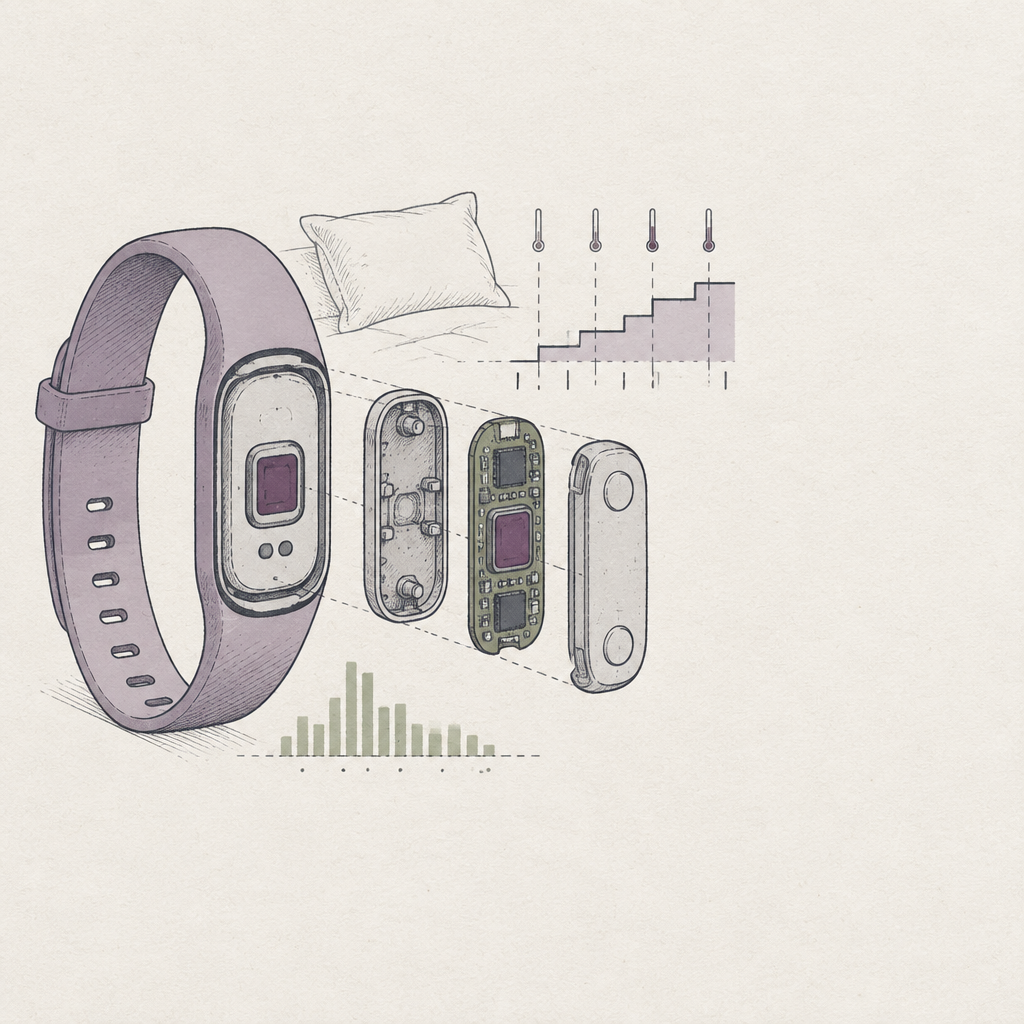 |
|
Kokorology product
38
| For teams whose output keeps outrunning their recovery. Capacity, measured — not vibes. |  |
|
From the house
39
| Two prompts in the morning, three at night, and the whole hacks library alongside them. €25/mo, cancel whenever. |  |
|
Correspondence
40
| The Physical Reset |  | The common thread across this week's data is that your nervous system is a physical organ that operates on pressure, temperature, and blood flow. It does not respond to inspirational slogans when adrenaline is running the show. If you finish this edition feeling tired but wired after an intense Tuesday, skip the meditation app and step away from your desk. Drink a glass of mineralized water, submerge your face in cold water for twenty seconds, or elevate your feet onto a chair for six minutes. Log what happens to your resting pulse inside the Nervous System Journal. Start with your physiology, and let your mind catch up afterward. | |
The Nervous System Journal — €25/mo
Two prompts in the morning, three at night. Includes the full hacks library.
| |
All Access — every anchor and care package
The whole system, one pass.
| |
Anchor protocols — €40 each
One protocol for the season you are actually in.
|
|