news
Weight stigma harms mental health, delays care for obesity
New research highlights how weight bias and discrimination create significant psychological and physical barriers for people with obesity, often leading to delayed medical care. Patients face judgment and negative assumptions across various settings, including healthcare. Addressing this stigma is crucial for delivering effective obesity treatment and supporting mental well-being.
New research highlights how weight bias and discrimination create significant psychological and physical barriers for people with obesity, often leading to delayed medical care. Patients face judgment and negative assumptions across various settings, including healthcare. Addressing this stigma is crucial for delivering effective obesity treatment and supporting mental well-being.
The architecture take
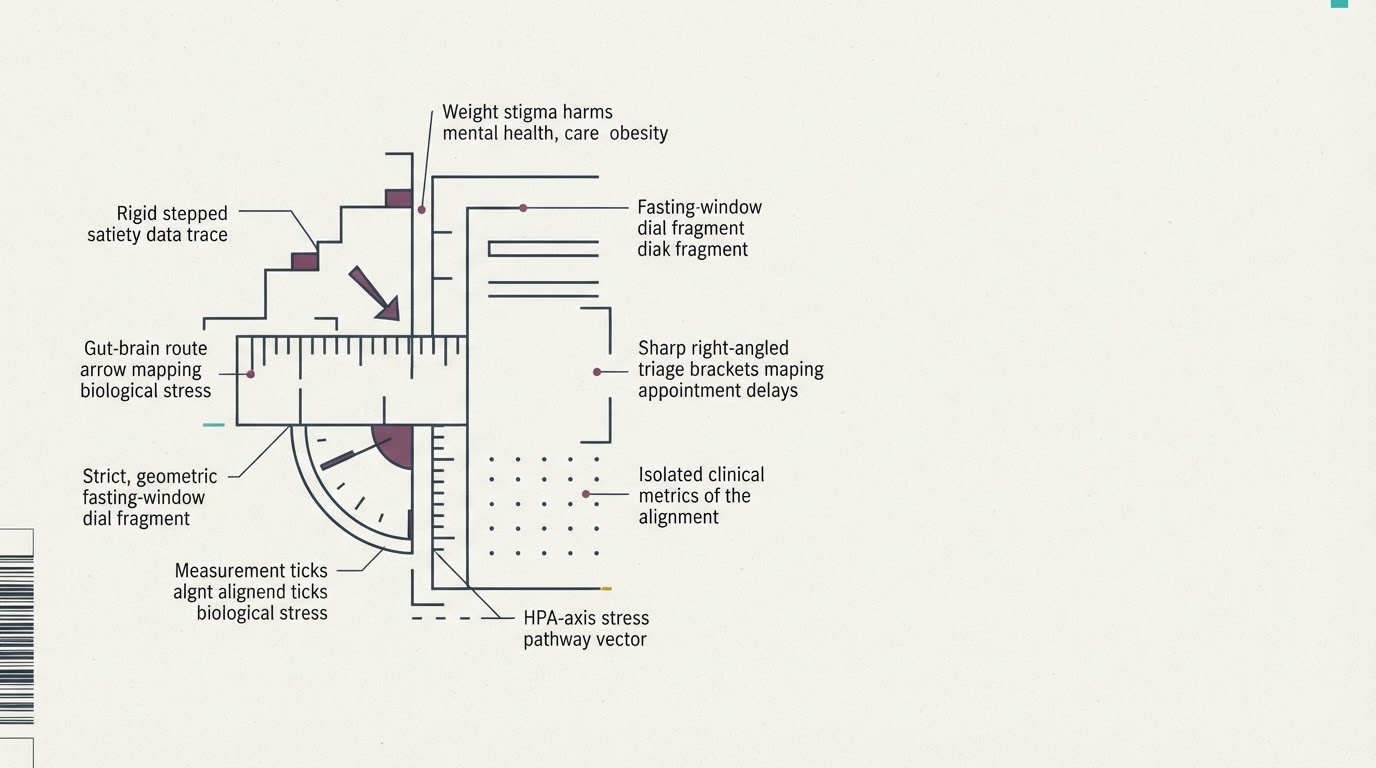
Here's the often-missed point: the shame and stigma around body weight are not just 'feelings'; they're a biological stressor that compromises care. When patients are met with judgment, their nervous system lights up, increasing cortisol and HPA axis activation—the exact opposite of what you want for metabolic health. This isn't just about 'being nice'; it's about recognizing that chronic stress from systemic bias literally changes body chemistry and adherence to medical advice. Any healthcare system that doesn't actively dismantle weight stigma isn't just failing its patients ethically, it's failing them medically. This isn't a soft problem; it's a hard physiological one, directly impacting treatment outcomes. We need to watch how policies shift to truly embed empathetic care, because the current approach is actively harming patient trust and health.