trend
Wakefit survey tracks how bedtime scrolling fuels the ambient sound boom
Wakefit's 2025 survey of over 4,500 Indian adults found that 84 percent check their phones right before bed, with half delaying sleep to keep scrolling. A companion study of 350 adults in Nagpur reported poor sleep in 49.4 percent of participants, tied directly to nocturnal screen habits and anxiety. Rather than sitting in quiet, millions are now running ten-hour rain loops to trick a wired nervous system into shutting down.
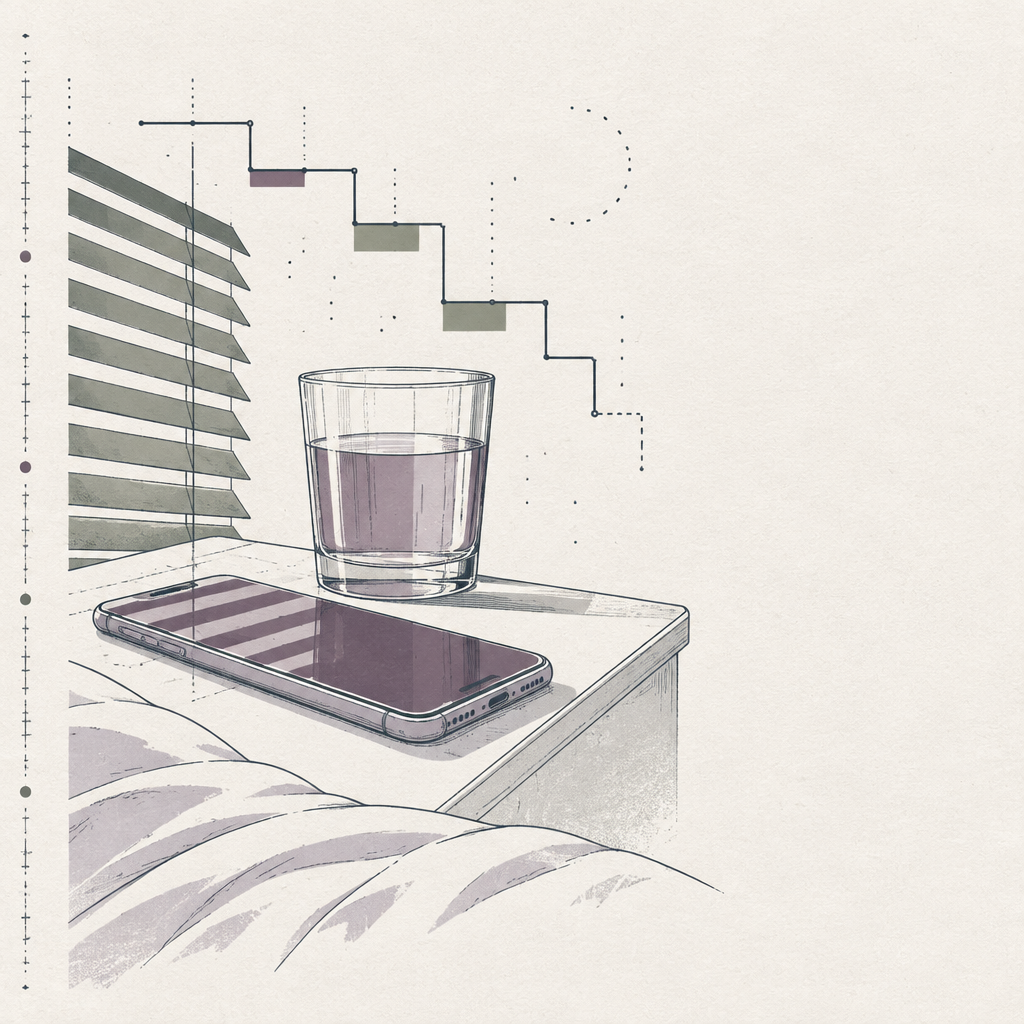
Wakefit's 2025 survey of over 4,500 Indian adults found that 84 percent check their phones right before bed, with half delaying sleep to keep scrolling. A companion study of 350 adults in Nagpur reported poor sleep in 49.4 percent of participants, tied directly to nocturnal screen habits and anxiety. Rather than sitting in quiet, millions are now running ten-hour rain loops to trick a wired nervous system into shutting down.
The architecture take
People think they play ten-hour rain tracks because rain is relaxing, but I think the real reason is simpler: silence has become terrifying. When you flood your eyes with short-form video for two hours, your dopamine pathways and sympathetic tone stay wide awake. Cutting the feed to absolute quiet drops you off a sensory cliff, leaving residual cortisol to echo in the dark. I tried sleeping in total quiet last month, and I spent forty minutes listening to my own pulse. Silence feels like sensory withdrawal. That low-grade panic explains why ambient audio clips pull billions of streams on YouTube. The sound acts as an acoustic pacifier for an overstimulated vagus nerve. You trade blue light for steady frequencies just to convince your amygdala that nothing is hunting you. I expect audio companies will start charging forty dollars a month for synthetic brown noise designed specifically to cushion that crash.