news
Vitiligo research moves past cosmetic, targets immune system
New editorial in The Lancet highlights how vitiligo, long dismissed as a cosmetic issue, is now understood as an immune-mediated condition. This deeper understanding of its pathophysiology — the immune-driven loss of melanocytes — is enabling targeted new therapies. It reframes the condition from a skin-deep flaw to a systemic immune response.
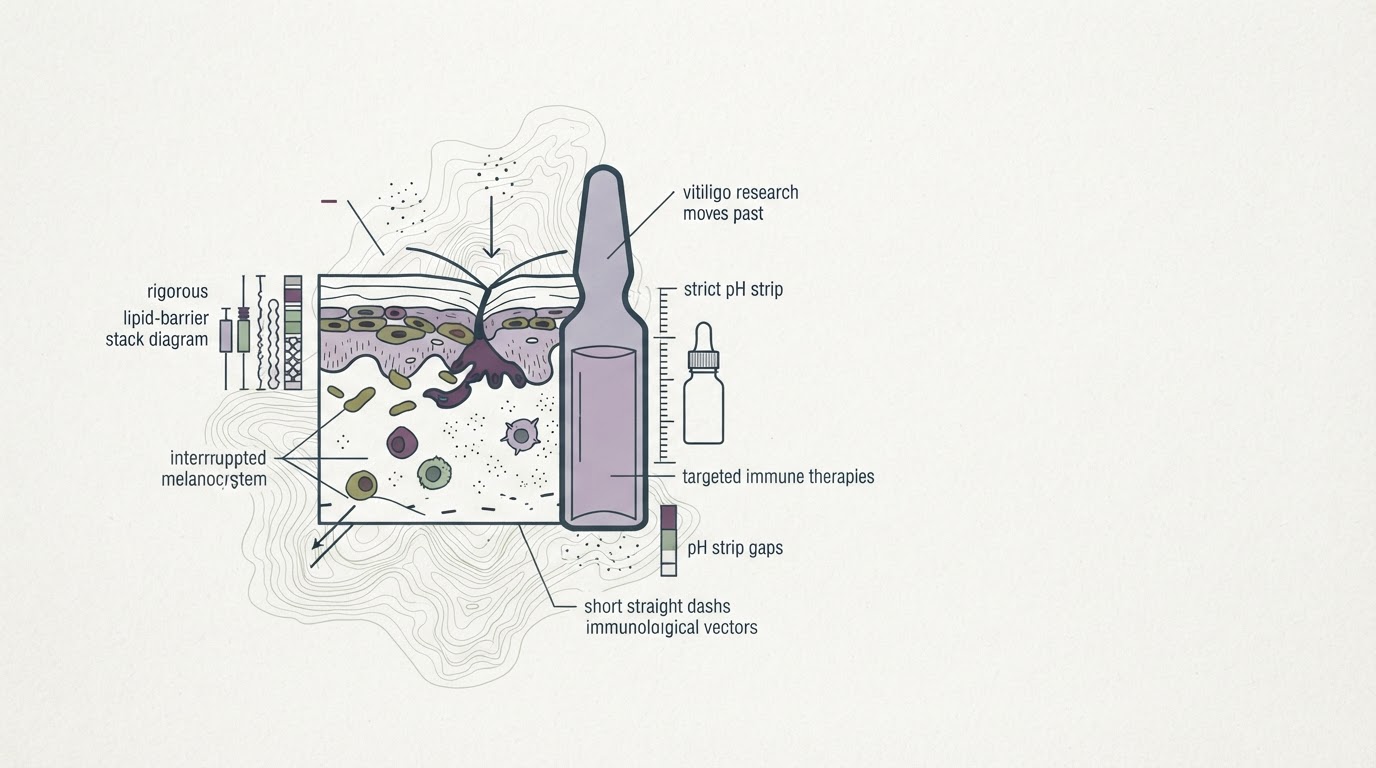
New editorial in The Lancet highlights how vitiligo, long dismissed as a cosmetic issue, is now understood as an immune-mediated condition. This deeper understanding of its pathophysiology — the immune-driven loss of melanocytes — is enabling targeted new therapies. It reframes the condition from a skin-deep flaw to a systemic immune response.
The architecture take
I used to think of vitiligo as just skin deep, a pigment problem. Turns out, that's like calling a fever just 'hot skin.' The Lancet points out that we're moving past the 'blemish' mindset and finally seeing it for what it is: an immune system that's turned on itself, specifically attacking the pigment-producing cells. This isn't just a win for appearance, it's a critical shift in how we understand skin conditions and the immune system. When research zeroes in on the actual mechanism, like the melanocytes getting wiped out by an immune response, it means the drugs that follow are finally going after the cause, not just the symptom. Watch for more targeted treatments coming that dial down that specific immune misfire. This is how you change a chronic condition, not with cover-up creams.