news
Understanding After-School Meltdowns as Nervous System Overload
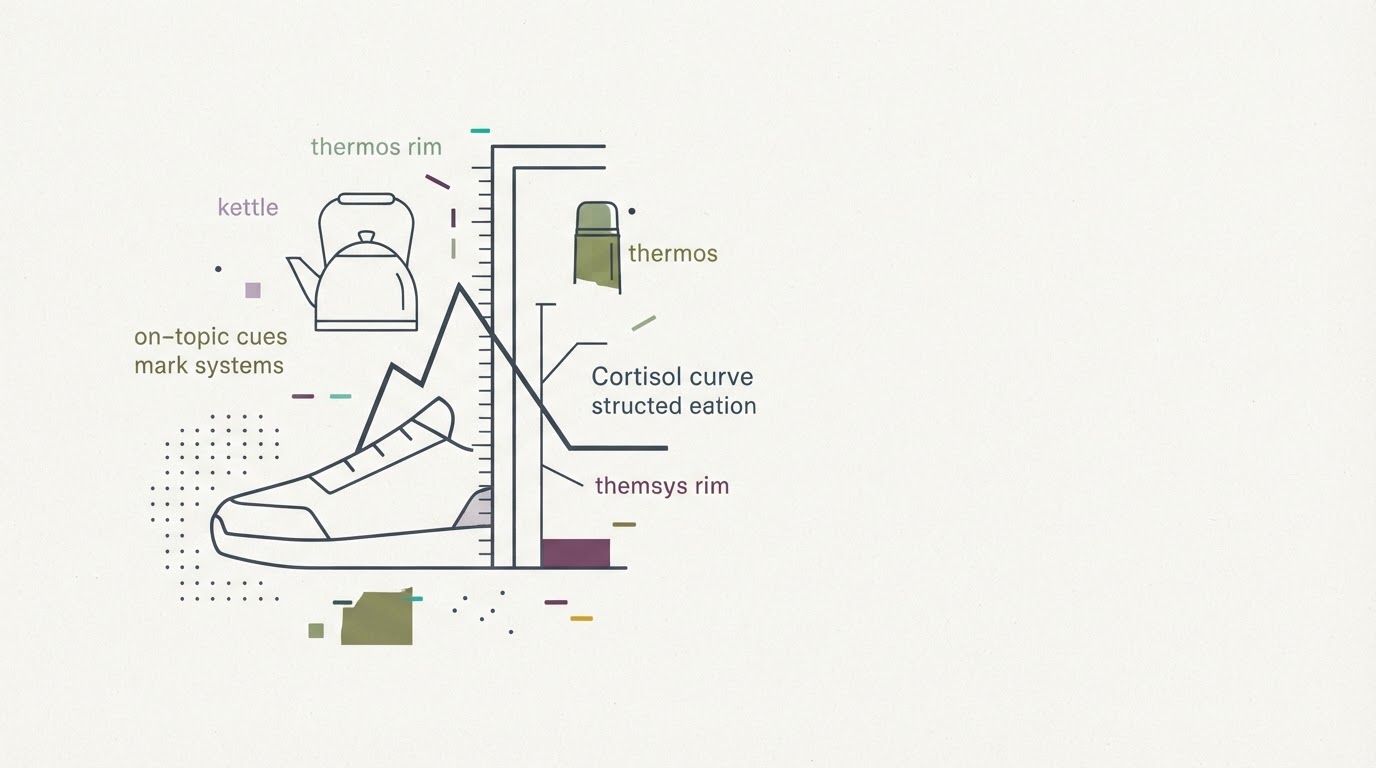
This Indian parenting article highlights that after-school meltdowns in children aren't just bad behavior, but often a sign of nervous system overload. It suggests parents offer a calm environment and emotional regulation tools, reframing outbursts as a child's brain trying to process a day of stimulation. The advice centers on recognizing when a child's capacity for input has been maxed out.
This Indian parenting article highlights that after-school meltdowns in children aren't just bad behavior, but often a sign of nervous system overload. It suggests parents offer a calm environment and emotional regulation tools, reframing outbursts as a child's brain trying to process a day of stimulation. The advice centers on recognizing when a child's capacity for input has been maxed out.
The architecture take
The whole 'after-school meltdown' thing isn't about kids being difficult. It's their nervous system hitting its limit after a day of being "on"—managing social cues, new information, sensory input. That's why you see a complete emotional unraveling once they hit a safe space. I see this all the time with adults, too, just with less screaming in the kitchen. For kids, it’s a clear signal their prefrontal cortex, which handles regulation, is tapped out, leaving their amygdala in charge. My takeaway: create a low-stimulus buffer for everyone coming home, kids included. A little quiet time, some deep breaths, maybe a hug that says 'I see you, this is safe' before asking about their day, can actually lower cortisol spikes. It's about respecting their internal state, not demanding immediate performance. We could all use that space.