news
South Africa reports 1.79M cases of childbirth mistreatment
A Bhekisisa survey found 1.79 million women in South Africa's KwaZulu-Natal and Gauteng provinces experienced mistreatment during childbirth in the last decade. This isn't just about pain; it's about the deep, lasting impact on a woman's nervous system and mental health, often going unacknowledged.
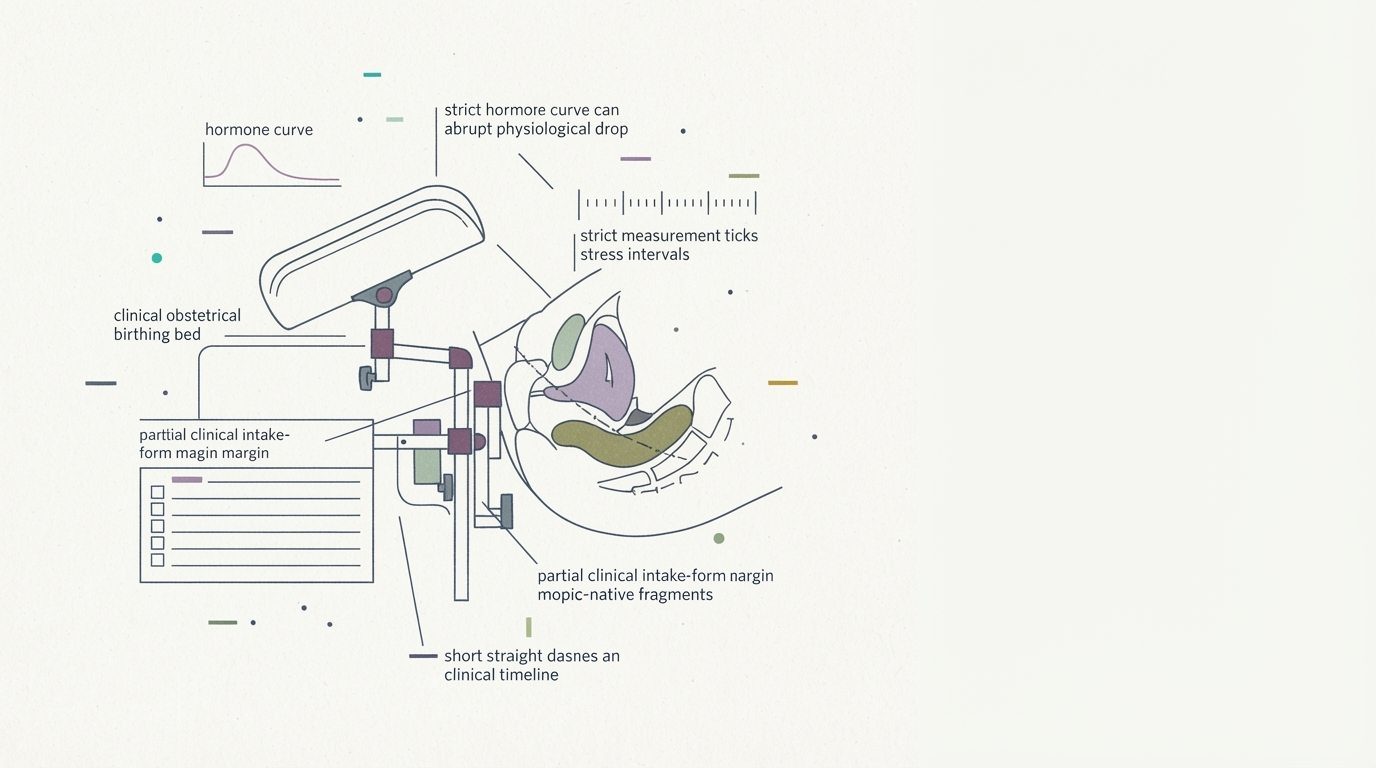
A Bhekisisa survey found 1.79 million women in South Africa's KwaZulu-Natal and Gauteng provinces experienced mistreatment during childbirth in the last decade. This isn't just about pain; it's about the deep, lasting impact on a woman's nervous system and mental health, often going unacknowledged.
The architecture take
You’d think the physical act of birth is hard enough, but for nearly 1.8 million women in just two South African provinces, the trauma of mistreatment during delivery is adding another layer. This isn't just a "bad experience"—it’s a direct hit to the nervous system, wiring in responses that can look like PTSD or chronic anxiety. When your body is in its most vulnerable state, the HPA axis goes into overdrive from fear and lack of agency. That kind of profound stress can echo for years, impacting bonding, future health choices, and how a woman feels about her own body. I heard a client talk about how her oxytocin response was basically shut down after a traumatic birth, changing everything about her postpartum. The numbers here are huge and hint at a global issue that we're mostly just ignoring because it happens behind closed doors, often to women without much power. Ignoring it means ignoring a massive public health crisis and all the downstream effects on families.