news
Smartphone access at age 12 raises eating disorder risk by 14
A national study of nearly 9,000 adolescents in JAMA Network Open found that owning a personal smartphone at age 12 significantly increased the likelihood of developing eating disorder symptoms two years later. Researchers tracked youth across the United States to assess how early device access shapes long-term psychological and physical health.
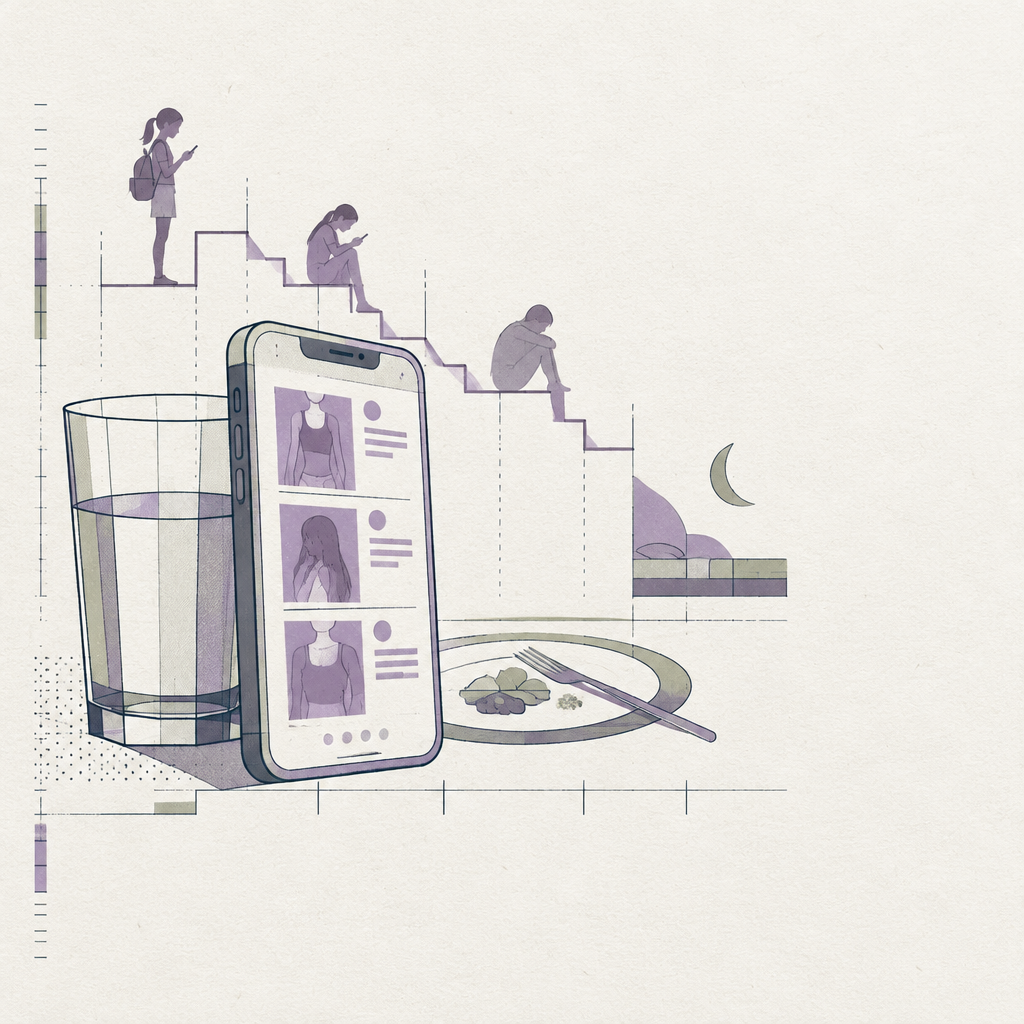
A national study of nearly 9,000 adolescents in JAMA Network Open found that owning a personal smartphone at age 12 significantly increased the likelihood of developing eating disorder symptoms two years later. Researchers tracked youth across the United States to assess how early device access shapes long-term psychological and physical health.
The architecture take
I used to think the hand-wringing over giving middle schoolers phones was just standard parental panic. I was wrong. When you hand a twelve-year-old an unmonitored portal into algorithm-driven social feeds, you flood a developing nervous system with round-the-clock comparative evaluation. Constant dopamine spikes from intermittent notifications keep the stress response running hot, while endless aesthetic reels distort the brain's baseline for physical safety and satiety cues. I watched my own niece vanish into her screen at dinner last Thanksgiving (barely registering what was on her plate). It happens fast. That chronic sensory overload disrupts appetite regulation and turns food into either a control valve or an emotional numbing agent. If 9,000 kids tracked over two years show clear clinical symptoms, this stops being a private parenting debate and becomes an environmental health hazard. Restricting personal screens until puberty settles down is simply practical defense.