news
Small stressors stack up to chronic inflammation
New research in Nature explains how tiny, repeated physical stressors, like low-level pollution or light shifts, don't just add up but actively degrade the body's protective systems. This means your nervous system is constantly on high alert, even when it feels like nothing big is happening. It's a clear mechanism for why everyday background noise can leave you feeling rundown.
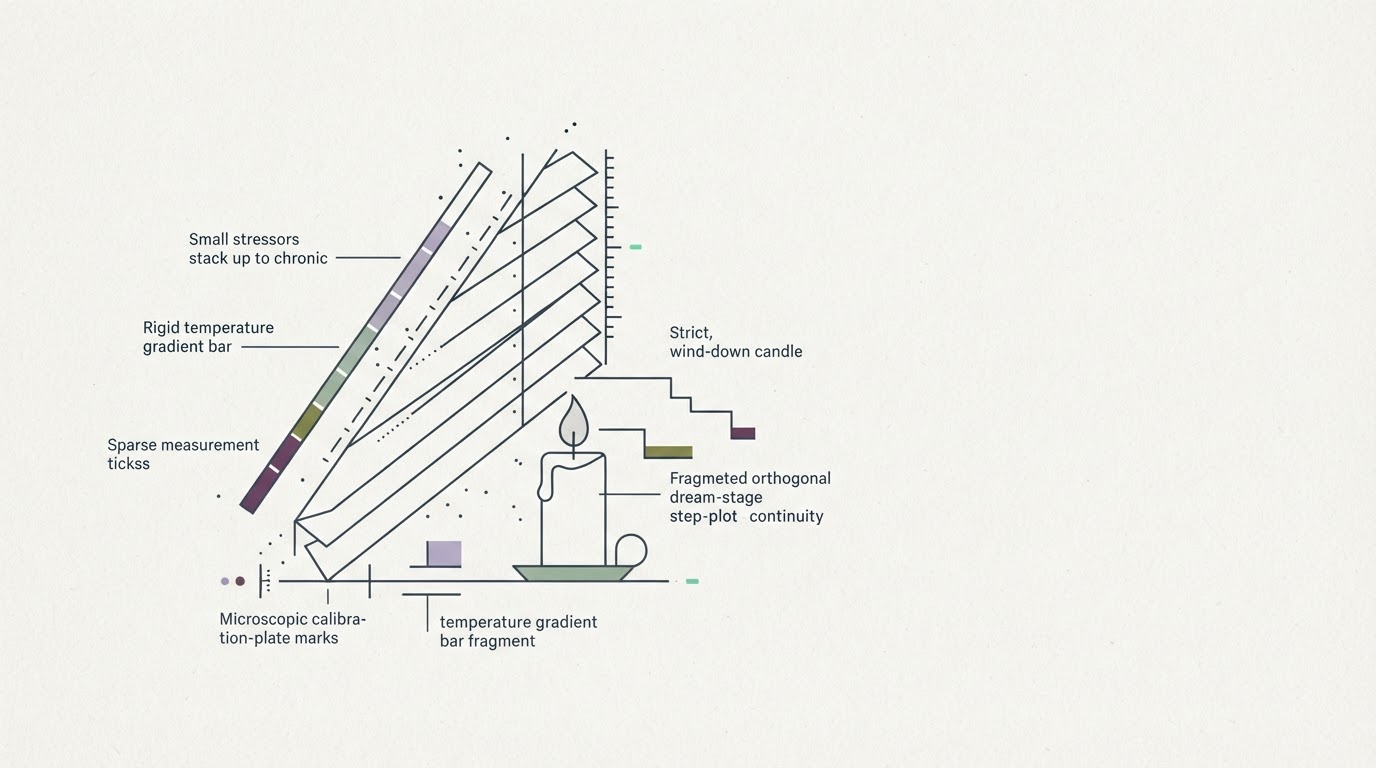
New research in Nature explains how tiny, repeated physical stressors, like low-level pollution or light shifts, don't just add up but actively degrade the body's protective systems. This means your nervous system is constantly on high alert, even when it feels like nothing big is happening. It's a clear mechanism for why everyday background noise can leave you feeling rundown.
The architecture take
You know that low hum of dread you can't quite pinpoint? This research might have the receipt. It's not just that one bad night's sleep or that one stressful email; it's the constant, low-level onslaught of things like microplastics, a flickering office light, or just being chronically underslept. The body's immune system gets stuck in a cycle of low-grade, chronic inflammation trying to fend off all these little attacks. When those tiny hits just keep coming, the systems meant to protect you—think your skin barrier, gut lining, or even your blood-brain barrier—start to break down. That's how a thousand paper cuts become a bigger problem. Your nervous system is constantly 'on,' draining your capacity. It makes you realize how much invisible labor your body is doing every single day just to keep things together.