news
Singapore's food security plan bets against gut and soil health
Singapore is securing its water supply but struggling with food, prioritizing efficiency over self-sufficiency in its food strategy. This approach focuses on importing most food and growing specialty items indoors, but it overlooks the gut microbiome's connection to diverse, locally grown produce. The essay draws lessons for national policy on feeding its population.
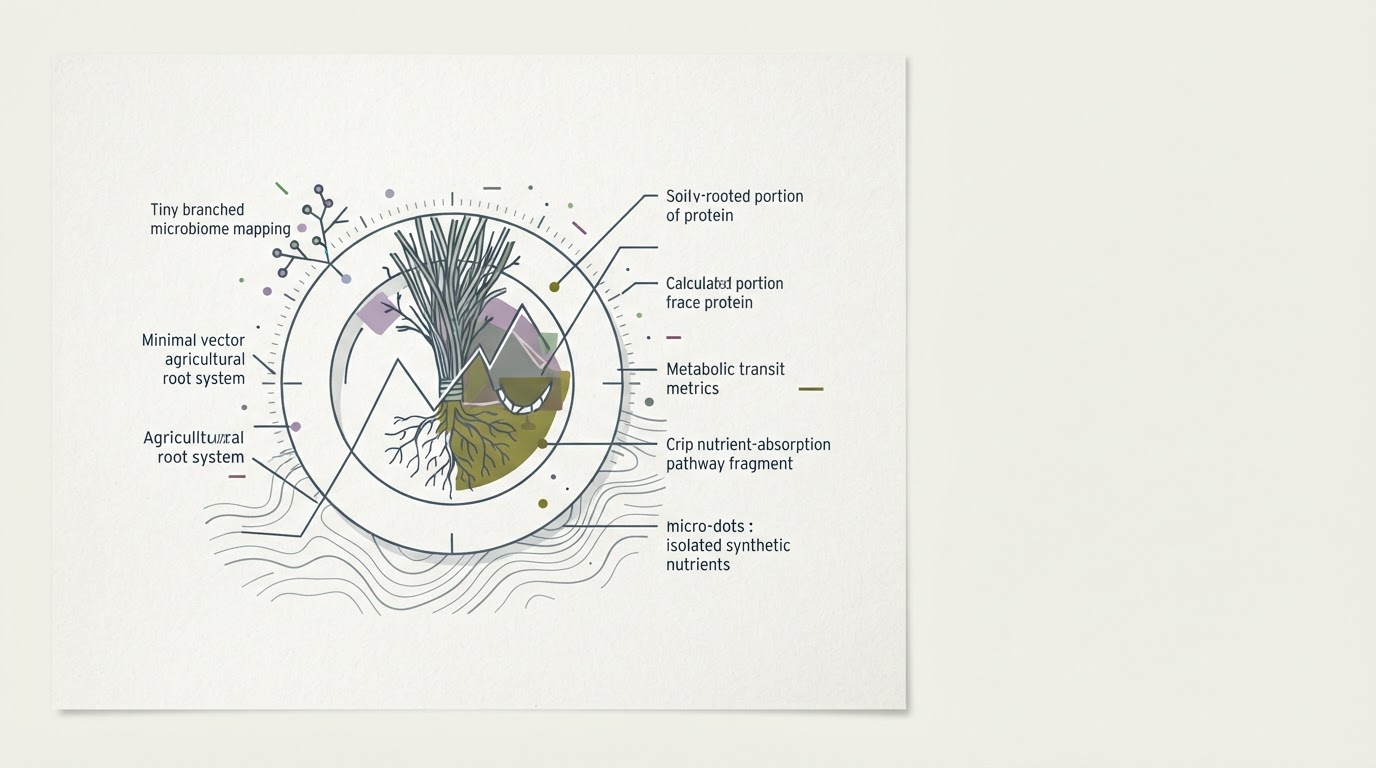
Singapore is securing its water supply but struggling with food, prioritizing efficiency over self-sufficiency in its food strategy. This approach focuses on importing most food and growing specialty items indoors, but it overlooks the gut microbiome's connection to diverse, locally grown produce. The essay draws lessons for national policy on feeding its population.
The architecture take
The Singapore model for food security is a stark reminder of where a country puts its nervous system. By prioritizing imported, processed food for the masses and high-tech indoor farms for niche items, they're making a calculated bet against traditional agriculture and, frankly, gut health. Your microbiome thrives on diversity — the kind that comes from soil-rich, locally sourced produce, not just sterile indoor greens or logistics-chain staples. I get the island nation constraints, but leaning so heavily into global supply chains means you're trusting other countries' policies and environmental changes with your population's metabolic baseline. It's a high-wire act, trading resilience for optimized delivery. I'm watching to see how this plays out for Singaporeans' long-term health markers, not just their caloric intake. There's a nervous system cost to every efficiency play, and I think we're going to see it in the data eventually.