news
Semaglutide extends lifespan in elderly mice
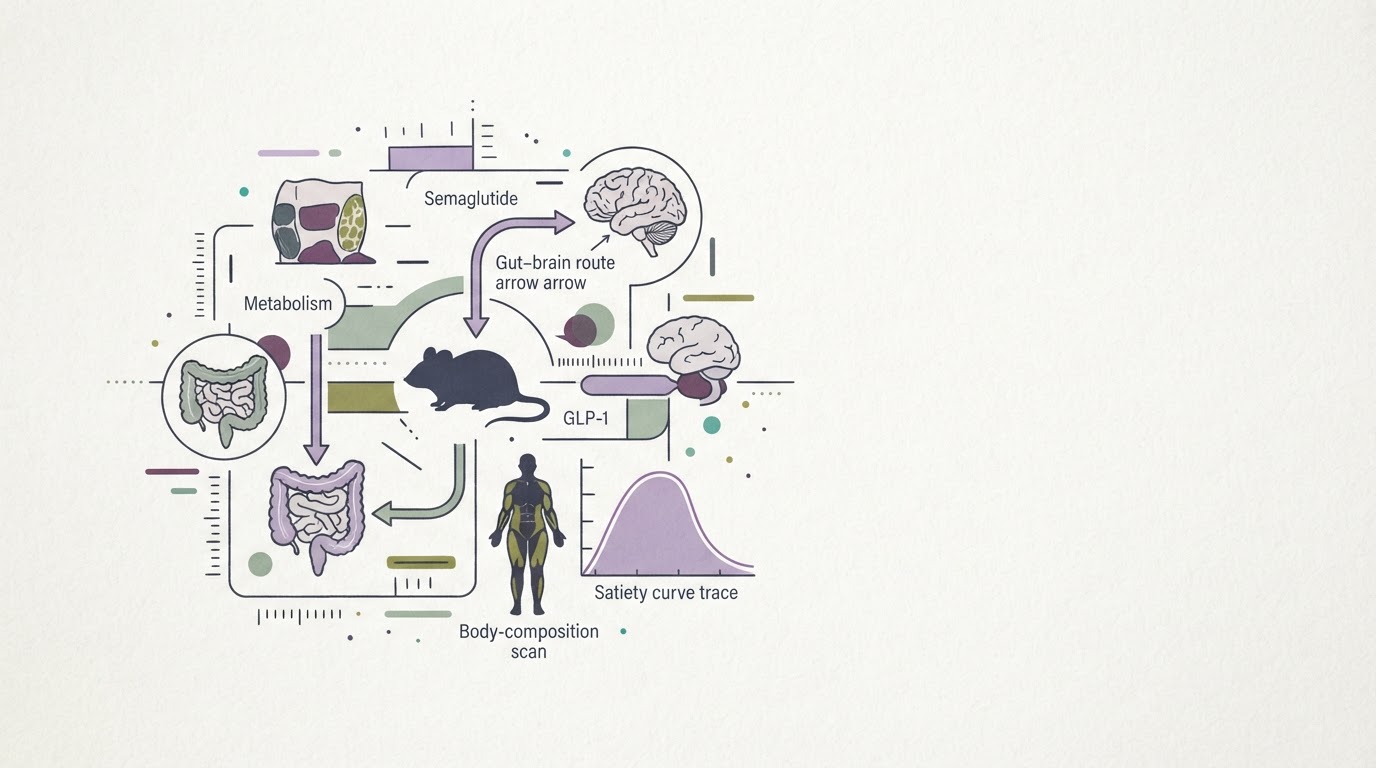
New research in *El Médico Interactivo* suggests semaglutide improved physiological functions and increased survival in older mice. The effect goes beyond just calorie restriction, pointing to a potential anti-aging mechanism. This study adds to the growing body of evidence for GLP-1 drugs having broader systemic impacts.
New research in El Médico Interactivo suggests semaglutide improved physiological functions and increased survival in older mice. The effect goes beyond just calorie restriction, pointing to a potential anti-aging mechanism. This study adds to the growing body of evidence for GLP-1 drugs having broader systemic impacts.
The architecture take
So, semaglutide might be doing more than just helping you eat less. This study on elderly mice, though not yet peer-reviewed and just a snippet of a Spanish journal, hints at something bigger: improved physiological function and longer lives, distinct from simple caloric restriction. It suggests GLP-1 agonists could be directly tweaking metabolic pathways related to aging, not just weight loss. I mean, my brain jumps to: what if these drugs don't just optimize energy balance, but also cellular resilience? We're still in mouse-model territory here, but the idea that a drug already approved for human use could have direct anti-aging effects is a huge unlock for longevity research. It pushes us past the 'diet and exercise only' narrative for slowing cellular decline. I'm watching for the actual published paper, but for now, it's another reason to keep an eye on how these compounds interact with fundamental body systems.