trend
Researchers Test GLP-1 Drugs to Quiet Dopamine Cravings in Addiction
Clinical researchers are testing semaglutide across more than a dozen trials for alcohol, nicotine, and opioid use disorders. Early cohort data tracking over 500,000 patients linked GLP-1 agonists to a roughly 50% drop in substance use relapses. The focus is shifting from gastric emptying to how these peptides quiet dopamine firing in the brain.
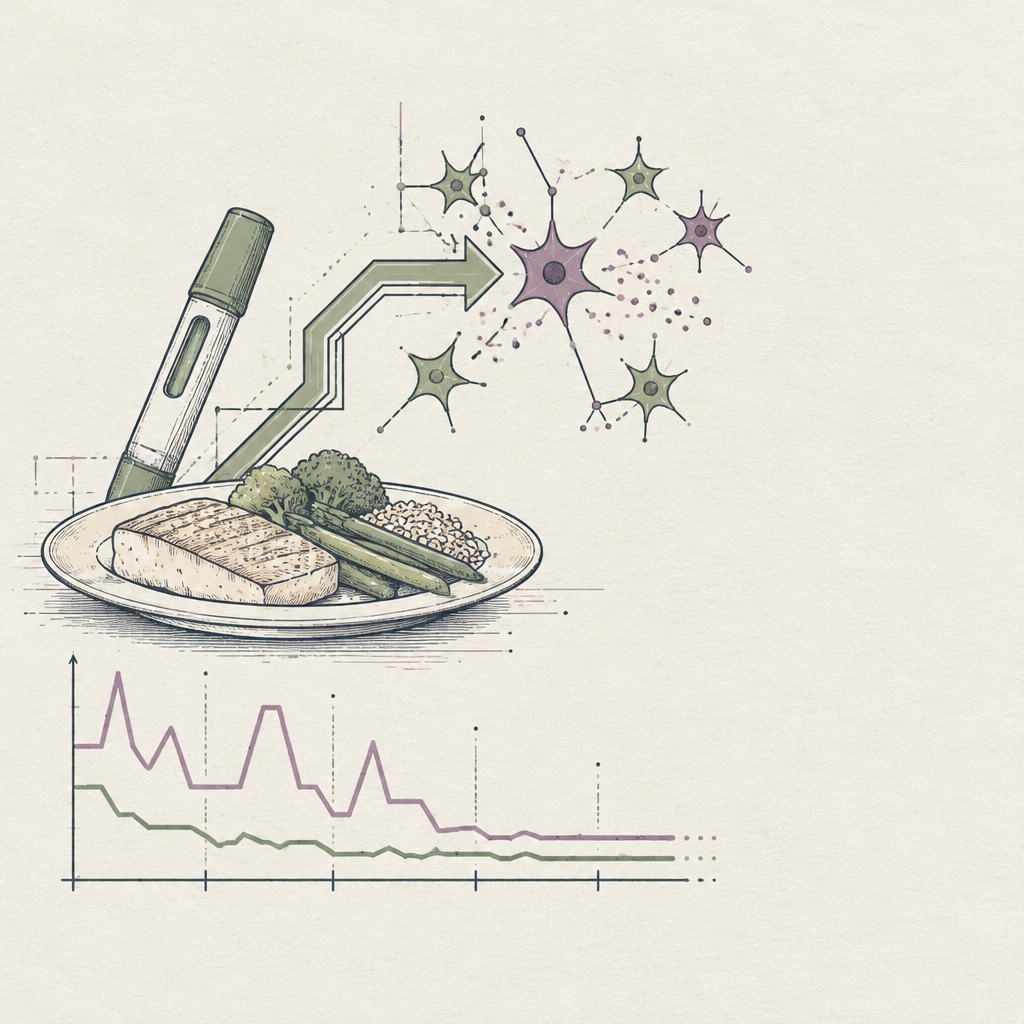
Clinical researchers are testing semaglutide across more than a dozen trials for alcohol, nicotine, and opioid use disorders. Early cohort data tracking over 500,000 patients linked GLP-1 agonists to a roughly 50% drop in substance use relapses. The focus is shifting from gastric emptying to how these peptides quiet dopamine firing in the brain.
The architecture take
I spent two years assuming GLP-1 agonists were strictly gut drugs that slowed down your stomach. I was wrong. The real action happens in the ventral tegmental area, where these peptides blunt the sharp dopamine spikes that drive compulsive loops. When a patient takes semaglutide, the brain simply stops screaming for the next reward signal, whether that cue is sugar or a third cocktail. (My evening espresso habit suddenly feels suspiciously loud by comparison.) The mesolimbic pathway dials back toward baseline instead of forcing someone to white-knuckle every urge through grit alone. I watch the addiction treatment sector closely, and this shift rattles traditional rehabilitation clinics whose entire business relies on sixty-day residential stays. If a weekly injection quietens craving at the receptor level, care moves out of the luxury retreat circuit and into primary care. I expect insurance pushback first, followed by a quiet rewrite of clinical addiction protocols by late autumn.