news
RED-S Impacts Bone Density in Athletes, Not Just Load
New research in *Sports Medicine* confirms that Relative Energy Deficiency in Sport (RED-S) significantly impacts bone mineral density in athletes, even when accounting for sport-specific impact loading. This correction emphasizes that energy availability, not just mechanical stress, is critical for skeletal health. The finding comes from a re-analysis by lead author Emily Cooper from the University of Colorado Boulder.
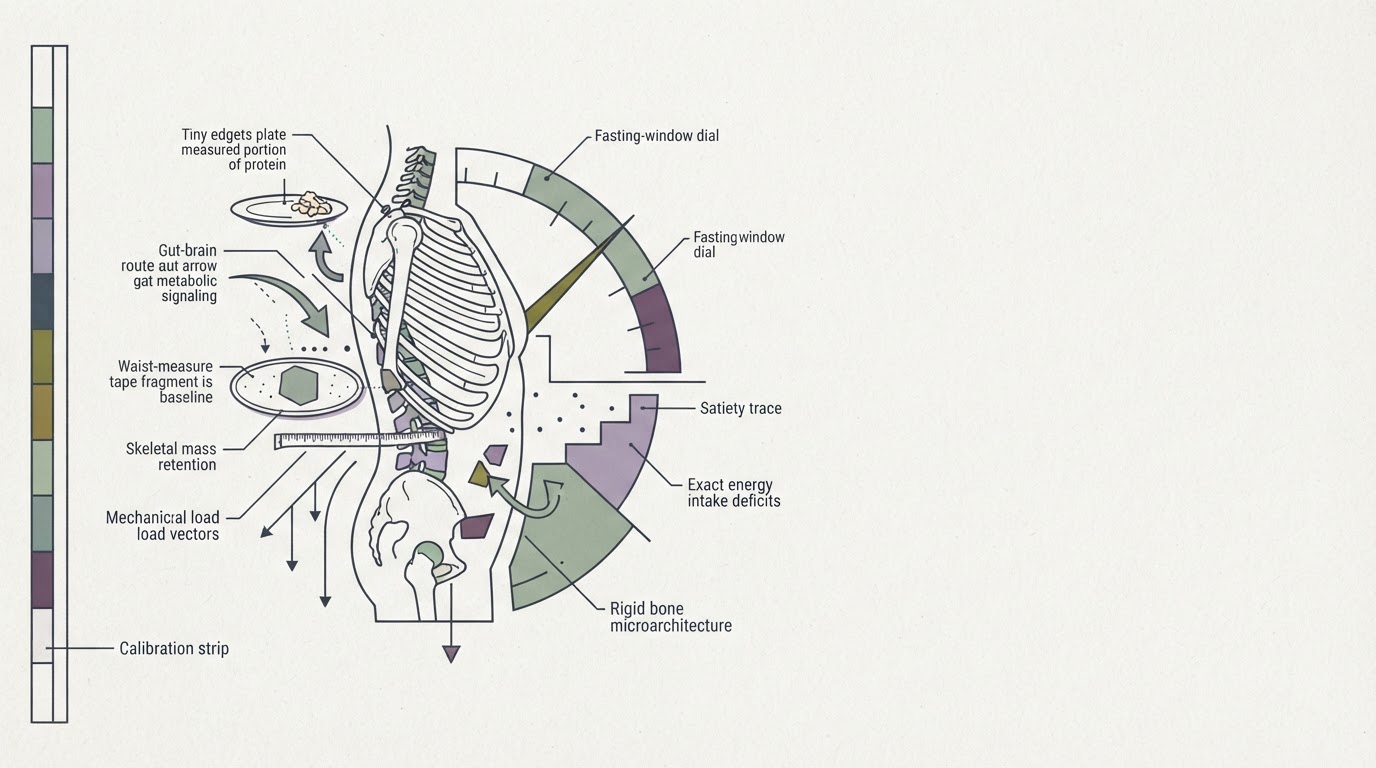
New research in Sports Medicine confirms that Relative Energy Deficiency in Sport (RED-S) significantly impacts bone mineral density in athletes, even when accounting for sport-specific impact loading. This correction emphasizes that energy availability, not just mechanical stress, is critical for skeletal health. The finding comes from a re-analysis by lead author Emily Cooper from the University of Colorado Boulder.
The architecture take
I used to think bone density was mostly about how much impact you put through your body. Lift heavy, run hard, get strong bones. This correction? It’s a gut check. Turns out, even if you’re hitting all the right impact notes in your training, if you’re chronically under-fueled, your bones are still going to suffer. Emily Cooper’s team basically said: yes, impact matters, but no, it can’t fully override the systemic damage from RED-S. This means your body isn't just a machine that adapts to external load; it's a metabolic system that needs fuel to build and maintain. That's a huge deal for athletes and anyone chasing longevity. It tells me that dialing in enough energy, consistently, is a non-negotiable for skeletal health. It’s not just about performance, it's about not breaking later.