news
Quantum Computing Aims to Speed Peptide Drug Discovery
Scientists at Wired are using AI and quantum computing to discover new peptides, specifically targeting underserved populations and rare diseases. This tech could dramatically cut down the time and cost of drug development. The aim is to create new therapeutic compounds with higher precision and efficiency.
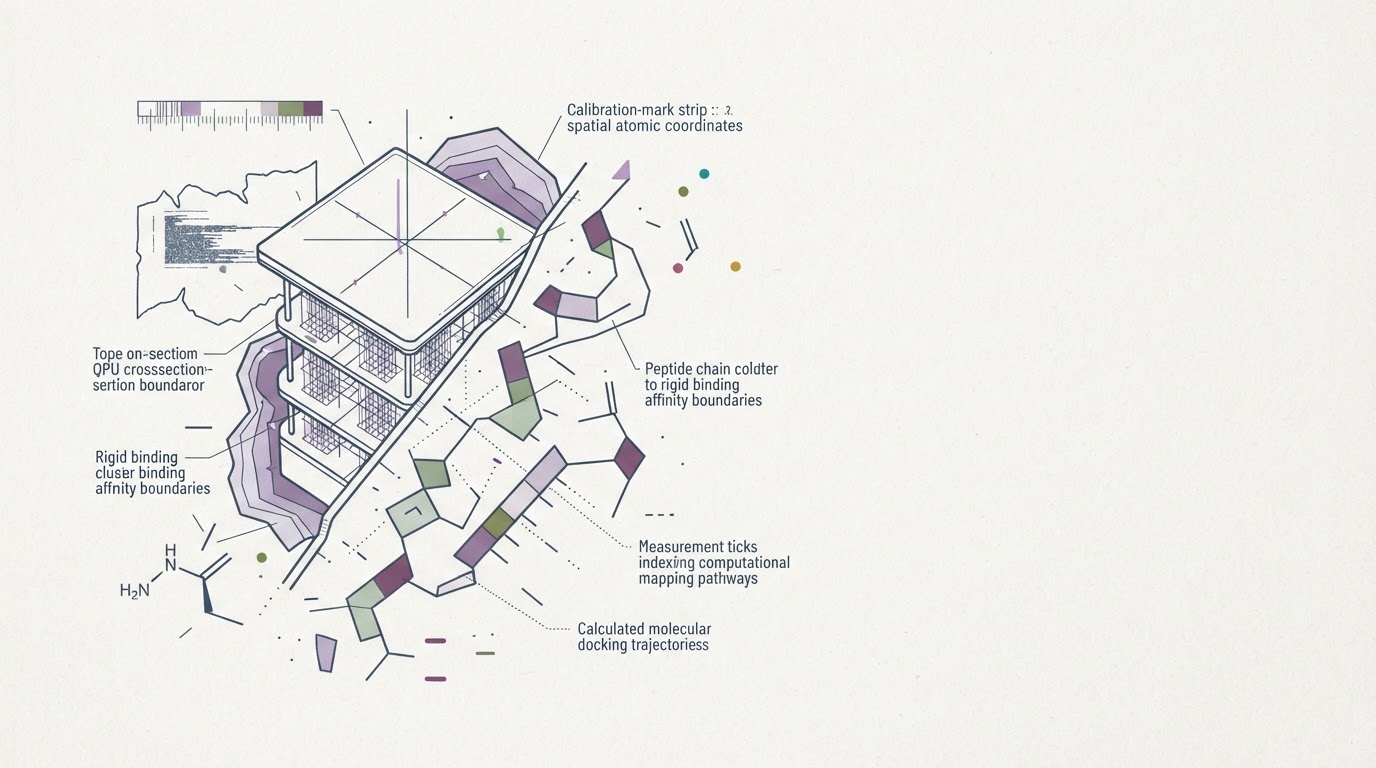
Scientists at Wired are using AI and quantum computing to discover new peptides, specifically targeting underserved populations and rare diseases. This tech could dramatically cut down the time and cost of drug development. The aim is to create new therapeutic compounds with higher precision and efficiency.
The architecture take
Okay, so quantum computing and AI trying to play matchmaker for peptides? It's less 'new drug for X' and more 'new way to find drugs for X.' What this really means is a potential shortcut around the insane R&D costs and timelines that keep new treatments for rare diseases in perpetual limbo. Think of it like this: instead of painstakingly trying every combination of Legos to build a specific castle, AI and quantum computing tell you the exact pieces and order to use. For your body, it might not mean a peptide today, but it signals how much faster we might get them tomorrow – especially for things that don't get big pharma budgets. Watch for smaller, agile biotechs to leverage this first, potentially bringing therapies to market for conditions previously deemed too niche or unprofitable.