news
Older adults overuse meds: benzos, antibiotics, aspirin risk health
Many older adults are still taking benzodiazepines, antibiotics, and daily aspirin without clear need, according to a KFF Health News report. These drugs carry increased risks, including cognitive decline, gut dysbiosis, and bleeding, often outweighing benefits in later life. It's a reminder to question long-term prescriptions with your doctor.
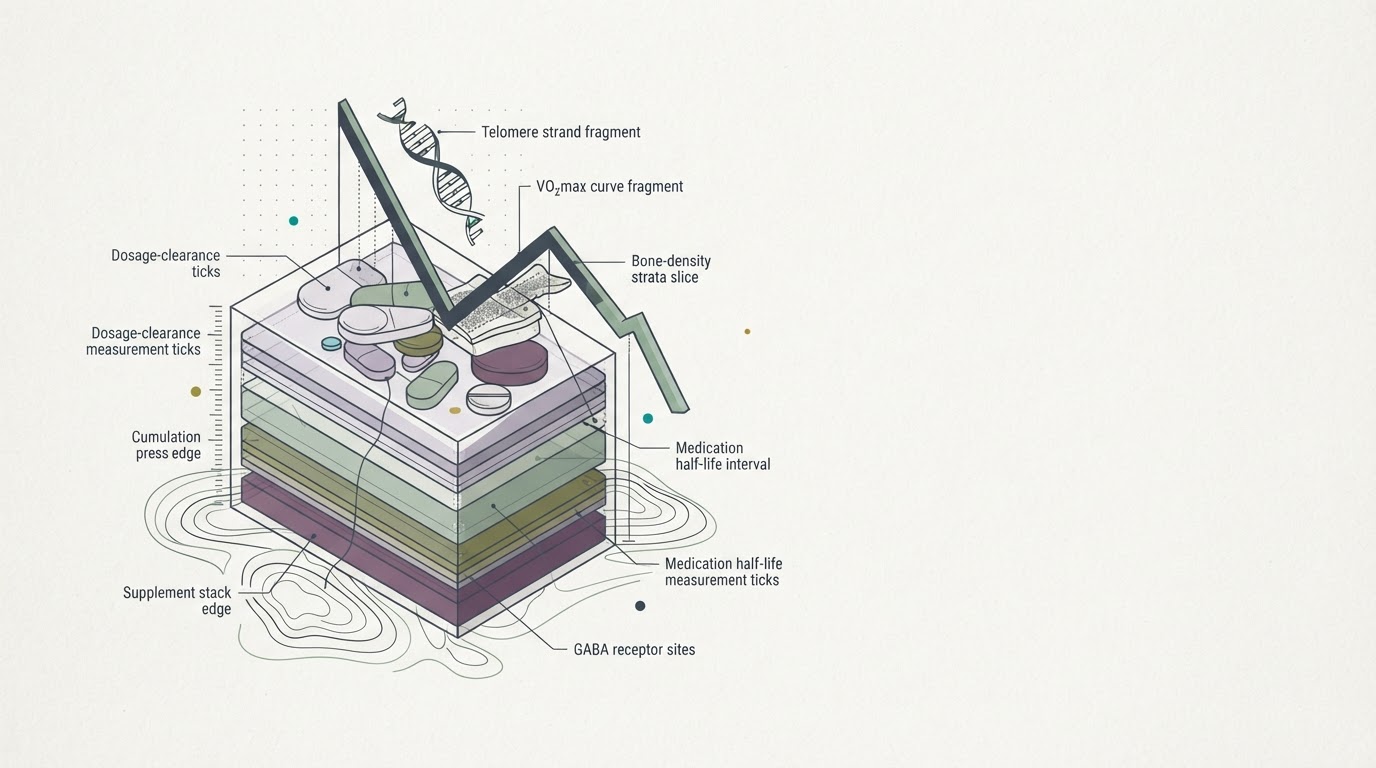
Many older adults are still taking benzodiazepines, antibiotics, and daily aspirin without clear need, according to a KFF Health News report. These drugs carry increased risks, including cognitive decline, gut dysbiosis, and bleeding, often outweighing benefits in later life. It's a reminder to question long-term prescriptions with your doctor.
The architecture take
I read this and immediately thought about the inertia of prescriptions. Doctors prescribe, patients take them, and then often no one really checks if the need or the risk-benefit equation has changed. Benzodiazepines, for example, can mess with GABA receptors and increase fall risk, which is a huge deal for aging nervous systems. Antibiotics, we know, nuke your gut microbiome, opening the door for chronic inflammation and other issues. And daily aspirin, once a universal preventative, is now largely out for primary prevention without specific cardiac risk. This isn't about shaming older people, it's about pushing for regular medication audits with your doctor. Most people just keep refilling. They assume if they're on it, they need it. But your body changes, your risks change, and what was once helpful can become a liability.