news
Nobel Prize in Chemistry for Asymmetric Organic Synthesis
This year's Nobel Prize in Chemistry went to Henri Kagan and Kenso Soai for their work on non-linear effects and autocatalysis in asymmetric organic synthesis. Their discoveries are fundamental for creating new pharmaceutical molecules with specific properties. This impacts how effectively drugs interact with the body's systems.
This year's Nobel Prize in Chemistry went to Henri Kagan and Kenso Soai for their work on non-linear effects and autocatalysis in asymmetric organic synthesis. Their discoveries are fundamental for creating new pharmaceutical molecules with specific properties. This impacts how effectively drugs interact with the body's systems.
The architecture take
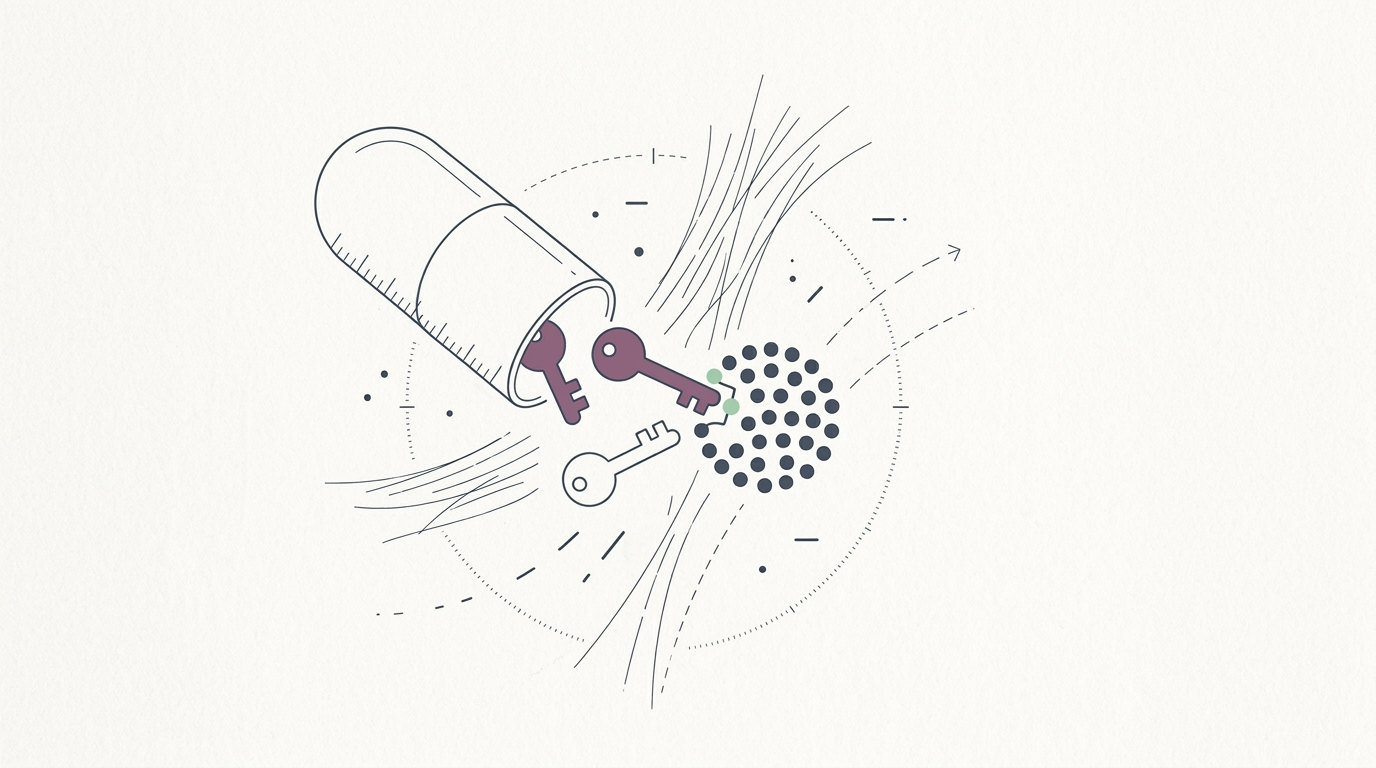
So, the Nobel Committee just shouted out some seriously complex chemistry that most of us glazed over in high school. But here's why it matters: asymmetric organic synthesis is the art of building drug molecules that only fit one way into your body's lock-and-key systems. Think about how a left-handed glove won't fit a right hand – many biological receptors work like that, too, only responding to one 'handedness' of a molecule. When you can precisely control that chirality, you get drugs that are more potent, have fewer side effects, and are generally safer. This isn't about a new pill, it's about the fundamental science that makes better pills possible, impacting everything from psychiatric medications to hormone therapies. It reminds me that sometimes the biggest leaps in wellness start with understanding the tiniest structures. My gut tells me this will quietly fuel a lot of pharmaceutical advancements we'll see in the next decade.