news
New synthetic antivenom protects mice from lethal snakebite
Scientists developed a new synthetic antivenom that showed promising results in mice, protecting them from lethal doses of snake venom. This method could replace the century-old reliance on horse-derived antivenom, offering a more stable and cost-effective solution for a problem that kills tens of thousands globally each year. It’s a big step toward making a critical medicine more accessible and effective.
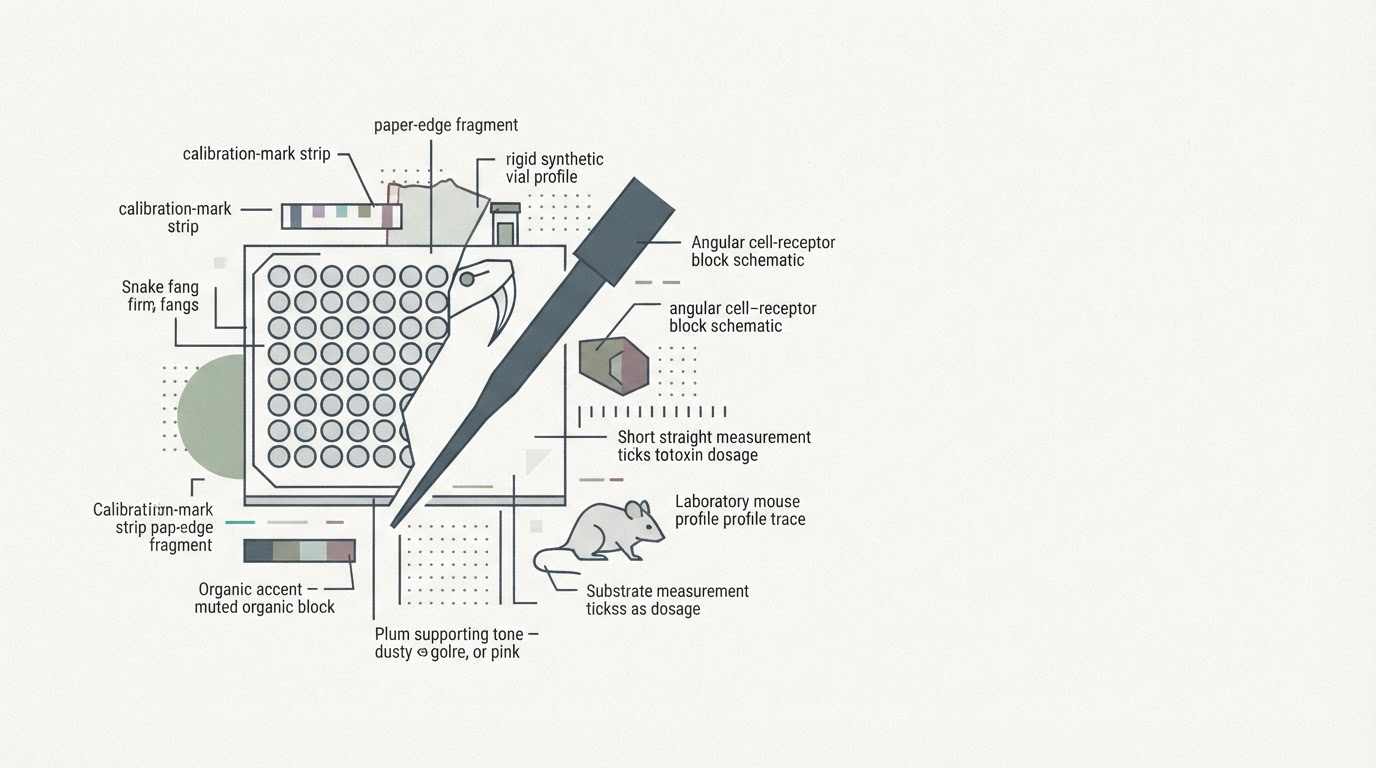
Scientists developed a new synthetic antivenom that showed promising results in mice, protecting them from lethal doses of snake venom. This method could replace the century-old reliance on horse-derived antivenom, offering a more stable and cost-effective solution for a problem that kills tens of thousands globally each year. It’s a big step toward making a critical medicine more accessible and effective.
The architecture take
The old way of making antivenom, using horses, has been around for over 100 years. This new synthetic method for snakebite treatment changes the game because it means we could get away from reliance on animal farming and its inherent variability. The immediate mechanism here is pretty direct: stopping neurotoxins and cytotoxins from scrambling your nervous system or shutting down organs. But the bigger play is about scaling access globally, especially for tropical regions where snakebites are a huge public health issue. I always think about how many deaths could be prevented if essential medicines were easier to produce and distribute. This isn't just about mice; it's about a future where a life-saving treatment is less dependent on logistics and more on smart chemistry. That's a huge win for global health equity.