news
New study explains how brains adapt to learn reading
Researchers at Radboud University and University Medical Centre Utrecht studied 150 adults and children to map the brain's reading network. They found that learning to read piggybacks on existing visual and language pathways, changing their structure to create new connections. This explains why some people struggle more with reading and how reading ability shapes brain function over time.
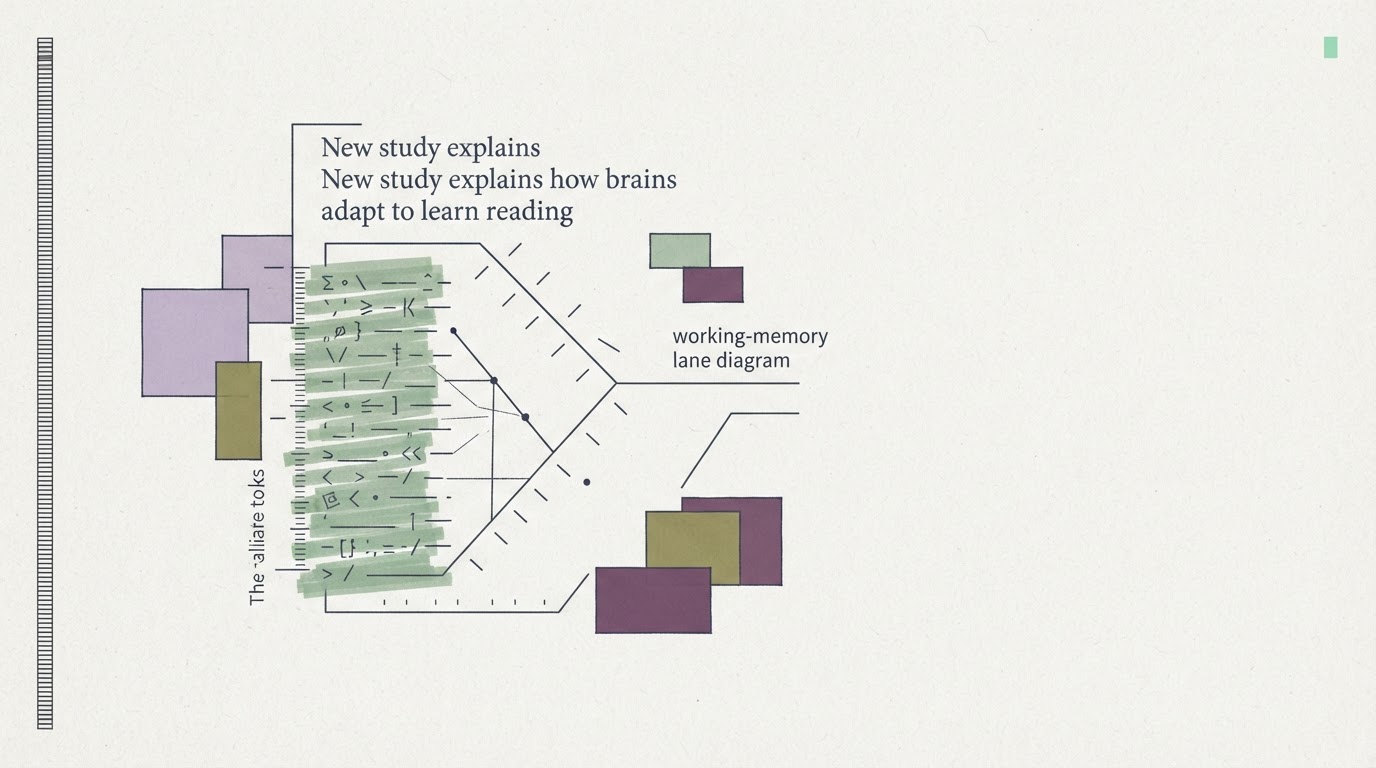
Researchers at Radboud University and University Medical Centre Utrecht studied 150 adults and children to map the brain's reading network. They found that learning to read piggybacks on existing visual and language pathways, changing their structure to create new connections. This explains why some people struggle more with reading and how reading ability shapes brain function over time.
The architecture take
So, your brain wasn't built for reading, but it got really good at it anyway. That’s because the neural circuitry for reading isn't some unique, dedicated pathway. It’s a hack. Your visual cortex, which is good at recognizing objects and patterns, gets repurposed. And your language centers, which handle spoken words, learn to connect those visual patterns to sounds and meaning. The researchers observed this adaptation in 150 brains. It's a neat trick your brain pulls, a testament to its plasticity. This isn't just about reading speed; it's about how that constant engagement actually reshapes your gray matter over a lifetime. It reminds me that every skill, every habit, leaves a physical mark. Pay attention to what you're training it to do, even if it feels small. My own screen-time habit, for instance, probably looks like a superhighway in there.