news
New scleroderma treatments target underlying disease mechanisms
Spain reports one of Europe's highest scleroderma prevalences, affecting an estimated 1 in 5,000 people. The medical community is excited about new antifibrotic therapies and CAR-T cell treatments. These approaches are opening up new ways to tackle the disease's underlying causes, moving beyond just managing symptoms.
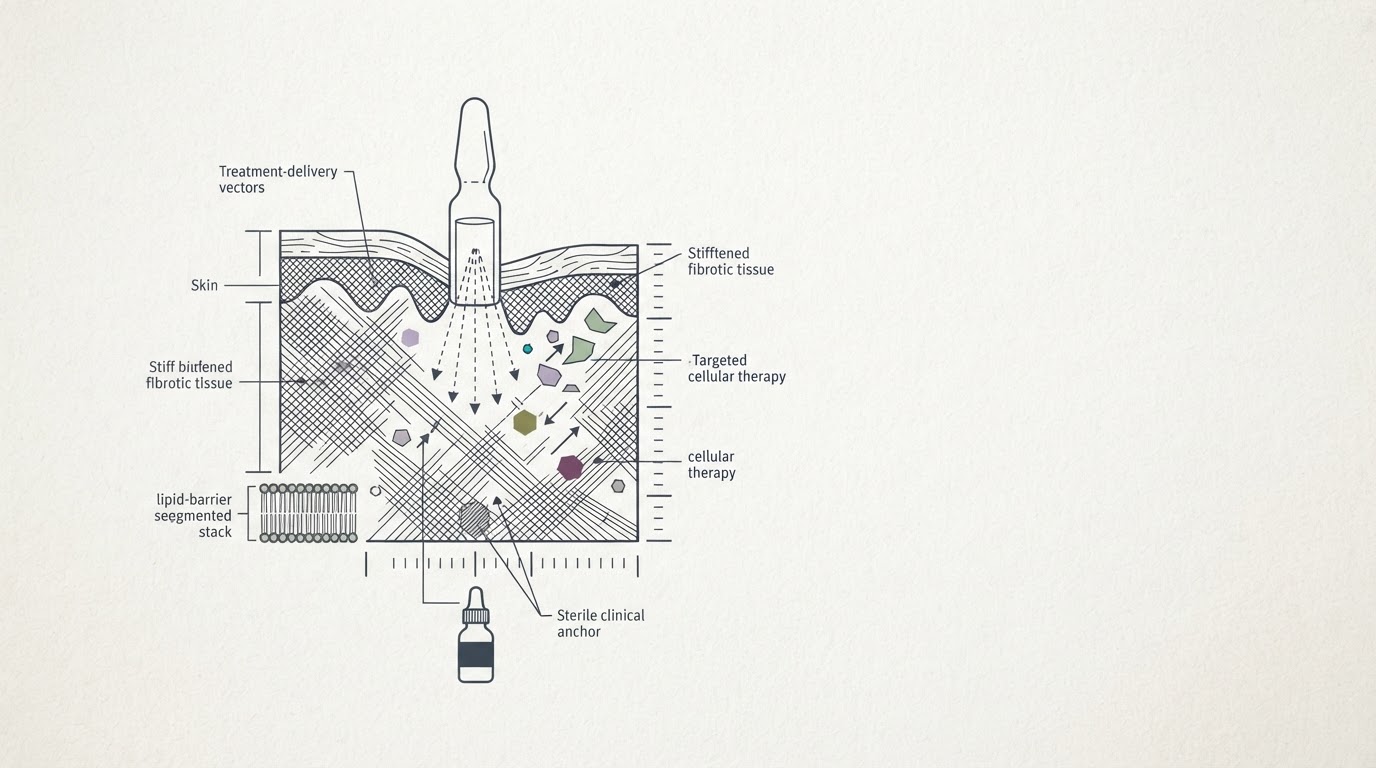
Spain reports one of Europe's highest scleroderma prevalences, affecting an estimated 1 in 5,000 people. The medical community is excited about new antifibrotic therapies and CAR-T cell treatments. These approaches are opening up new ways to tackle the disease's underlying causes, moving beyond just managing symptoms.
The architecture take
This isn't just about a rare disease; it's a window into how medical science is finally moving past treating symptoms. Scleroderma, where the body's connective tissue gets all stiff and hard, has been a brutal diagnosis for ages. It affects the skin, sure, but also organs like the lungs and gut, basically anything that relies on healthy collagen and a pliable nervous system. The new therapies like antifibrotics and CAR-T aren't just pain relievers; they're designed to stop the fibrosis — that overgrowth of tough, fibrous tissue — at its source. For people dealing with chronic inflammation and systemic stiffness, this could mean a real shift in their baseline state, not just another prescription to manage the fallout. Watch how these targeted therapies influence other autoimmune conditions too; the mechanism could apply broadly.