news
New MRI tech targets muscle recovery beyond just anatomy
Medical imaging is moving past simple anatomical scans for musculoskeletal issues, according to a report in El Médico Interactivo. New MRI techniques are providing functional and quantitative data, showing not just what's broken but how it's actually working (or not). This means better insights for recovery, especially for athletes and those dealing with chronic pain.
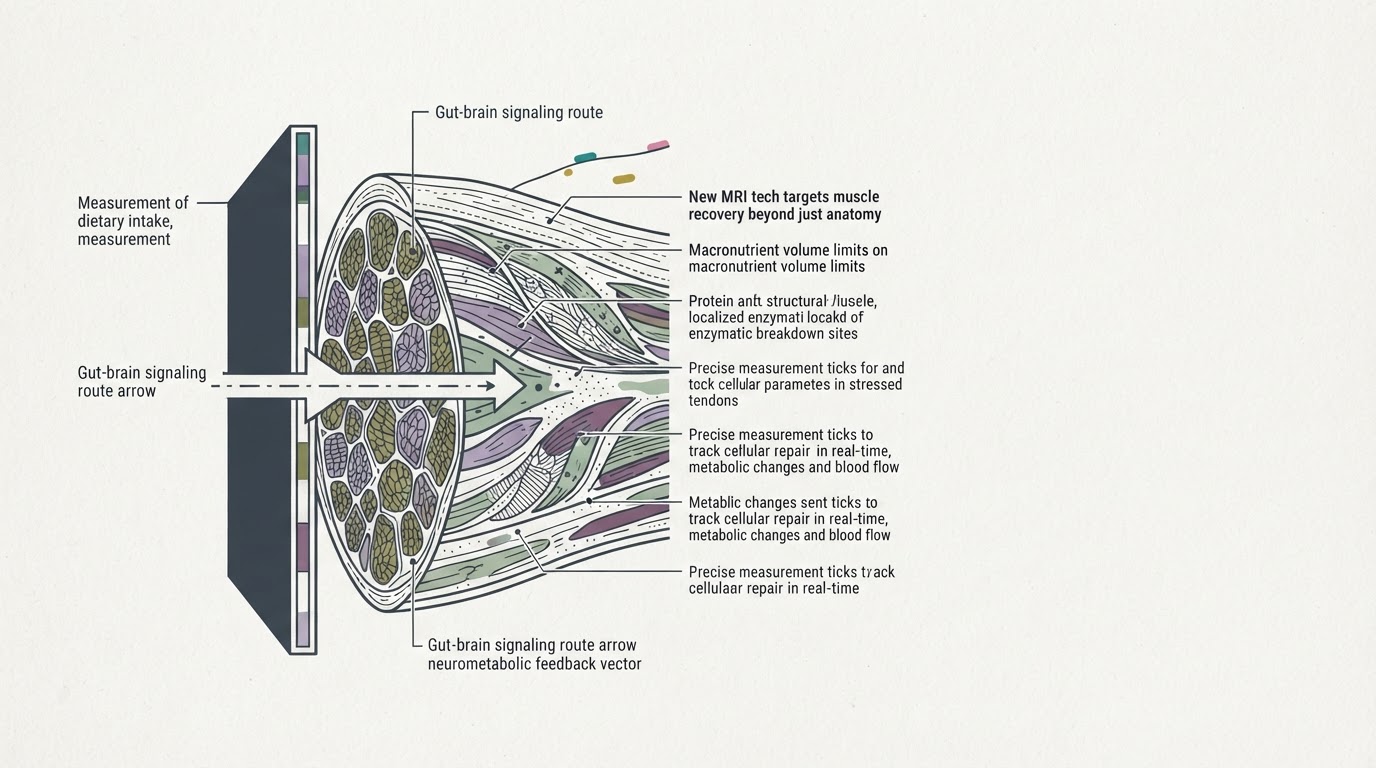
Medical imaging is moving past simple anatomical scans for musculoskeletal issues, according to a report in El Médico Interactivo. New MRI techniques are providing functional and quantitative data, showing not just what's broken but how it's actually working (or not). This means better insights for recovery, especially for athletes and those dealing with chronic pain.
The architecture take
Your standard MRI shows bones and tears. Useful, yes, but also a bit like looking at a broken car and only noting the dent. This new wave of medical imaging is trying to get at the why and how of musculoskeletal pain and recovery. We're talking functional MRI and spectroscopy that can track tissue viability, inflammation, and even metabolic changes in muscles and tendons. It's less about the static picture of a torn ligament and more about understanding its dynamic state and healing capacity.
For anyone pushing their body – athletes, or just people trying to regain function after an injury – this means diagnostics could finally start matching the complexity of actual recovery. Imagine seeing how well blood is flowing into a stressed tendon, or tracking cellular repair in real-time after a tough workout. The shift is from 'what's wrong' to 'how can we optimize healing.' I'm watching for these tools to move beyond niche sports medicine and into higher-end recovery clinics.