news
New 'DNA Vacuum' Detects Animal Life in Danish Air
Danish researchers developed a 'DNA vacuum' to sample airborne genetic material from animals. They successfully identified a range of animals living in three Danish nature areas, including mammals, birds, and insects, from shed hair, feathers, and skin cells. This new method offers a non-invasive way to survey biodiversity and track ecosystem health.
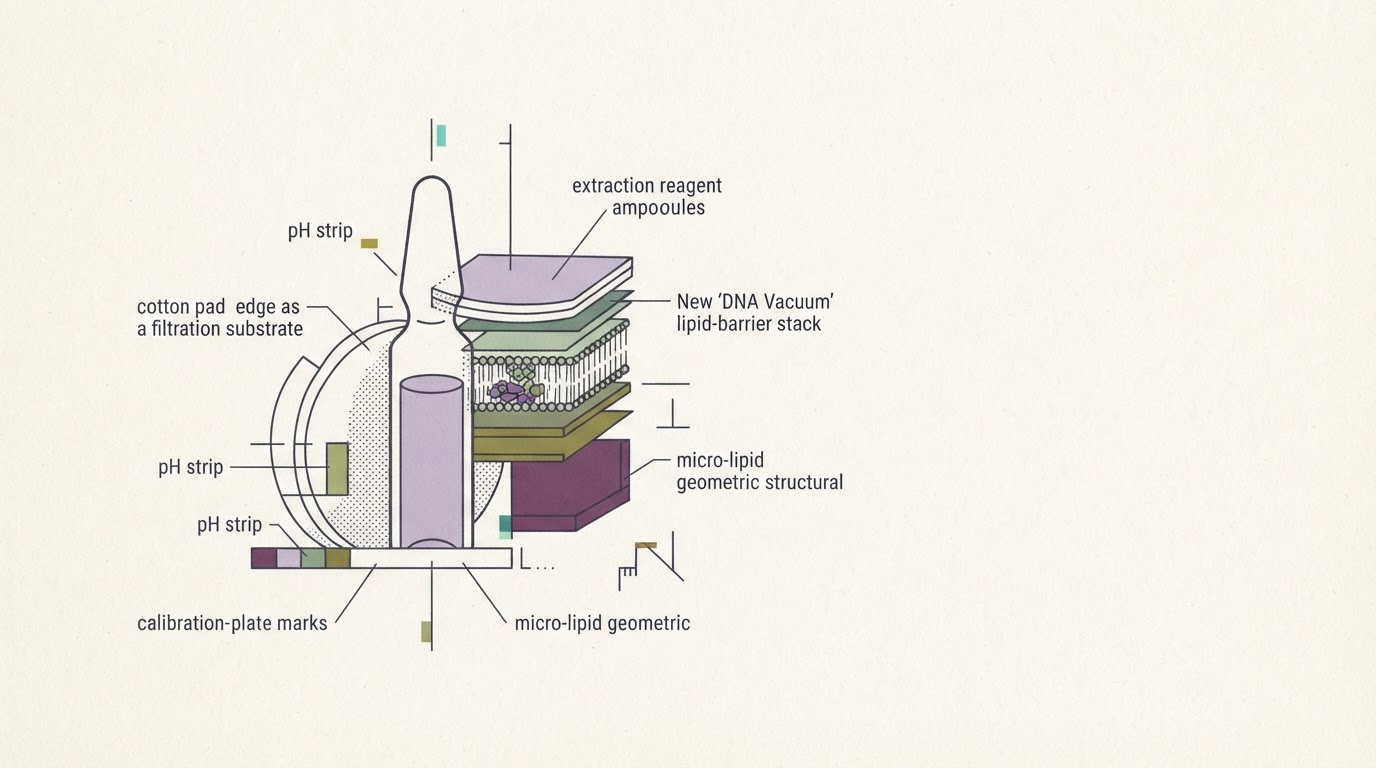
Danish researchers developed a 'DNA vacuum' to sample airborne genetic material from animals. They successfully identified a range of animals living in three Danish nature areas, including mammals, birds, and insects, from shed hair, feathers, and skin cells. This new method offers a non-invasive way to survey biodiversity and track ecosystem health.
The architecture take
Okay, so scientists are basically sniffing the air for animal dandruff to figure out who's living where. This isn't just a cool party trick; it's a stealthy way to monitor biodiversity without disturbing anything, which is a big win for conservation. Imagine knowing exactly how many rare bats are in a cave just by sucking up some air. For us nervous-system types, it’s a reminder of how much biological data floats around us, undetected. This method could eventually track everything from allergen prevalence in different regions to understanding the microscopic life we share our spaces with, all impacting our internal environment. The next step is scaling this, and maybe, just maybe, applying it to human habitats. What if your smart home could tell you what's really in the air you breathe?