news
Nature Medicine trial finds semaglutide lowers BMI in children
A clinical trial published in Nature Medicine tracking semaglutide in children found the weekly GLP-1 injection substantially reduced body mass index and improved blood sugar markers. The STEP Young trial evaluated pediatric patients with obesity against a placebo control. It pushes metabolic drug therapy directly into early childhood development.
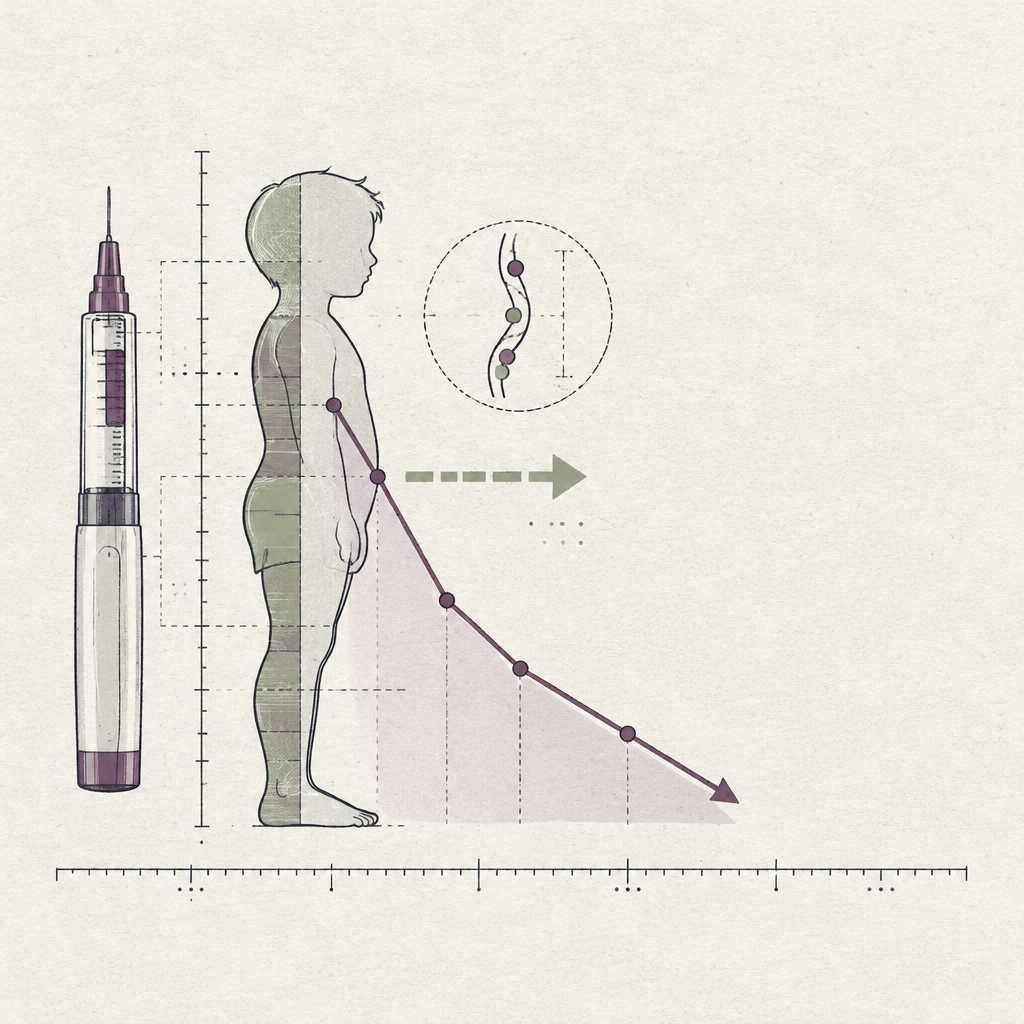
A clinical trial published in Nature Medicine tracking semaglutide in children found the weekly GLP-1 injection substantially reduced body mass index and improved blood sugar markers. The STEP Young trial evaluated pediatric patients with obesity against a placebo control. It pushes metabolic drug therapy directly into early childhood development.
The architecture take
Pushing GLP-1 agonists into pediatric cohorts was always the logical commercial endpoint, but seeing the trial data published in black and white still stops me in my tracks. The drug acts directly on hypothalamic receptors to quiet hunger signaling and blunt insulin spikes, mirroring the metabolic cascade seen in adults. I used to think the pediatric conversation would stay confined to lifestyle coaching for another decade. That dam broke today. When a young child takes a weekly shot that recalibrates appetite loops, you are altering how their nervous system registers satiety and dopamine reward during active growth. Pediatricians will welcome the hard drops in liver enzymes and resting blood sugar. But we still have zero multi-decade data on what chronic receptor stimulation does to adolescent bone density or spontaneous food motivation later in life. Keep an eye on pediatric endocrine guidelines this autumn. The clinical momentum has officially shifted toward early pharmaceutical intervention, whether our cultural comfort level is ready for it or not.