news
Mount Sinai IDs CAR T side effect, finds repurpose drug fix
Researchers at Mount Sinai's Icahn School of Medicine found out why some CAR T cancer patients get severe gut inflammation after treatment. They also identified an existing oral inhibitor that can fix this enterocolitis by calming immune cells in the intestine. This means better outcomes for patients battling severe cancer therapies.
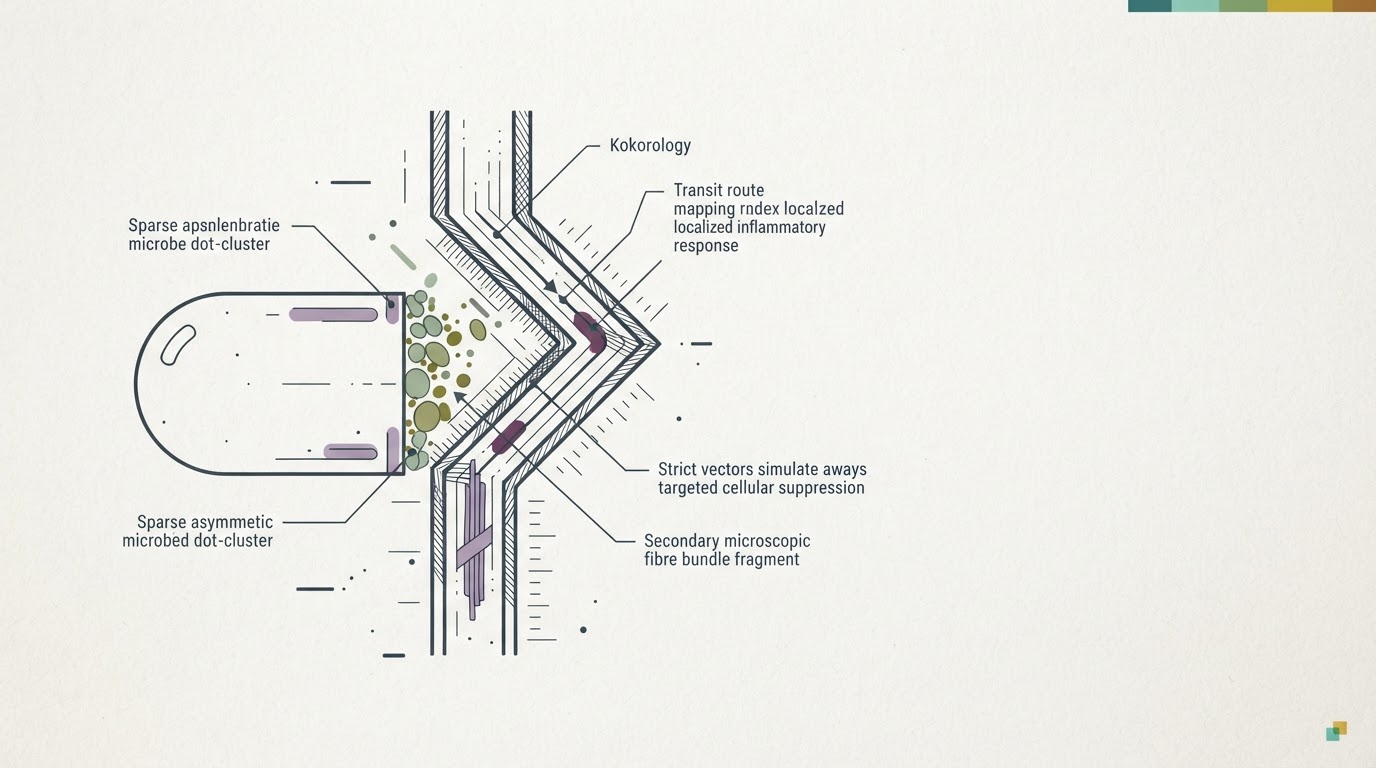
Researchers at Mount Sinai's Icahn School of Medicine found out why some CAR T cancer patients get severe gut inflammation after treatment. They also identified an existing oral inhibitor that can fix this enterocolitis by calming immune cells in the intestine. This means better outcomes for patients battling severe cancer therapies.
The architecture take
So, those powerful CAR T cell therapies? They’re life-savers for some cancers, but they can hit your gut hard, sometimes causing serious inflammation. What Mount Sinai found is that it's not just the CAR T cells acting up; it's a specific type of T cell that gets overactivated in your intestine. They call them regulatory T cells, but in this context, they're causing trouble, not keeping peace. My take: It's a reminder that even targeted therapies have downstream effects on your body's systems, especially the gut. The good news is they found a drug, a JAK inhibitor, that already exists and can shut down that specific inflammatory response. This kind of quick repurposing, jumping straight to a usable solution, is exactly what we need to see more of in complex treatments.