news
Mobilio app uses phone sensors for blind navigation
A new smartphone app, Mobilio, combines camera and sensor data with audio directions to help blind and partially sighted people navigate their environment. This tool aims to improve spatial awareness and reduce the cognitive load of avoiding obstacles in real-time. It's a pragmatic step toward better accessibility, making movement less stressful.
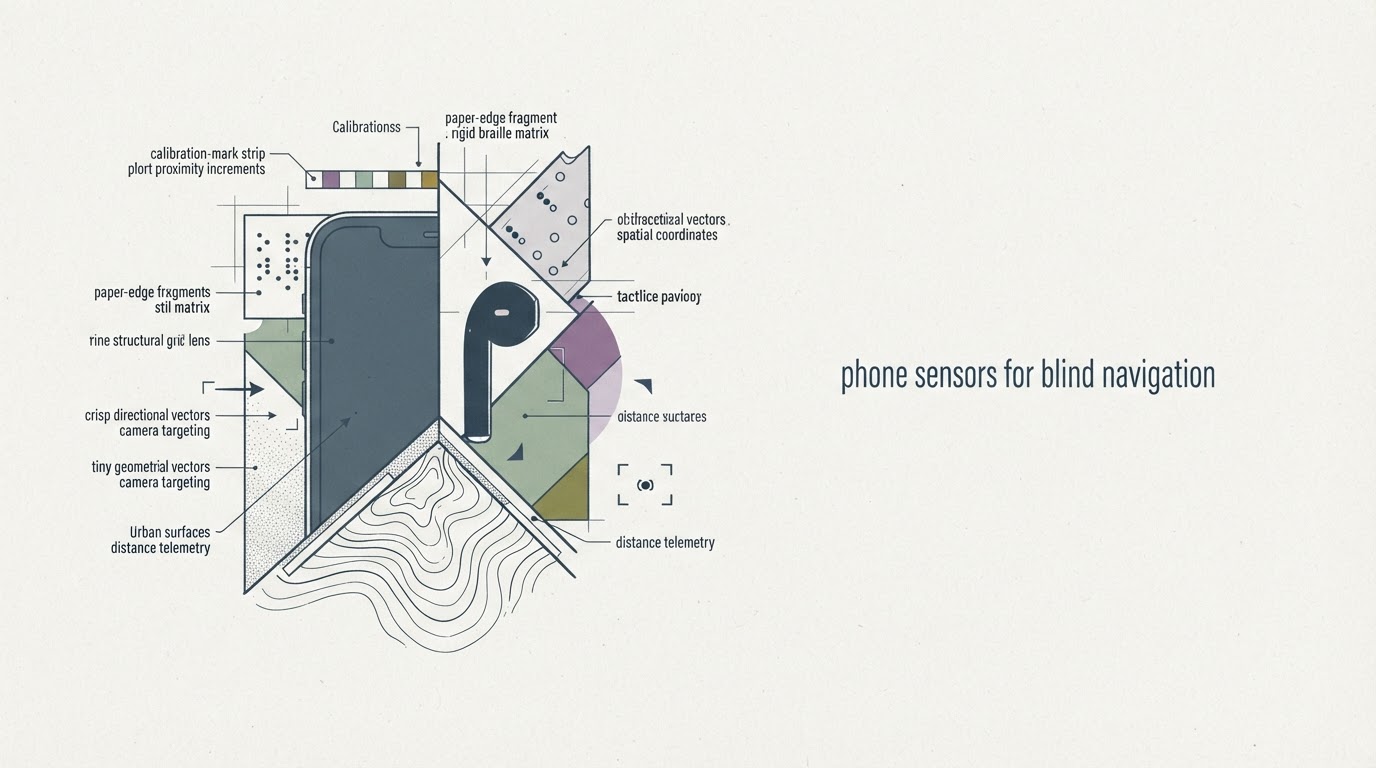
A new smartphone app, Mobilio, combines camera and sensor data with audio directions to help blind and partially sighted people navigate their environment. This tool aims to improve spatial awareness and reduce the cognitive load of avoiding obstacles in real-time. It's a pragmatic step toward better accessibility, making movement less stressful.
The architecture take
Think about the sheer cognitive load of constant uncertainty, the 'threat detection' that vision loss demands. Your nervous system is always firing, scanning, predicting obstacles. This Mobilio app directly addresses that, offering external cues to reduce the internal static. The body isn't just about what you eat or how you move; it's also how you perceive and interact with your space. Giving real-time audio feedback, backed by sensor data, offloads some of that perpetual vigilance. It helps regulate the state of someone whose environment is often a source of stress, freeing up mental bandwidth. I see this as a solid step toward making daily movement a less taxing experience, which ultimately means a calmer nervous system. It’s not just about getting from A to B; it's about how you feel while you're doing it.