news
Midlife Sleep Change Is More Than Just Fewer Hours
Forget just fewer hours; midlife sleep shifts to less REM and deep sleep, impacting memory and emotional regulation. This isn't about total time in bed, but the quality of sleep, which changes hormone regulation and brain function. It means women need to focus on sleep architecture, not just sleep quantity, as they age.
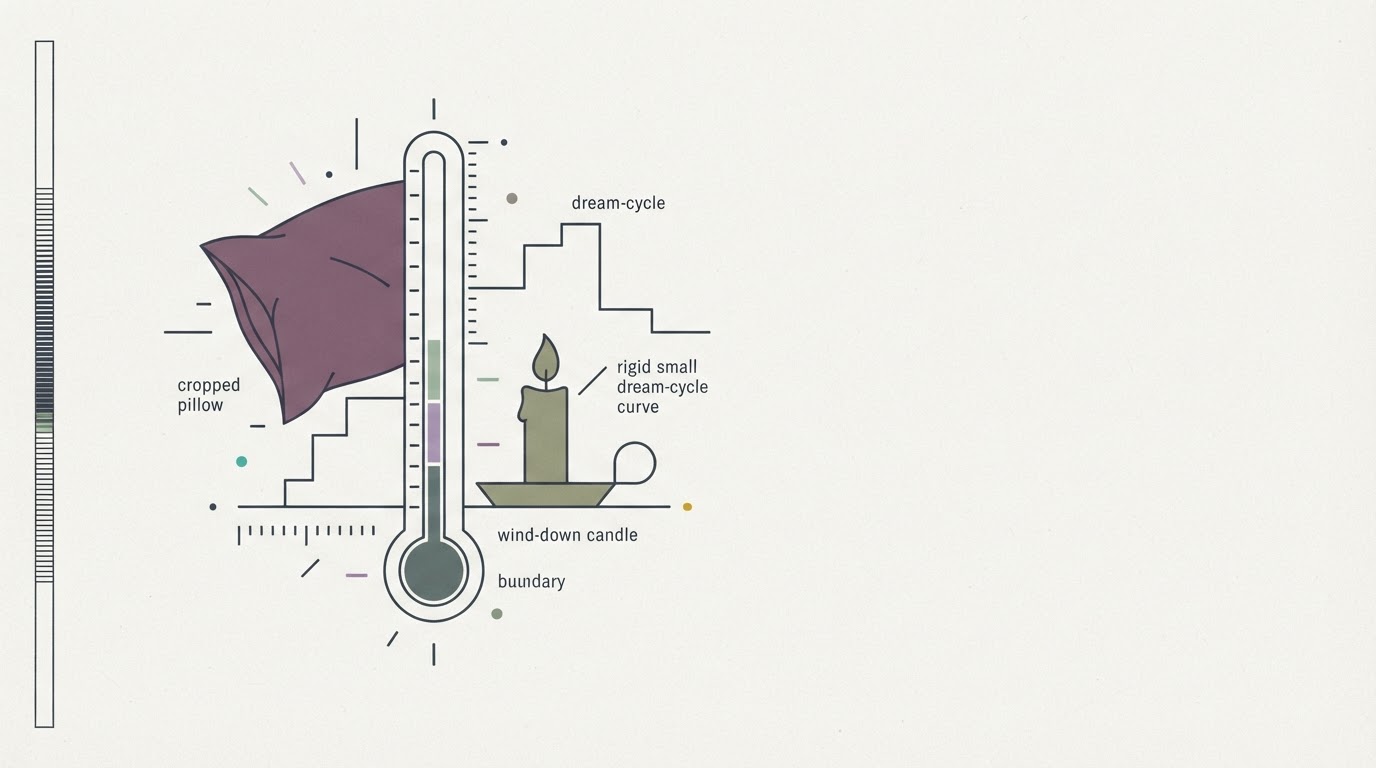
Forget just fewer hours; midlife sleep shifts to less REM and deep sleep, impacting memory and emotional regulation. This isn't about total time in bed, but the quality of sleep, which changes hormone regulation and brain function. It means women need to focus on sleep architecture, not just sleep quantity, as they age.
The architecture take
This isn't just about feeling tired. Midlife sleep changes mean your brain isn't cleaning itself up as efficiently, your emotional responses might be a little hairier, and your memories could be hazier, all thanks to less REM and deep sleep. It’s not simply less time under the covers; it's a fundamental shift in how your brain processes the day and prepares for the next. This has everything to do with shifting hormones, particularly estrogen, which impacts neurotransmitter function and how your brain regulates sleep cycles. So, ditch the "sleep more" mantra and start thinking "sleep better." That means focusing on rituals that promote those deeper, more restorative stages of sleep, like consistent bedtimes, blackout curtains, and cutting out that pre-bed scroll. Because a few hours of junk sleep won't do what a solid hour of deep sleep will for your nervous system.