trend
McKinsey pegs German wellness spending at 100 billion euros
McKinsey reports that German consumers now spend roughly 100 billion euros annually across health, fitness, nutrition, and sleep. The findings signal huge European demand for hard biological outcomes over passive self-care. It marks a decisive pivot toward science-backed physical recovery and metabolic health.
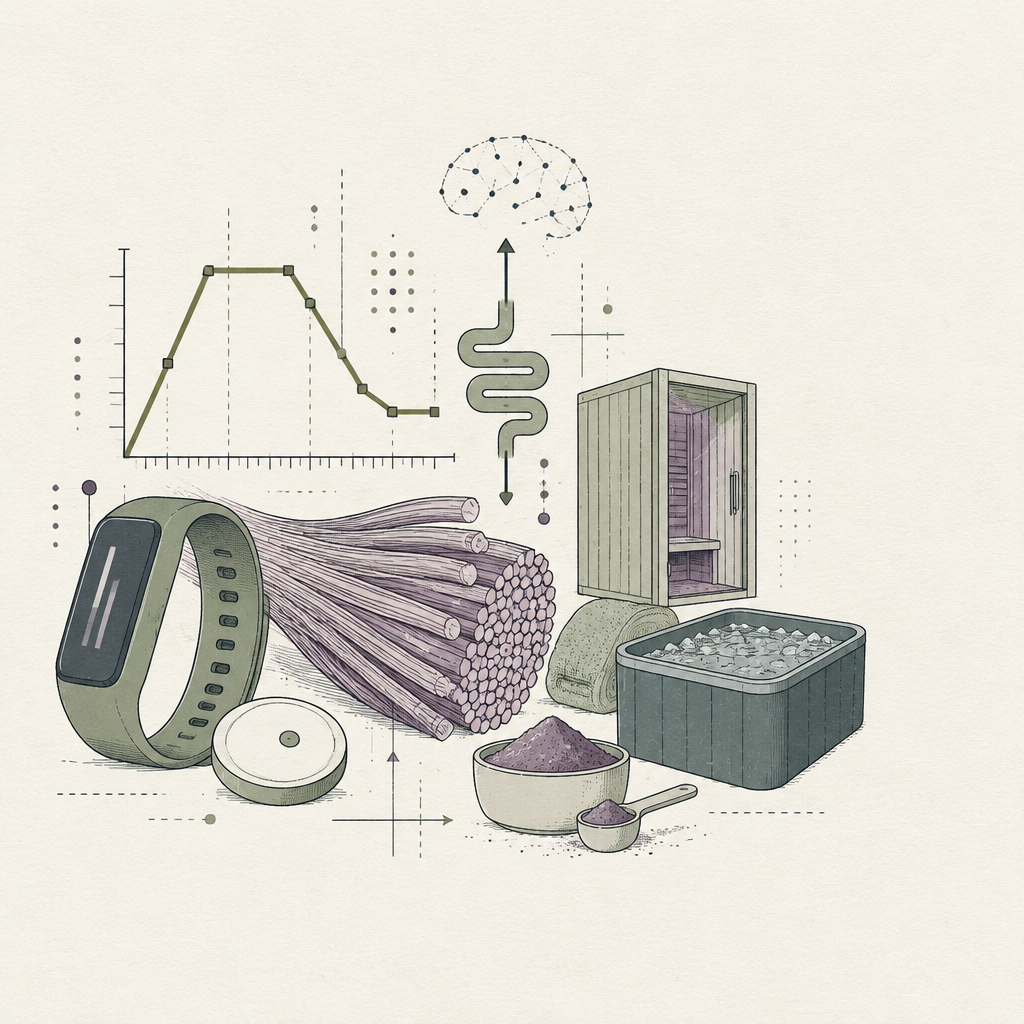
McKinsey reports that German consumers now spend roughly 100 billion euros annually across health, fitness, nutrition, and sleep. The findings signal huge European demand for hard biological outcomes over passive self-care. It marks a decisive pivot toward science-backed physical recovery and metabolic health.
The architecture take
A hundred billion euros a year proves that sleep tracking and cold plunges didn't stay niche subcultures for long. I used to think the European market would resist the aggressively quantified self-care that took over the States. I was completely wrong. When German consumers allocate twelve-figure budgets to sleep hygiene, metabolic health, and muscle recovery, the shift is permanent. People are buying tools that tangibly alter their biology: continuous glucose monitors, magnesium bisglycinate protocols, and infrared saunas to quiet runaway cortisol. They want measurable nervous system down-regulation after long workdays. (My own evening routine took three years to strip down to things that didn't just look pretty on a nightstand.) The brands winning this spend are ditching aesthetic fluff for clinical efficacy, targeting sleep pressure and circadian alignment instead of generic pampering. I watch where this capital heads next: into localized biomarker testing and evidence-backed longevity clinics across Munich and Berlin.