news
Low summer vitamin D predicts mortality while winter dips do not
Uppsala University researchers tracked seasonal 25-hydroxyvitamin D levels across Swedish adults and found low summer readings doubled fracture and mortality risk. By contrast, winter dips showed no connection to early death. If you test your blood only in January, you are likely treating a seasonal blip rather than a chronic deficit.
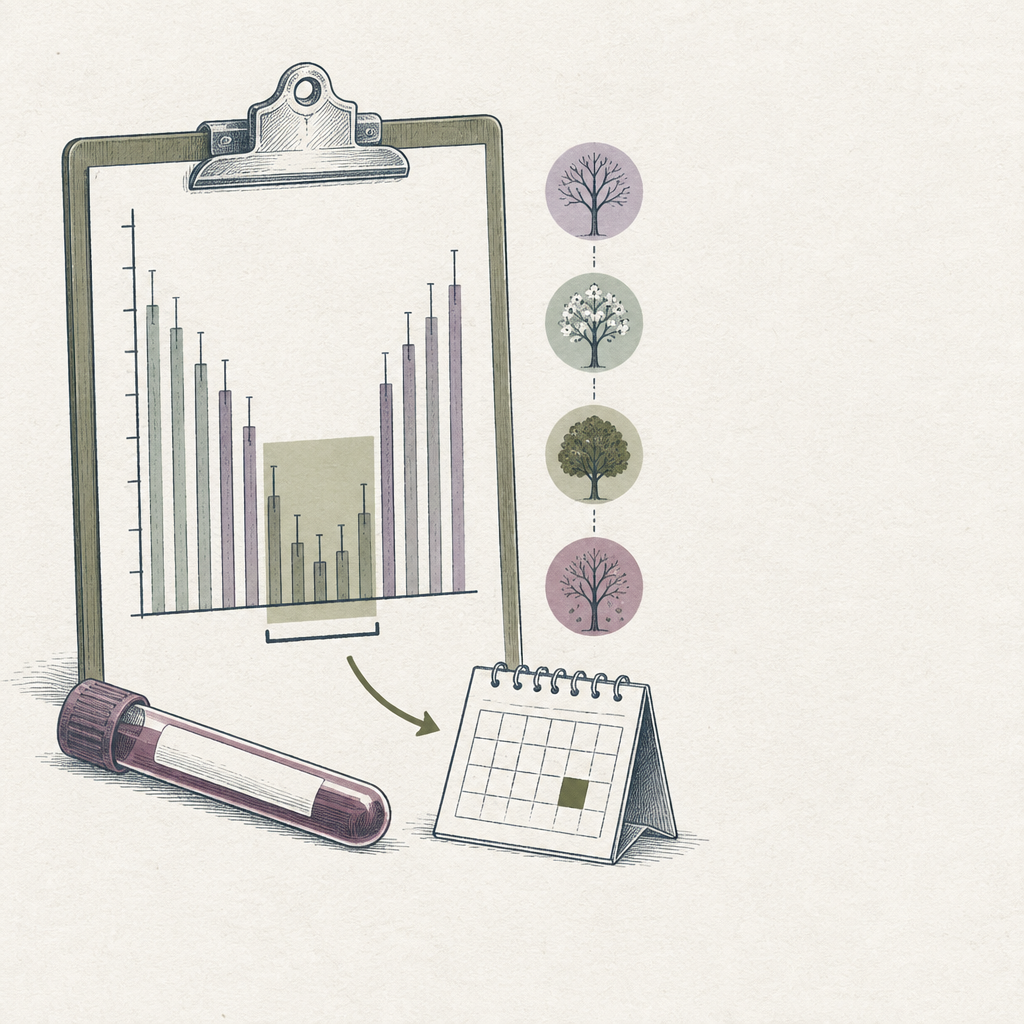
Uppsala University researchers tracked seasonal 25-hydroxyvitamin D levels across Swedish adults and found low summer readings doubled fracture and mortality risk. By contrast, winter dips showed no connection to early death. If you test your blood only in January, you are likely treating a seasonal blip rather than a chronic deficit.
The architecture take
I spent years testing my blood every November, watching the 25-hydroxyvitamin D number drop, and swallowing 5,000 IU daily in a panic. I assumed any dip spelled trouble. This Uppsala study shows that winter drop is mostly harmless noise. Across Swedish cohorts, low winter levels showed zero link to fractures or mortality. The real danger showed up in summer. If your levels stay depressed in July—when cutaneous synthesis from midday sun should replenish your stores—your gut is likely failing to absorb fat-soluble nutrients. That deficit prompts parathyroid hormone to leech calcium directly from bone to keep vascular tone stable. Boring works, but timing matters. I shifted my annual blood panel to late August because of this paper. A low winter score reflects the earth's tilt. A low summer score means something in your digestive baseline is struggling, and a quick capsule will not fix it.