news
Low-dose omega-3s don't raise AFib risk, new meta-analysis finds
A new meta-analysis of 103 randomized trials, involving over 150,000 participants, found that taking up to 1 gram of omega-3 daily does not increase the risk of atrial fibrillation. High doses, above 4 grams per day, might have a slight connection, especially for those already at cardiovascular risk. This tidies up some messy headlines from last year.
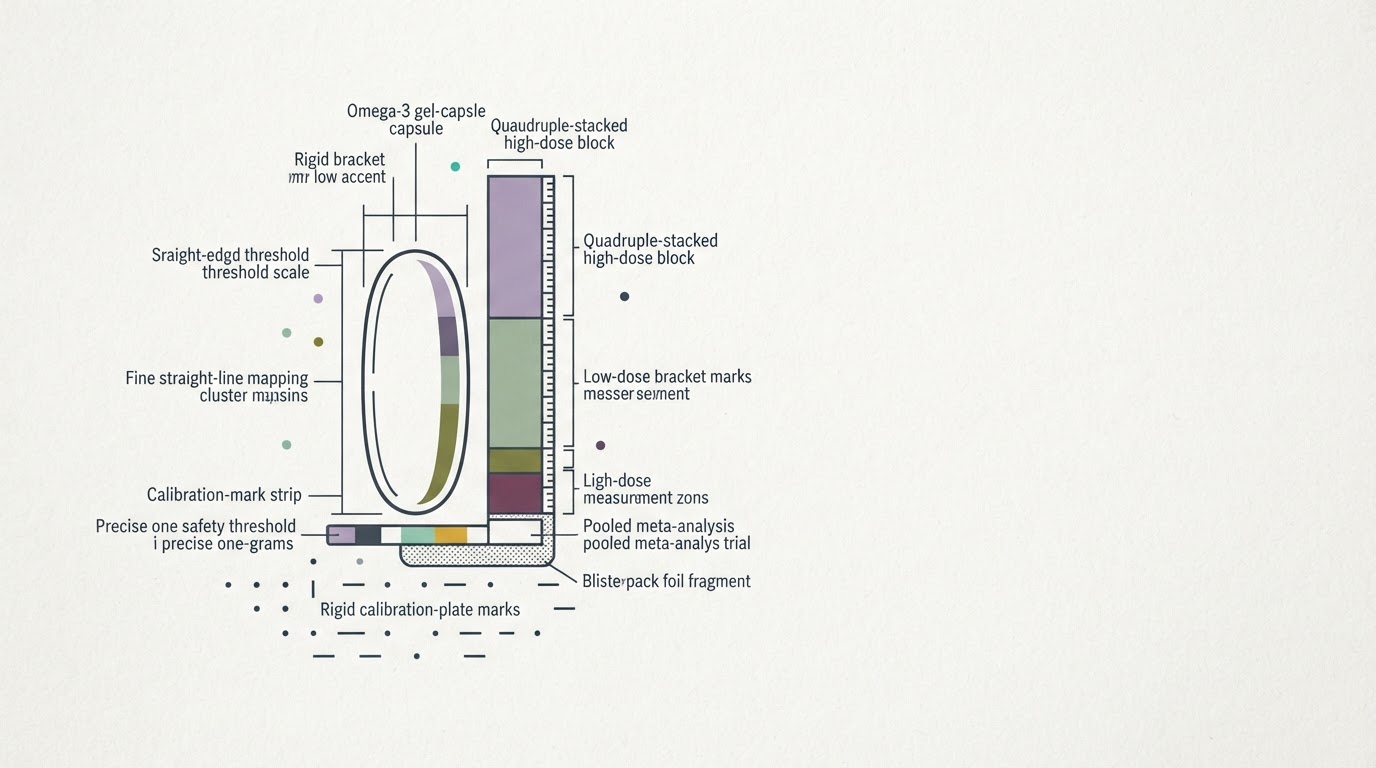
A new meta-analysis of 103 randomized trials, involving over 150,000 participants, found that taking up to 1 gram of omega-3 daily does not increase the risk of atrial fibrillation. High doses, above 4 grams per day, might have a slight connection, especially for those already at cardiovascular risk. This tidies up some messy headlines from last year.
The architecture take
Remember all the noise last year about omega-3s giving you heart flutters? This new meta-analysis cuts through that. Turns out, if you're taking a standard, common dose (like, one average fish oil pill), your risk of AFib doesn't budge. The scare was mostly linked to super-high, pharmaceutical-grade doses — think 4 grams or more, often prescribed for very specific conditions, not your daily maintenance. I've always thought the dose makes the poison, and this confirms it. For most people taking a typical 1g dose to manage inflammation or support brain function, this is a non-story. It's a good reminder to check the numbers: the difference between 1 gram and 4 grams is significant, and context matters more than blanket headlines. Your basic fish oil isn't suddenly going to mess with your heart rhythm.