trend
Longevity Clinics Turn to Microdosing GLP-1 for Systemic Inflammation
Private longevity clinics and telehealth doctors are prescribing sub-therapeutic GLP-1 doses, often 0.1 mg to 0.25 mg weekly, to non-obese patients seeking anti-aging benefits. The protocol aims to curb systemic inflammation and steady post-meal glucose spikes rather than drive rapid weight loss. Concierge medicine is rapidly adopting the practice despite a clear lack of controlled clinical trials in healthy populations.
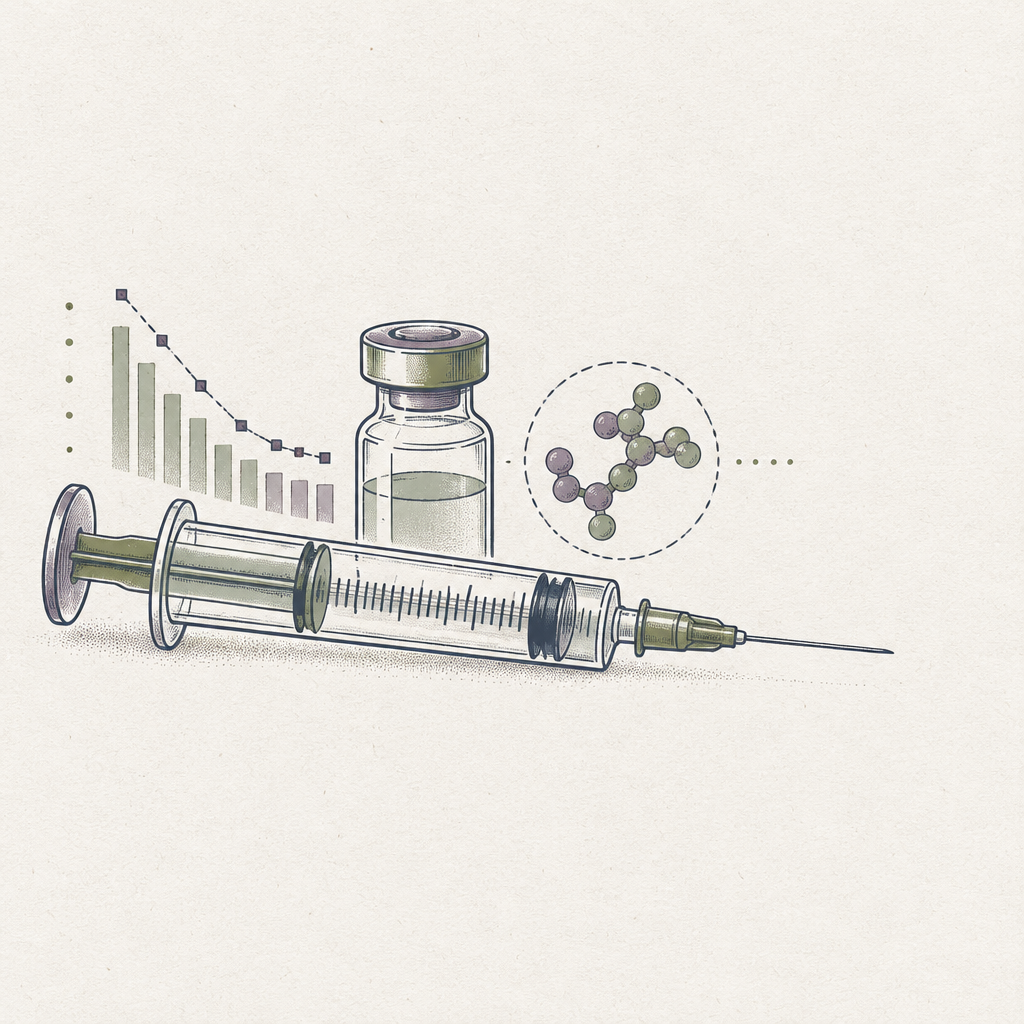
Private longevity clinics and telehealth doctors are prescribing sub-therapeutic GLP-1 doses, often 0.1 mg to 0.25 mg weekly, to non-obese patients seeking anti-aging benefits. The protocol aims to curb systemic inflammation and steady post-meal glucose spikes rather than drive rapid weight loss. Concierge medicine is rapidly adopting the practice despite a clear lack of controlled clinical trials in healthy populations.
The architecture take
Longevity clinics have found their newest hook: prescribing tiny, off-label doses of semaglutide to people who are already lean. The pitch centers on quiet systemic inflammation and neuroprotection rather than dropping thirty pounds. Mechanistically, GLP-1 receptors in the brainstem and the nodose ganglion of the vagus nerve do more than blunt appetite; they seem to dial down central inflammatory signaling and smooth postprandial glucose swings. I was skeptical when telehealth operators first started packaging 0.1 mg weekly vials, but patients are chasing the psychological calm and metabolic stability. The problem nobody talks about in the longevity suites is body composition. When a healthy person with normal insulin sensitivity takes even micro-doses, protein intake drops, and skeletal muscle goes with it unless they force-feed resistance training. Watch compounding pharmacies run this playbook hard until regulators cut off custom dosing loopholes.