news
Liver cells fuel pancreatic cancer's spread with serine
New research in Nature pinpoints how liver cells (hepatocytes) feed pancreatic cancer cells with the amino acid serine, driving metastasis to the liver. This mechanism, observed in both mouse models and human samples, suggests that blocking serine metabolism might slow cancer spread. The study identifies a metabolic hand-off between organs that fuels disease progression.
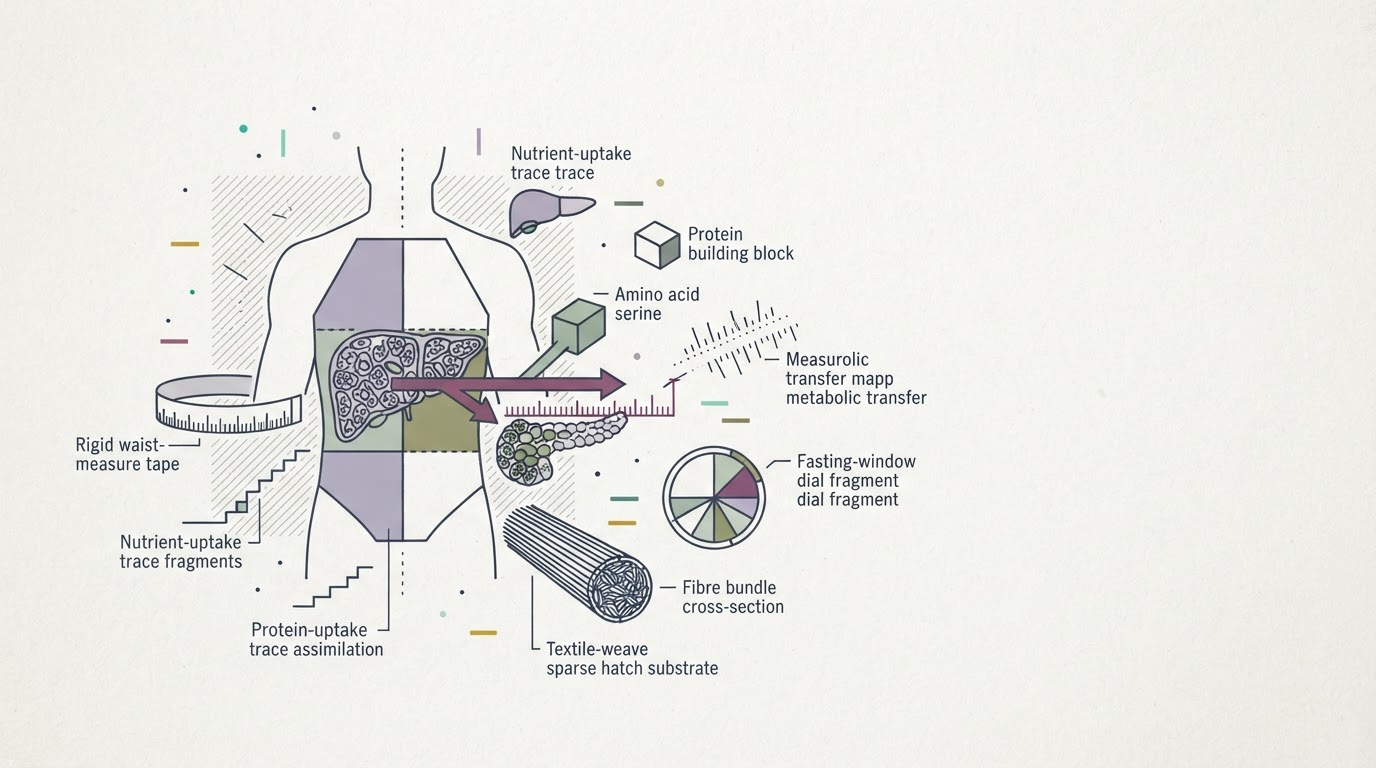
New research in Nature pinpoints how liver cells (hepatocytes) feed pancreatic cancer cells with the amino acid serine, driving metastasis to the liver. This mechanism, observed in both mouse models and human samples, suggests that blocking serine metabolism might slow cancer spread. The study identifies a metabolic hand-off between organs that fuels disease progression.
The architecture take
I used to think cancer cells were just greedy, gobbling up whatever they could find. Turns out, it's more like a deliberate, specific food delivery service. Here, liver cells aren't just a passive landing pad for pancreatic cancer; they're actively supplying serine, a building block for proteins and DNA, directly enabling the cancer to set up shop and grow. It’s a metabolic collaboration that benefits the tumor. This isn't just about understanding disease, it's about seeing how fundamental nutrient pathways can be hijacked. Think about how diet or even supplement choices might influence this particular metabolic flow someday. We’re still a ways off, but knowing the specific fuel source changes how you might starve the fire. It’s a good reminder that every cell has its own appetite, and sometimes that appetite works against you.