news
Leqembi Alzheimer's treatment gets at-home injection in Japan
Eisai secured approval in Japan for a subcutaneous autoinjector pen for Leqembi, its early Alzheimer's drug. Patients or caregivers can now self-administer the 500 mg weekly dose at home, making it easier than the current bi-weekly IV infusions. This is big for compliance with a drug that slows cognitive decline.
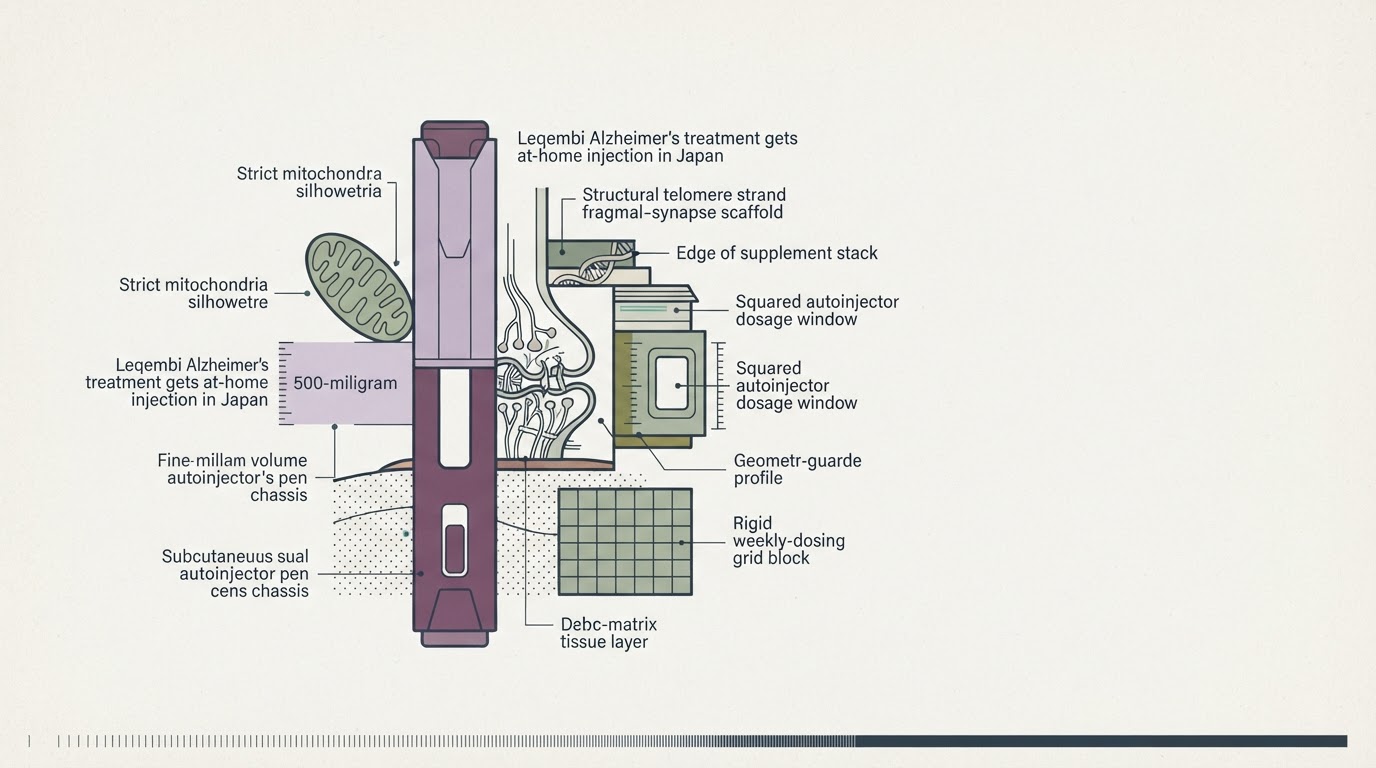
Eisai secured approval in Japan for a subcutaneous autoinjector pen for Leqembi, its early Alzheimer's drug. Patients or caregivers can now self-administer the 500 mg weekly dose at home, making it easier than the current bi-weekly IV infusions. This is big for compliance with a drug that slows cognitive decline.
The architecture take
This Leqembi pen in Japan changes how Alzheimer's treatment gets done, shifting from clinic visits to at-home care. Weekly self-injection of 500 mg means more people can access it, which is crucial for a disease where early, consistent intervention makes a real difference in cognition. The current IV version is a drain on time and energy, especially for folks with early dementia and their care partners. Making it easier to take means fewer missed doses and a better chance at slowing the relentless brain aging cascade. I'm watching to see how this impacts global regulatory timelines and patient uptake. Expect other complex treatments for neurodegenerative conditions to follow this route. Convenience isn't a luxury when it comes to brain health, it's a necessary design feature.