news
Leafy green veggies might cut dementia risk by 30%
A 24-year study of 2,800 adults found eating about one serving of leafy greens daily was linked to a 30% slower rate of cognitive decline and reduced dementia risk. Researchers saw the biggest impact in those with Alzheimer's-specific brain changes. This isn't a new concept, but the sheer length and size of the study make the data compelling.
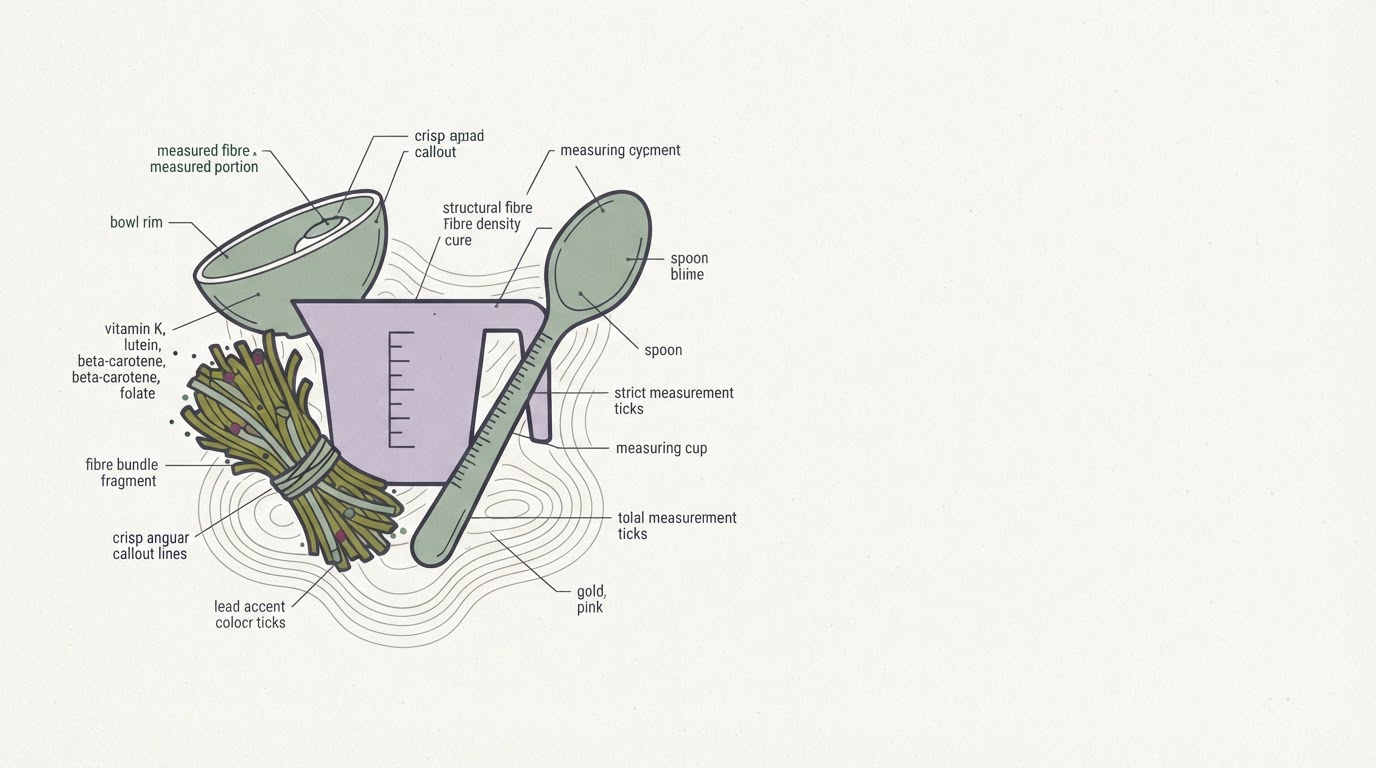
A 24-year study of 2,800 adults found eating about one serving of leafy greens daily was linked to a 30% slower rate of cognitive decline and reduced dementia risk. Researchers saw the biggest impact in those with Alzheimer's-specific brain changes. This isn't a new concept, but the sheer length and size of the study make the data compelling.
The architecture take
Call it what it is: your mom was right. Eat your spinach. This isn't groundbreaking news—we've known for ages that whole, nutrient-dense foods are good for your brain. But this specific, decades-long research out of Rush University Medical Center, published in Alzheimer's & Dementia, quantifies a real, measurable effect. The takeaway isn't just 'eat healthy'; it's that specific compounds in leafy greens (think vitamin K, lutein, beta-carotene, folate) appear to be directly linked to neuroprotection. We're not talking about a magic pill here, but consistent, achievable dietary changes that build up over time. The 'special sauce' for your brain isn't some exotic superfood; it's the stuff that’s been on your plate forever. This means for your nervous system and your overall longevity, making dark, leafy greens a daily non-negotiable could act as a low-cost, high-impact defense against cognitive decline. Skip the supplements and just get the food in.