news
Large Brain Scan Study Challenges Classic View of Emotional Control
A massive analysis of fMRI scans across hundreds of participants questions whether cognitive reappraisal actually dials down amygdala activity. Researchers found that reframing tough emotions engages widespread cortical networks rather than acting as a simple top-down brake on fear centers. The finding matters for anyone relying solely on mental reframing to calm acute distress.
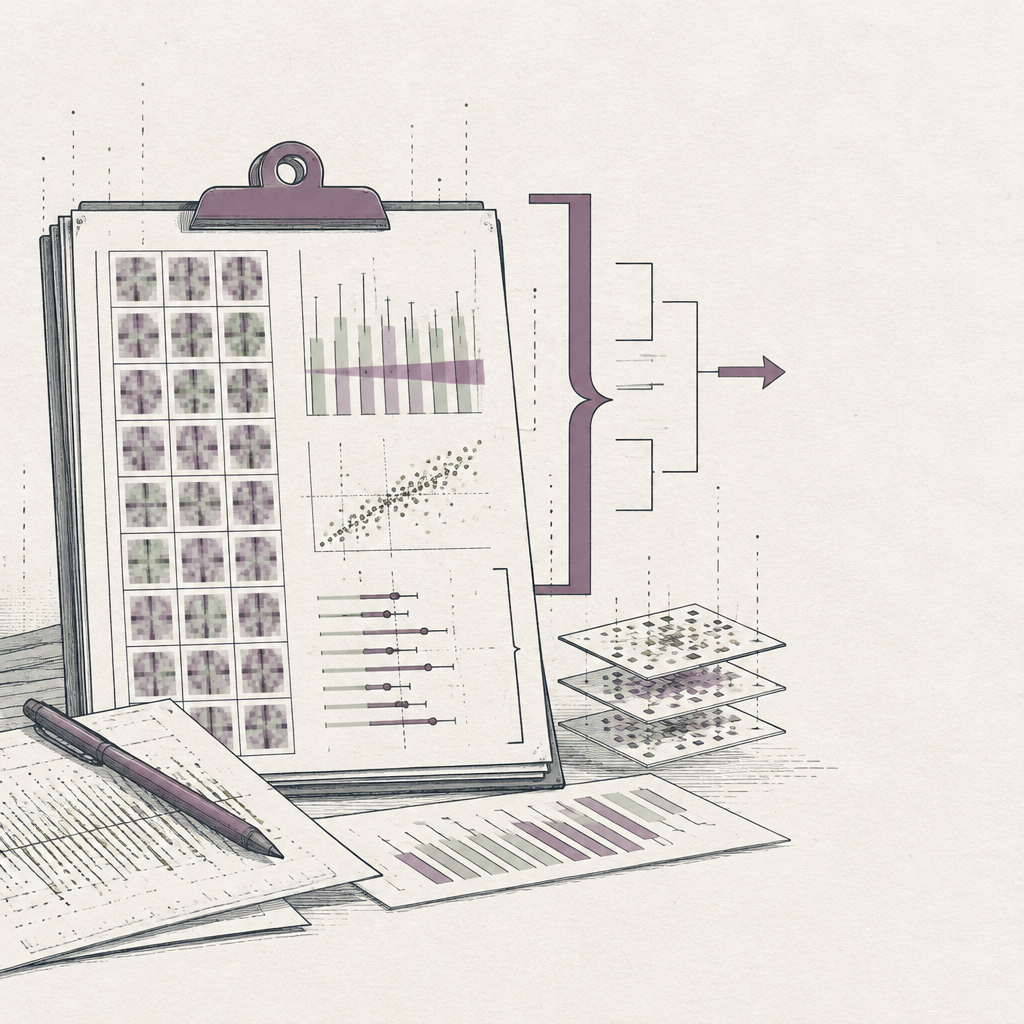
A massive analysis of fMRI scans across hundreds of participants questions whether cognitive reappraisal actually dials down amygdala activity. Researchers found that reframing tough emotions engages widespread cortical networks rather than acting as a simple top-down brake on fear centers. The finding matters for anyone relying solely on mental reframing to calm acute distress.
The architecture take
I spent years telling myself that if I just reasoned through a panic spike, my amygdala would get the memo and quiet down. This dataset showed that the brain does not work like a neat volume knob. When participants reframe distressing scenes, their prefrontal cortex lights up, but their amygdala often stays just as reactive. The cognitive shift changes subjective meaning across distributed cortical circuits without automatically suppressing the immediate physical alarm. That matches what I feel in my own chest during real stress. Logic rarely drops your heart rate in thirty seconds. Somatic signals take a different route through vagal pathways and peripheral nerves, which talk back to the brainstem long before cognitive reappraisal finishes its sentence. If your body is dumping adrenaline, thinking better thoughts cannot outrun the chemistry. I watch people exhaust themselves trying to think their way out of physical activation when an extended exhale or cold water does the job faster.