news
Lab silences reduce stress, improve attention
A Nature news piece explains how one lab ditched traditional presentations for silent meetings, finding it significantly reduced stress and improved meeting quality. The shift aimed to combat Zoom fatigue and cognitive overload, letting researchers absorb information at their own pace.
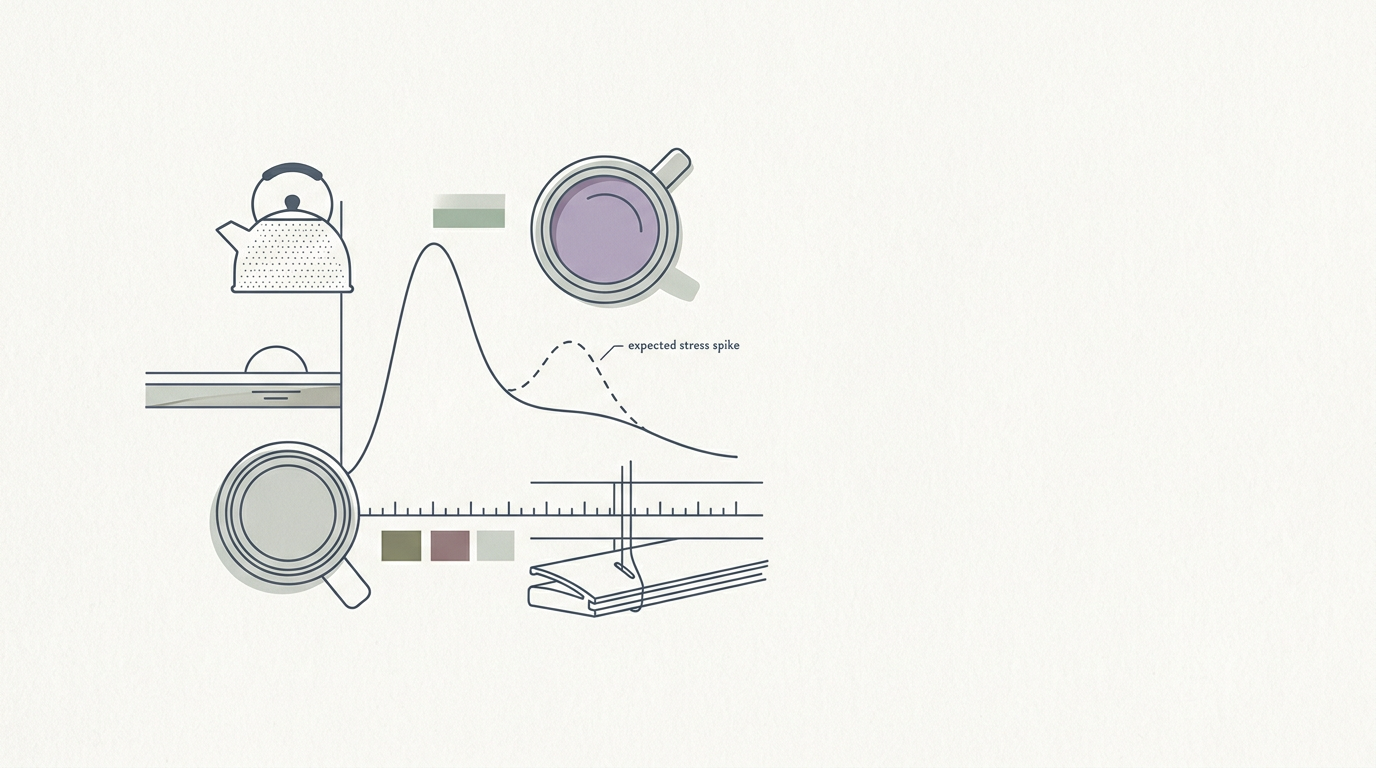
A Nature news piece explains how one lab ditched traditional presentations for silent meetings, finding it significantly reduced stress and improved meeting quality. The shift aimed to combat Zoom fatigue and cognitive overload, letting researchers absorb information at their own pace.
The architecture take
I’ve been preaching about quiet for ages, and now science is catching up. This lab's move to silent meetings isn't just about 'less talk,' it's a direct nervous-system intervention. Think about it: a typical presentation spikes your cortisol, keeps your brain trying to anticipate, and drains your attentional capacity. Silence, though? That lowers the overall cognitive load, dials down threat detection, and might even nudge your vagal tone. It allows for a diffuse attentional state, which is where real processing happens, not just frantic note-taking. This isn't just for labs; imagine the impact on your team meetings, where everyone is exhausted before the agenda even starts. It's permission to slow down and let your brain actually work, instead of react.