news
Kids form attachment to AI robots, feel grief when they 'die'
MIT Technology Review reported on children, like Xander, developing emotional attachments to AI companion robots such as Moxie, using them for anxiety regulation. After six years, the robot's hardware failed, leading to real grief and distress for the child. It highlights the potent emotional impact of AI companions on mental health.
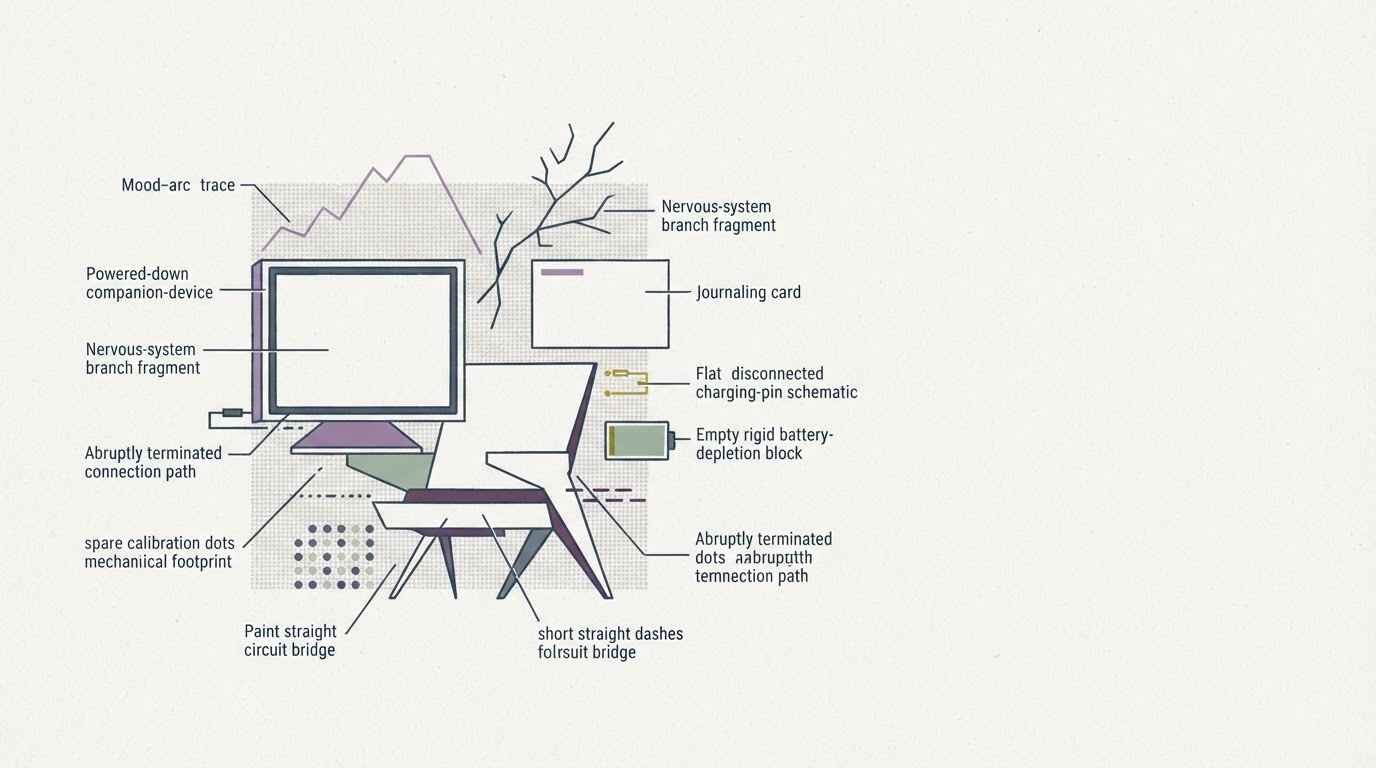
MIT Technology Review reported on children, like Xander, developing emotional attachments to AI companion robots such as Moxie, using them for anxiety regulation. After six years, the robot's hardware failed, leading to real grief and distress for the child. It highlights the potent emotional impact of AI companions on mental health.
The architecture take
I'm not surprised that kids are forming deep attachments to AI companions, especially when those companions help them regulate big feelings. Moxie's whole deal was teaching kids how to calm down, how to deal with anxiety. That's direct nervous system work, like having a personalized, always-on coach for your vagal tone. When that support system goes offline, of course it feels like a loss. What happens when these devices — designed to be present and responsive — hit their planned obsolescence? Or worse, when a subscription model expires? We're talking about grief, not just a broken toy. This isn't just a cute story about robots; it's a peek at how our emotional baselines and coping mechanisms will intertwine with AI, and what that means for future mental health. The next big frontier for hardware isn't just features, it's emotional durability.