news
Humpback whale seen carrying deceased calf for days, prompting grief study
Researchers documented a female humpback whale carrying her dead calf for over 17 hours, a behavior never before observed. This rare sighting offers new insight into maternal attachment in whales and is being interpreted as a potential example of grief. The observation was reported by marine scientist Andrew Mulville and covered by New Scientist.
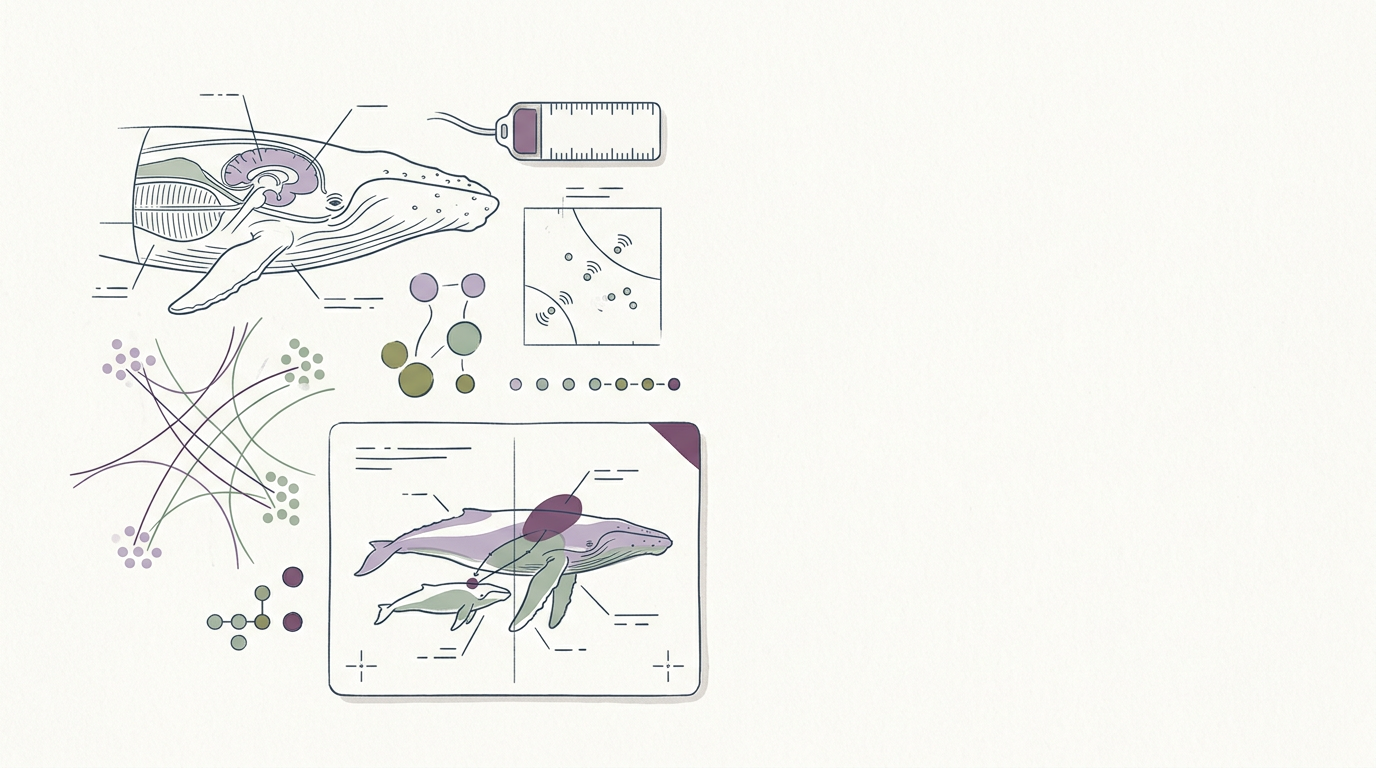
Researchers documented a female humpback whale carrying her dead calf for over 17 hours, a behavior never before observed. This rare sighting offers new insight into maternal attachment in whales and is being interpreted as a potential example of grief. The observation was reported by marine scientist Andrew Mulville and covered by New Scientist.
The architecture take
A humpback whale carried her stillborn calf for almost a full day after delivery. This isn't just about whales; it's a raw, undeniable signal of intense attachment and loss, and frankly, a strong candidate for grief. Scientists are calling it a first, but it feels like more than just a data point—it's a mirror. This kind of persistent, non-adaptive behavior around death in highly social, intelligent mammals points to a deep, complex emotional system. We're talking about a nervous system with the capacity to experience profound sorrow. If we can see this level of emotional depth in another species, it makes you wonder what else we've dismissed as 'instinct' when it's actually just a different expression of the same biological mechanisms for attachment and pain that we have. My bet is this isn't an anomaly, just an observation we finally made.