news
Hormonal shifts explain why women's sleep is different from men's
Brazilian physician Drauzio Varella highlights how hormonal changes, from the menstrual cycle to menopause, disrupt women's sleep patterns. These alterations can also mask underlying health issues requiring deeper investigation. It's a reminder that sleep isn't one-size-fits-all, especially when hormones are running the show.
Brazilian physician Drauzio Varella highlights how hormonal changes, from the menstrual cycle to menopause, disrupt women's sleep patterns. These alterations can also mask underlying health issues requiring deeper investigation. It's a reminder that sleep isn't one-size-fits-all, especially when hormones are running the show.
The architecture take
The conversation around sleep often glosses over the fundamental truth: a body with ovaries and a uterus experiences sleep differently. It's not just about managing stress; it's about navigating a monthly, sometimes decade-long, hormonal roller coaster that directly impacts sleep architecture.
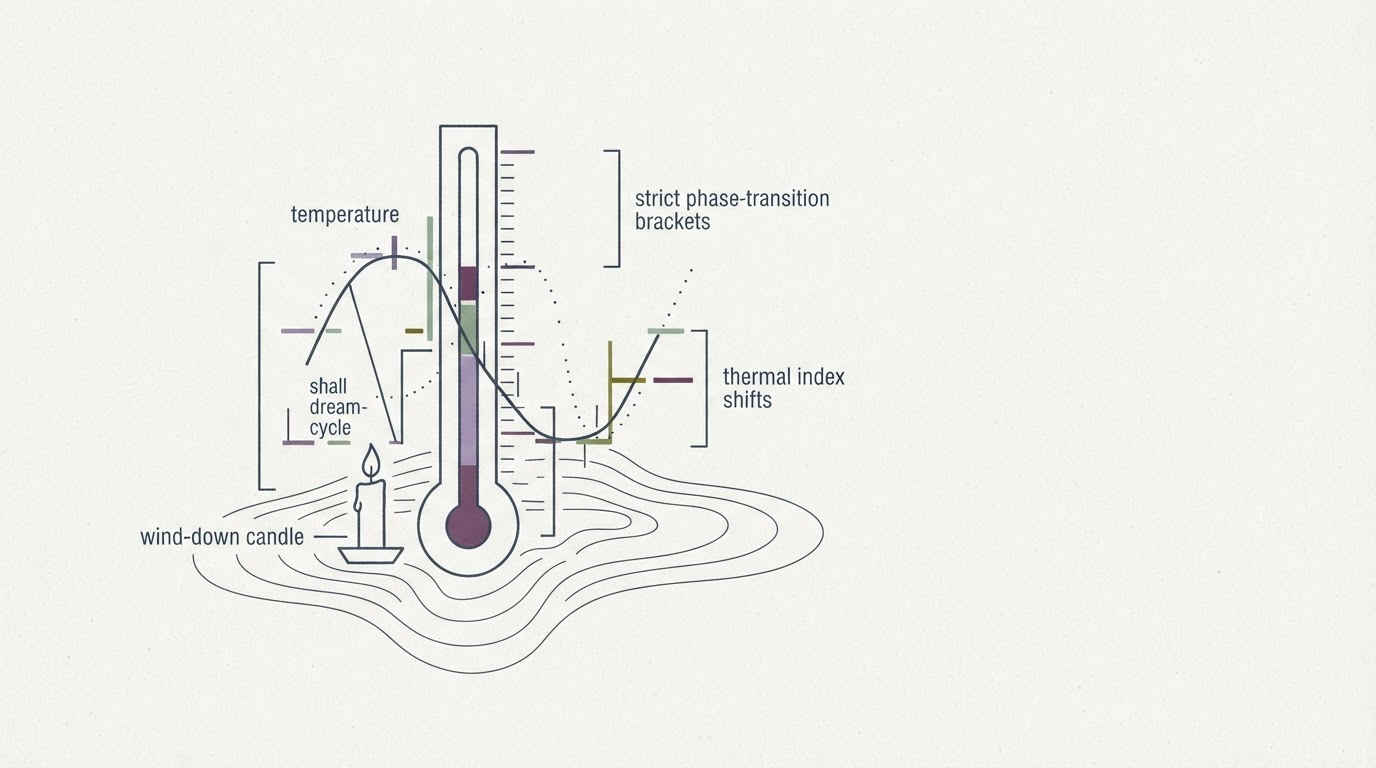
Estrogen and progesterone fluctuations don't just shift mood; they mess with core body temperature, neurotransmitter sensitivity, and even REM sleep stages. So when a woman says she's 'not sleeping well,' it's rarely a simple case of needing better blackout blinds. This piece brings it right back to the biology – a much-needed correction in a world full of generic sleep advice. For practitioners, this means digging into cycle tracking and hormonal panels when a patient presents with sleep disturbances. For individuals, it's permission to stop blaming themselves for 'bad' sleep and start asking about their hormones.