news
Hepatitis B birth dose vaccine is cost-effective in South Africa
A new Lancet Global Health analysis shows universal hepatitis B birth dose vaccination in South Africa is cost-effective and would prevent thousands of infections. The World Health Organization aims for a 90% reduction in viral hepatitis cases by 2030, with sub-Saharan Africa currently carrying 60% of the global burden. This supports a clear public health win for reducing disease transmission.
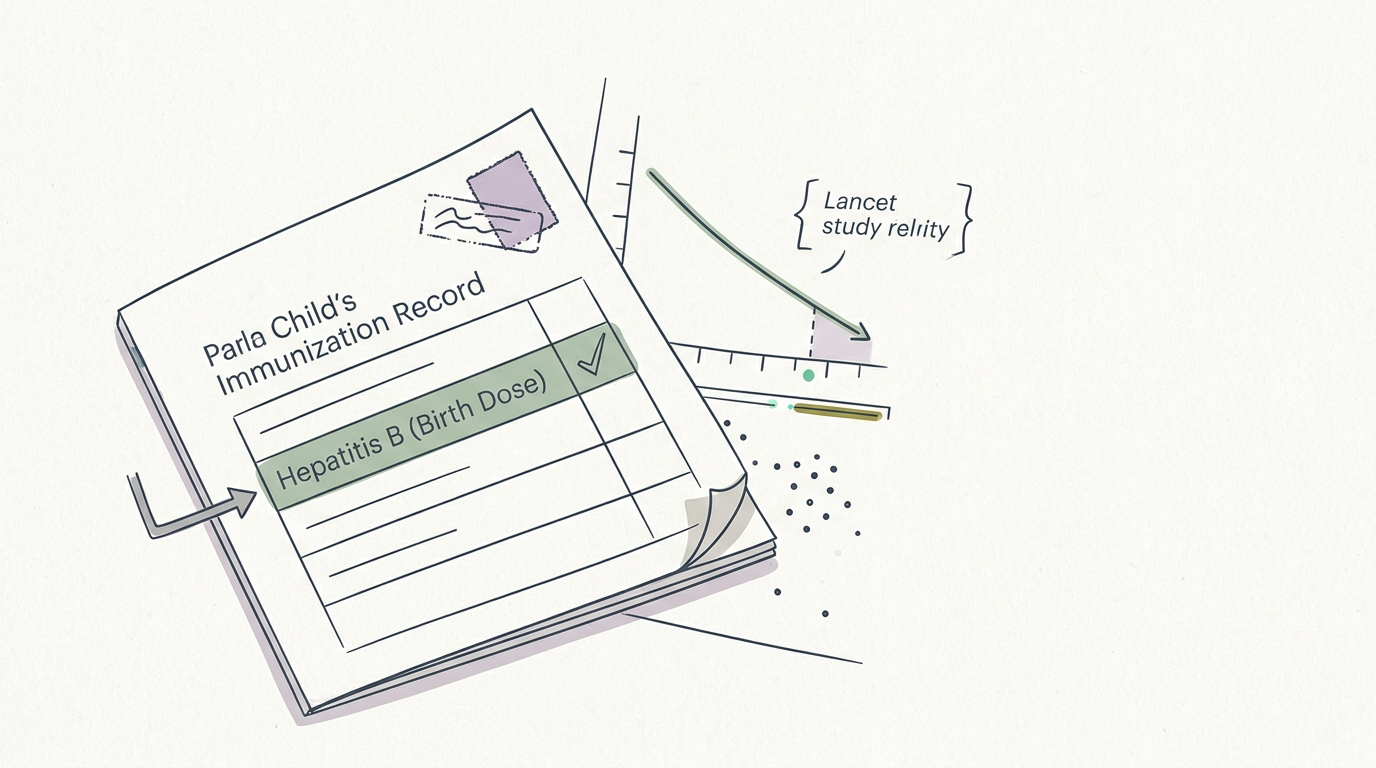
A new Lancet Global Health analysis shows universal hepatitis B birth dose vaccination in South Africa is cost-effective and would prevent thousands of infections. The World Health Organization aims for a 90% reduction in viral hepatitis cases by 2030, with sub-Saharan Africa currently carrying 60% of the global burden. This supports a clear public health win for reducing disease transmission.
The architecture take
I'm always watching for global health policy moves that directly affect population-level disease, and this is a solid one. This Lancet study isn't just theory; it's a financial model showing that rolling out universal HepB-BD in South Africa actually saves money in the long run by preventing future cases. Think of the immunity benefits: fewer mother-to-child transmissions means a significant cut in chronic infections later on. The WHO goal of cutting viral hepatitis by 90% isn't some aspirational number when you have tools like this. It points to a future where more countries, especially those with high transmission rates, can justify the up-front investment. What to watch next? Whether this economic case accelerates broader implementation across other sub-Saharan African nations with similar hepatitis burdens.