news
Hard physical labor at work tied to 20% higher dementia risk
A massive cohort study found that while leisure exercise drops dementia risk by 24%, heavy physical labor does the reverse, raising risk by 20%. The divergence comes down to sustained cardiovascular strain without recovery versus pulsed, self-directed movement.
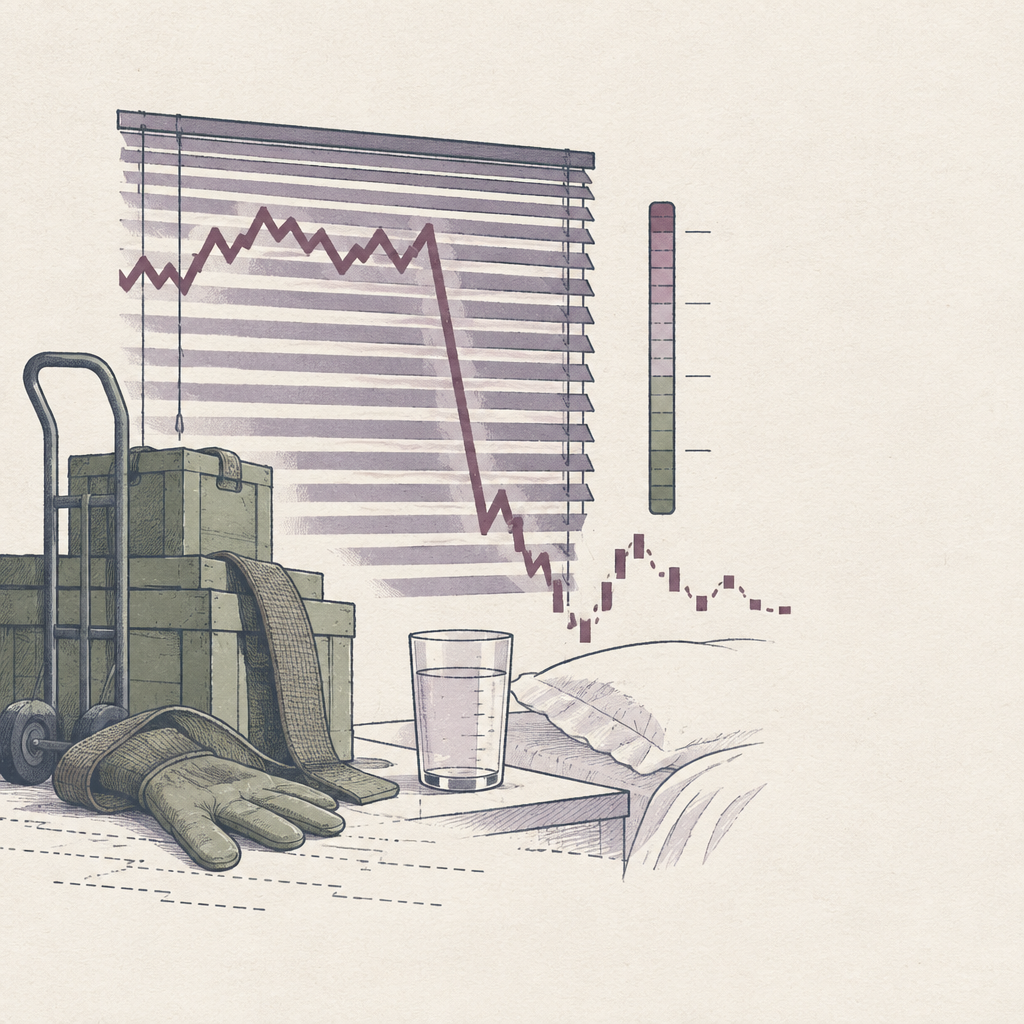
A massive cohort study found that while leisure exercise drops dementia risk by 24%, heavy physical labor does the reverse, raising risk by 20%. The divergence comes down to sustained cardiovascular strain without recovery versus pulsed, self-directed movement.
The architecture take
Movement only protects your brain when you get to decide when it stops. I spent years assuming all steps counted the same, but the autonomic nervous system keeps a very different count. Recreational training happens in short bursts with choice, decent nutrition, and an off switch that lets vagal tone recover. Heavy occupational labor is eight hours of sustained elevation, repetitive strain, and chronic cortisol without the luxury of putting down the weight when your heart rate spikes. Your blood vessels take a beating from prolonged high blood pressure, systemic inflammation climbs, and the restorative deep sleep needed for glymphatic clearance gets cut short by sheer exhaustion. The wellness industry loves preaching that movement is medicine, but dose and control dictate whether a stimulus acts as an adaptogen or wear and tear. If you spend your workdays on your feet lifting heavy crates or hauling gear, a brutal HIIT class after your shift is probably the last thing your brain actually needs.