trend
GLP-1 Users Aren't Slashing Budgets, Circana Data Shows
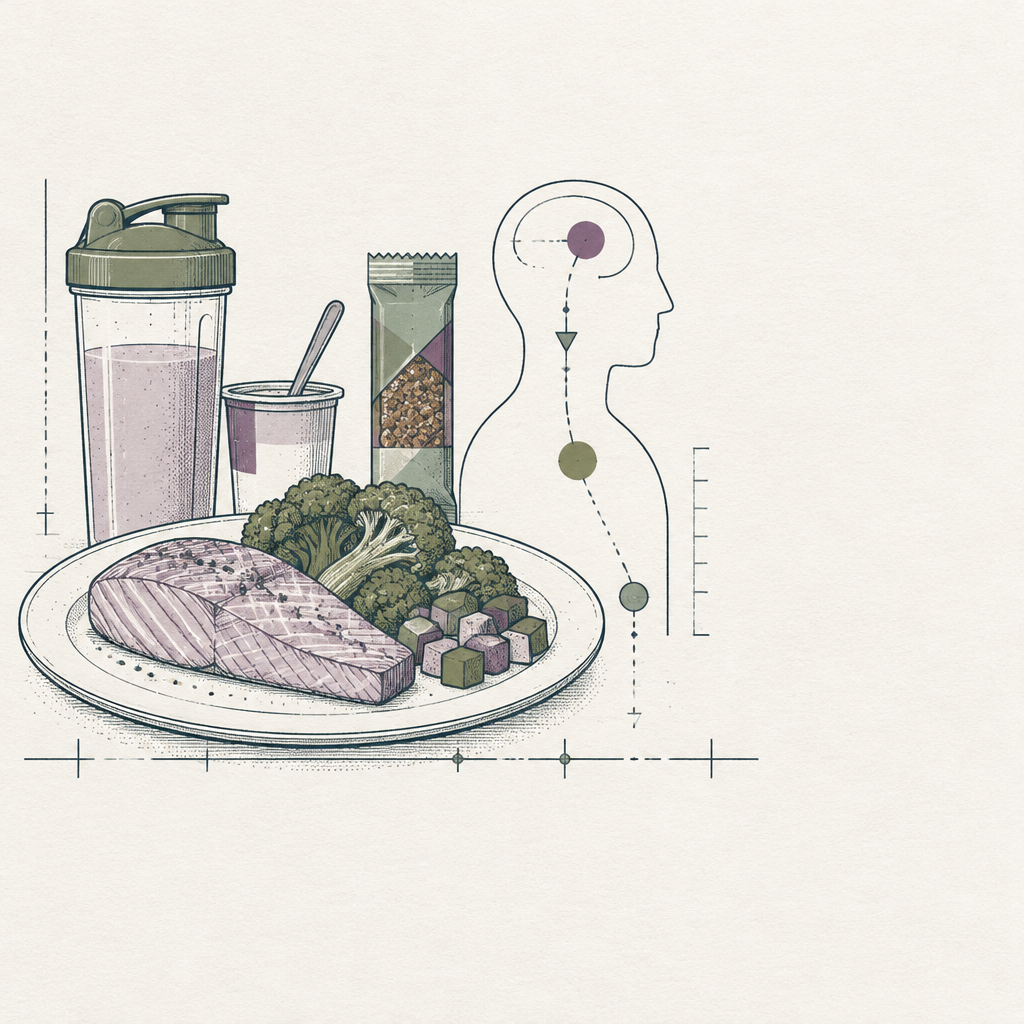
New retail tracking from Circana reveals that GLP-1 patients are not cutting overall grocery spending, contrary to early packaged-food panic. Instead, dollars are pivoting rapidly toward high-protein snacks, single-serve portions, and functional beverages that protect lean muscle. The drug alters what looks appealing on a shelf rather than killing consumption outright.
New retail tracking from Circana reveals that GLP-1 patients are not cutting overall grocery spending, contrary to early packaged-food panic. Instead, dollars are pivoting rapidly toward high-protein snacks, single-serve portions, and functional beverages that protect lean muscle. The drug alters what looks appealing on a shelf rather than killing consumption outright.
The architecture take
The early Wall Street terror that Ozempic would bankrupt snack giants missed basic human biology. When synthetic GLP-1 dials down gastric emptying and quietens dopamine-driven food noise in the brain, hunger drops, but appetite for convenience stays intact. Patients feel full on smaller volumes, which creates a frantic bodily need for nutrient density. If you can only stomach 800 calories by 3pm, you reach for 30 grams of whey isolate or pre-cut salmon, not a family-size bag of chips. Circana's numbers confirm grocery baskets are swapping sheer bulk for protein-forward formulations and hydration aids to ward off nausea and muscle wasting. Packaged food companies are already reformulating single-serve items to survive the shift. I expect standard restaurant menus to split into half-portions by late autumn to stop losing table spend from people who physically cannot finish an entree.