news
Frequent Eating May Link to Weight Gain, Study Suggests
Forget what you eat for a second: a study presented at the European Congress on Obesity found that eating more than four times a day, regardless of calorie count or food choice, correlated with a higher BMI. Researchers looked at health data from over 27,000 adults over two decades.
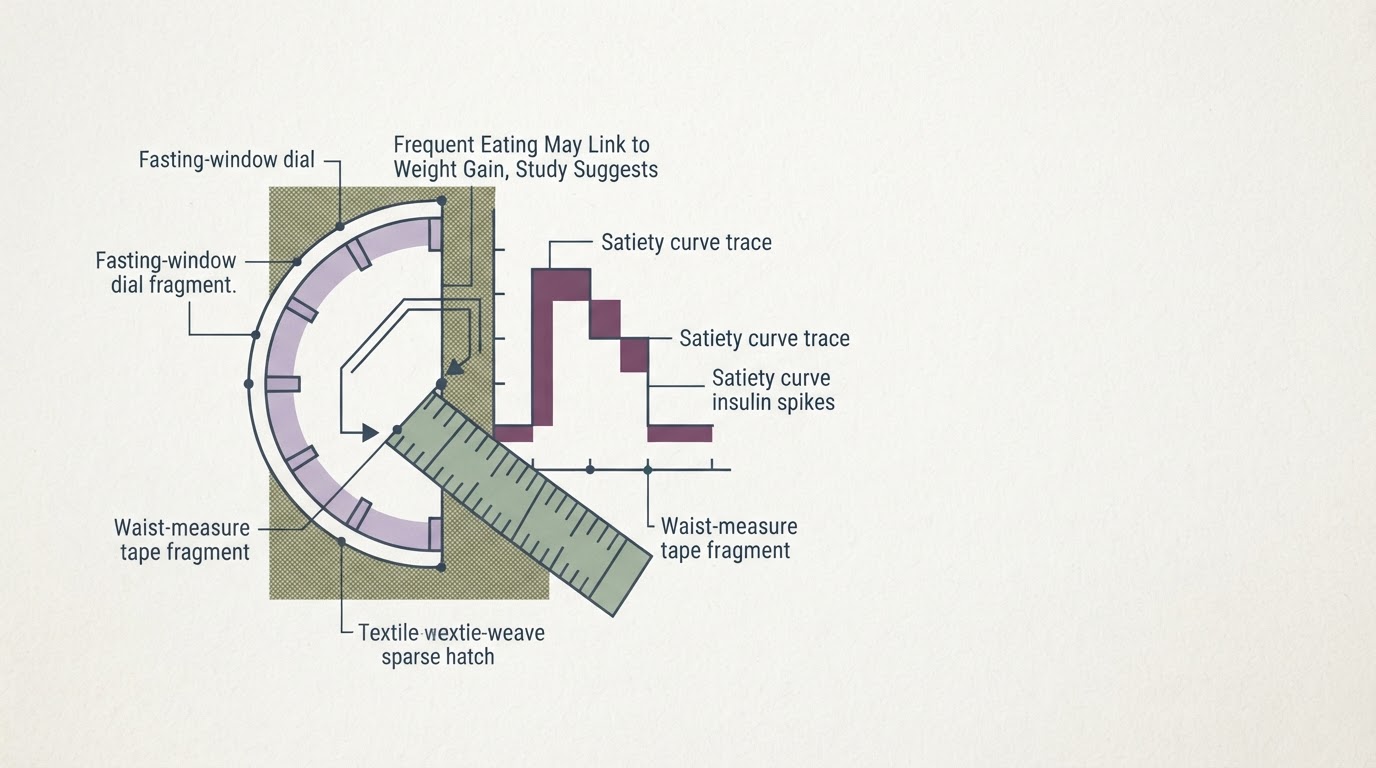
Forget what you eat for a second: a study presented at the European Congress on Obesity found that eating more than four times a day, regardless of calorie count or food choice, correlated with a higher BMI. Researchers looked at health data from over 27,000 adults over two decades.
The architecture take
Okay, so our primal instincts might be messing with our modern bodies. This isn't about what you eat, but how often—and that's the sneaky part. The mechanism at play here is probably blood sugar regulation and insulin sensitivity. Every time you eat, your body releases insulin to manage blood glucose. If you're constantly grazing, your insulin levels stay elevated, making it harder for your body to tap into fat stores for energy. This means your body might prefer to store fat rather than burn it, even if your total daily calories are the same as someone eating fewer, larger meals. It's a quiet shift in your metabolic programming, but it means that 'snack whenever' advice might actually be working against your body's natural rhythm. Sometimes, less is more, especially when it comes to keeping your metabolic hormones in check.