news
First inhaled RNA therapy for lung inflammation hits human trials
A new phase 1 trial by a team including researchers from the University of California, San Francisco, has demonstrated that an inhaled siRNA therapy targeting the RAGE protein safely reduced inflammation in the lungs of healthy volunteers. The trial, published in Nature Medicine, involved 50 participants and showed the RNA molecule could effectively be delivered to lung cells without systemic side effects. This opens the door for new treatments for chronic inflammatory lung conditions.
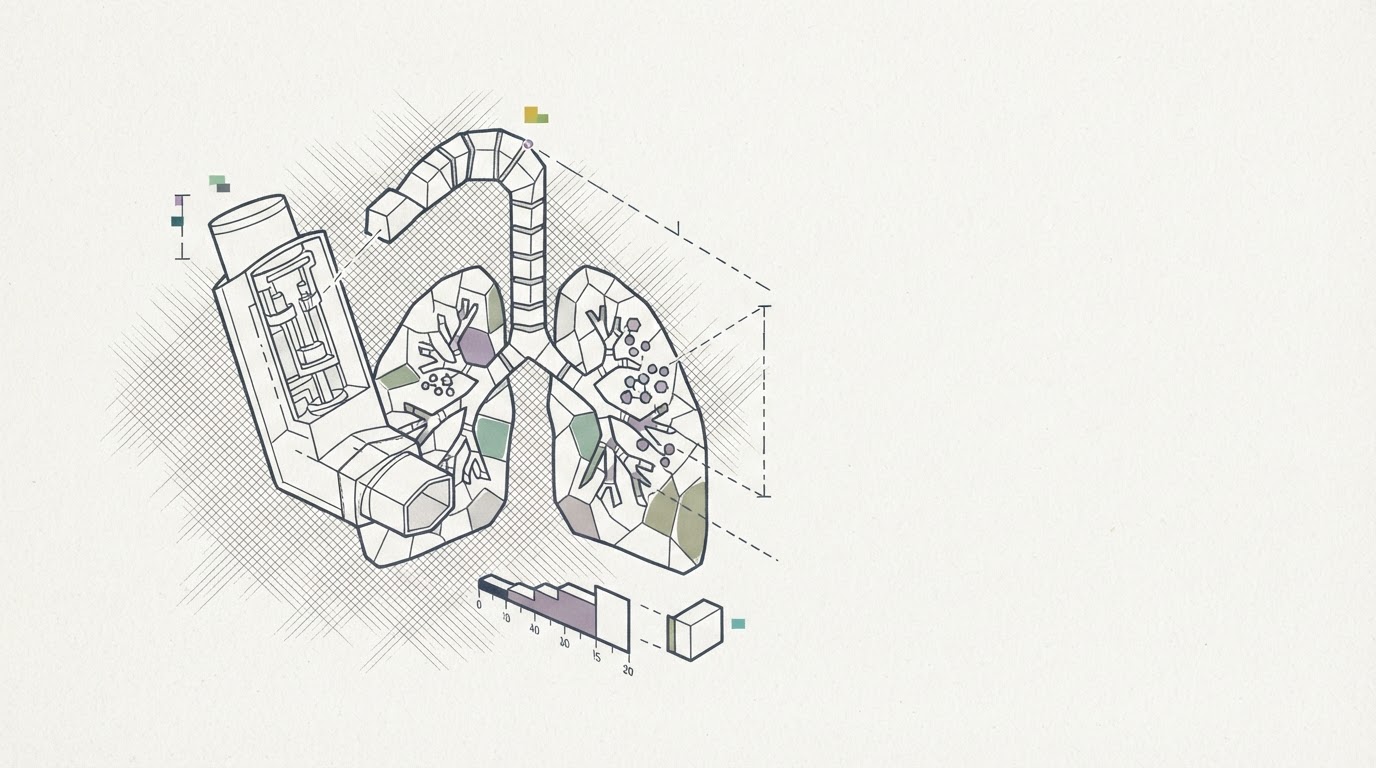
A new phase 1 trial by a team including researchers from the University of California, San Francisco, has demonstrated that an inhaled siRNA therapy targeting the RAGE protein safely reduced inflammation in the lungs of healthy volunteers. The trial, published in Nature Medicine, involved 50 participants and showed the RNA molecule could effectively be delivered to lung cells without systemic side effects. This opens the door for new treatments for chronic inflammatory lung conditions.
The architecture take
I’ve been waiting for RNA tech to hit more accessible body systems, not just vaccines. This inhaled siRNA is a big deal because it directly quiets inflammatory proteins in the lungs, right where the problem is. Think chronic cough, asthma, even long-haul symptoms from infections – the stuff that keeps your nervous system on edge. It's precise: siRNA is designed to block specific mRNA, essentially turning off the 'make more inflammation' signal from a protein called RAGE. The key is that it stayed local, no systemic issues, which is huge for safety. For anyone dealing with persistent lung irritation or just trying to breathe easier, this could mean less static in the system. The next step is trials in actual patients with lung inflammation, but this first-in-human data is promising for new ways to restore lung calm.