news
Farmed salmon losing key nutrients, new research warns
New research suggests farmed salmon's nutritional content is changing, with declining levels of crucial omega-3s, vitamin B12, and selenium. This shift is linked to changes in the fish's feed, impacting both its health benefits for humans and environmental sustainability. For anyone relying on salmon for specific nutrients, this means tracking sourcing just got more complicated.
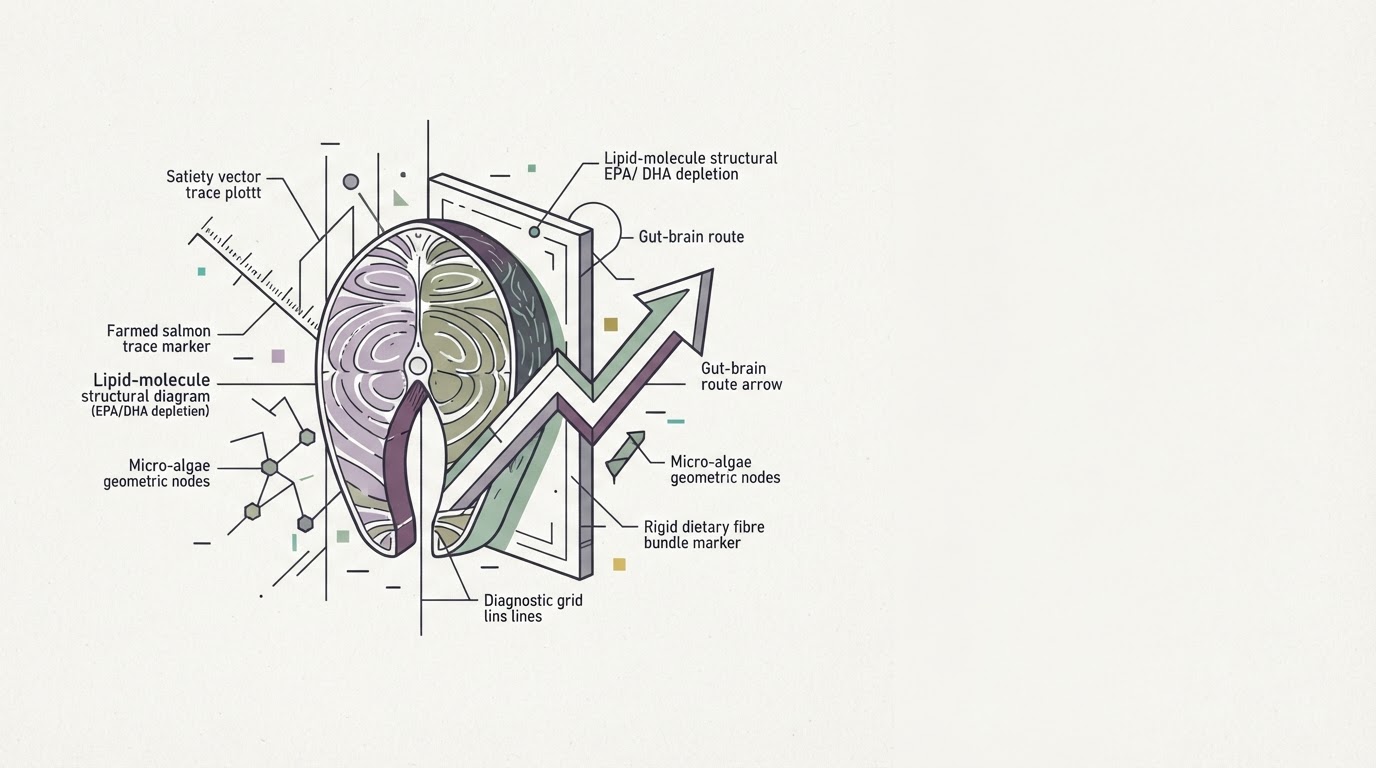
New research suggests farmed salmon's nutritional content is changing, with declining levels of crucial omega-3s, vitamin B12, and selenium. This shift is linked to changes in the fish's feed, impacting both its health benefits for humans and environmental sustainability. For anyone relying on salmon for specific nutrients, this means tracking sourcing just got more complicated.
The architecture take
So, the salmon you're buying might not be hitting the same as it used to. I’ve seen this coming for a while, honestly. This isn't just about 'less healthy' fish; it's a direct hit to your intake of vital omega-3 fatty acids, which are huge for brain health, inflammation, and nervous system regulation. When the feed changes from marine-based to plant-based, the fish's own metabolic profile shifts. You lose out on the good stuff: DHA and EPA. Think of it like this: what goes into the fish ends up in you. If their diet is watered down, so are the downstream benefits to your gut, hormones, and cognitive function. This is less about farming methods, and more about the food chain. My next move? I'm checking sources and maybe throwing some microalgae into my own routine to cover my bases.