news
Exercise research relies on inconsistent effect size calculations, new study finds
A new review in *Sports Medicine* looked at 101 exercise intervention meta-analyses and found 50 different ways researchers calculate effect sizes. Most studies relied on change scores and had to guess at pre-post correlations, which can skew the results. It means a lot of the data we rely on about what exercise works might be less solid than it seems.
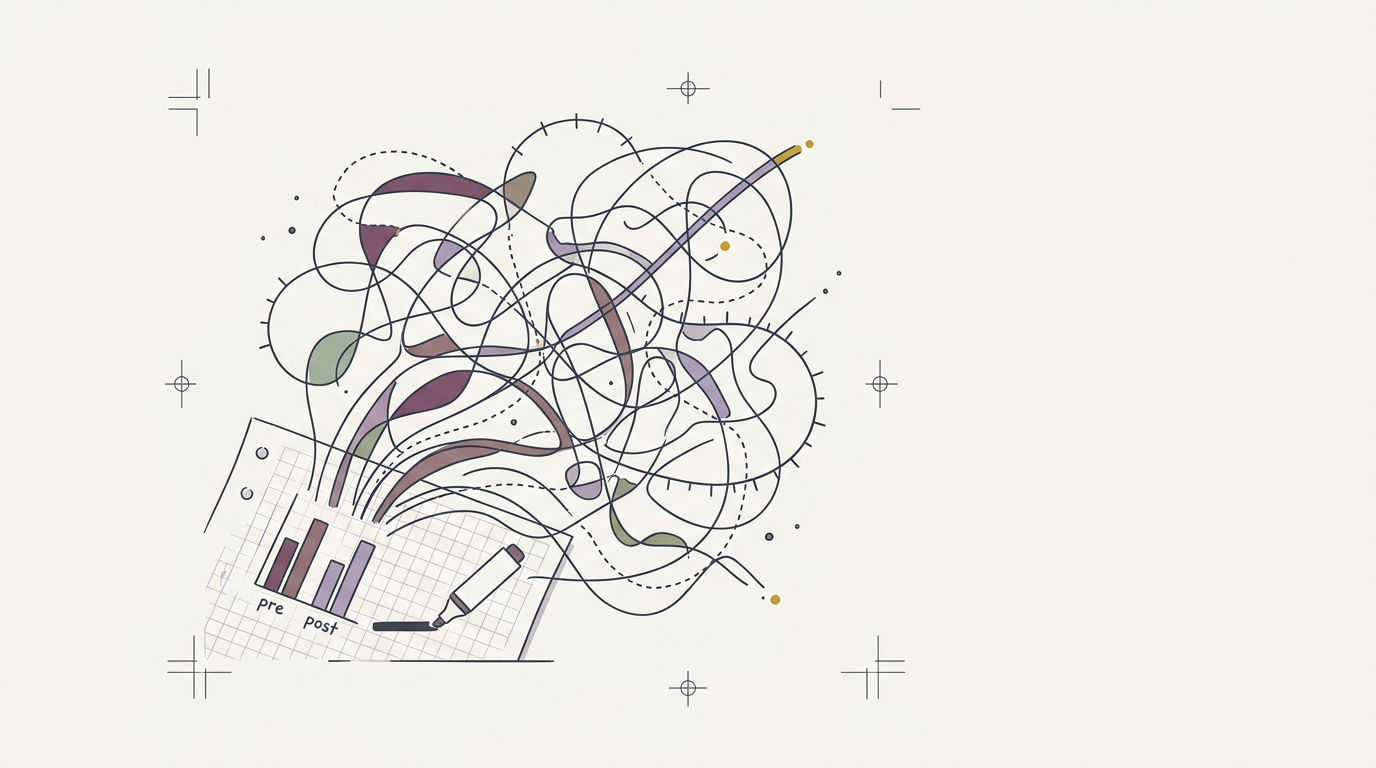
A new review in Sports Medicine looked at 101 exercise intervention meta-analyses and found 50 different ways researchers calculate effect sizes. Most studies relied on change scores and had to guess at pre-post correlations, which can skew the results. It means a lot of the data we rely on about what exercise works might be less solid than it seems.
The architecture take
You know how everyone quotes effect sizes and 'evidence-based' exercise? This paper just pulled back the curtain on how messy that data can be. It's not that exercise doesn't work, but how we measure its impact is wildly inconsistent. I see this as a red flag for anyone trying to build a personalized fitness routine based purely on published meta-analyses. If the raw ingredients — the effect sizes — are calculated 50 different ways, what does that say about the finished product? It means the 'best' exercise for your VO2max or muscle growth might be based on statistical methods that aren't comparable. For me, it solidifies the case for individual experimentation and tracking your own metrics. Don't blindly trust a number if the method behind it is a statistical black box.