news
Epigenetic editing gets closer to human trials, targeting aging
Scientists are developing epigenetic editing tools that can switch genes on or off without altering DNA—which means they could theoretically reverse age-related changes or disease states. This tech could be a massive step forward for longevity, moving beyond just diagnostics.
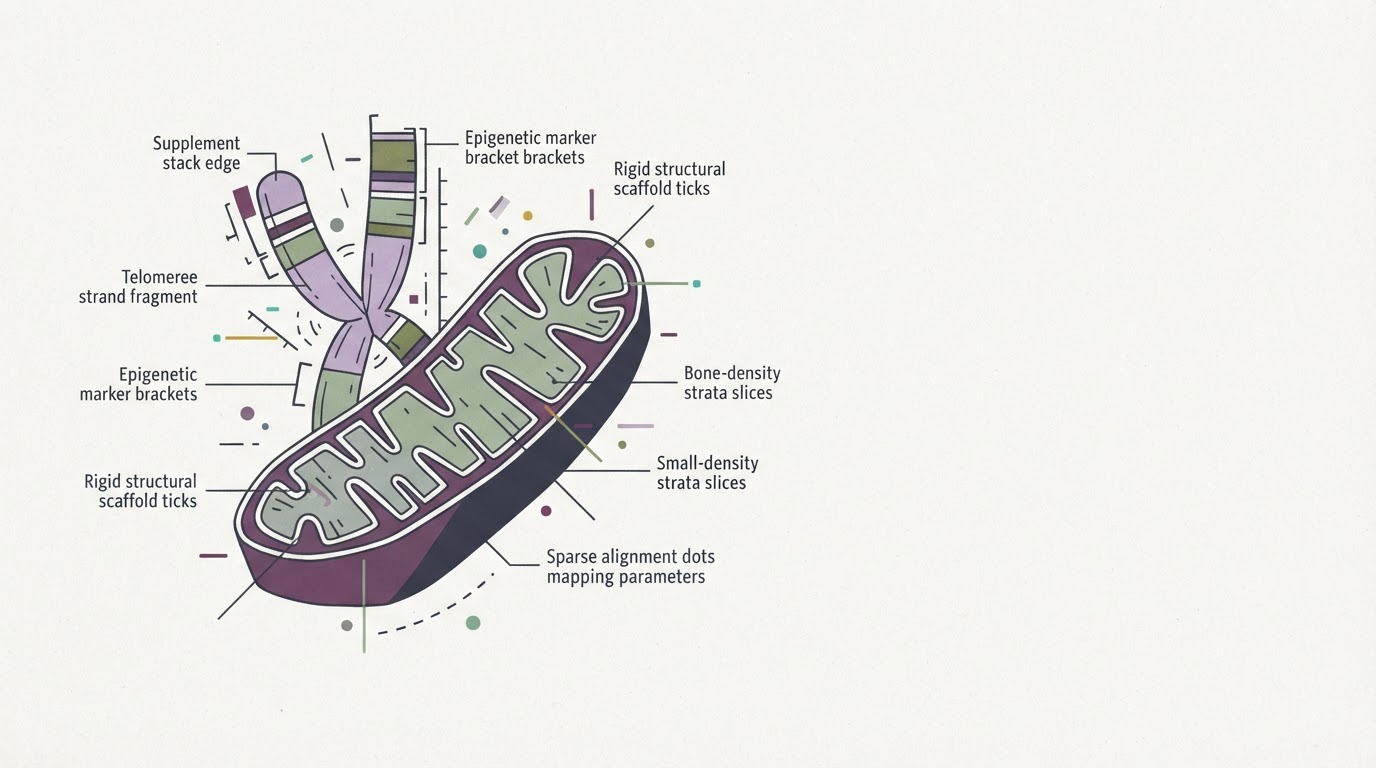
Scientists are developing epigenetic editing tools that can switch genes on or off without altering DNA—which means they could theoretically reverse age-related changes or disease states. This tech could be a massive step forward for longevity, moving beyond just diagnostics.
The architecture take
Okay, so forget just knowing your biological age; the real play is being able to change it. Epigenetic editing could mean we're not just measuring biomarkers, but actively tinkering with the body's control panel. Think about all those 'longevity supplements' that claim to reset your cellular clock—this is the actual mechanism that could make that claim real. Instead of broad-stroke interventions, we're talking surgical precision on gene expression. No more 'hope and a prayer' with a stack of pills. The big question is whether we can fine-tune this enough to avoid unintended consequences for, say, immunity or cellular growth. This is the ultimate 'nervous system calm' goal: a body that just… doesn't age the way we think it does, or at least one where chronic diseases are dramatically less of a factor. Everything else is just a warm-up act; this is the main event for true biological age reversal.