news
Eating Five Eggs a Week Linked to Lower Alzheimer's Risk
A long-term dietary analysis tracked older adults and found eating five or more eggs weekly was associated with a 27 percent lower risk of Alzheimer's dementia. The protective link points primarily to dietary choline, an essential nutrient most adults under-consume that directly fuels acetylcholine production in the brain.
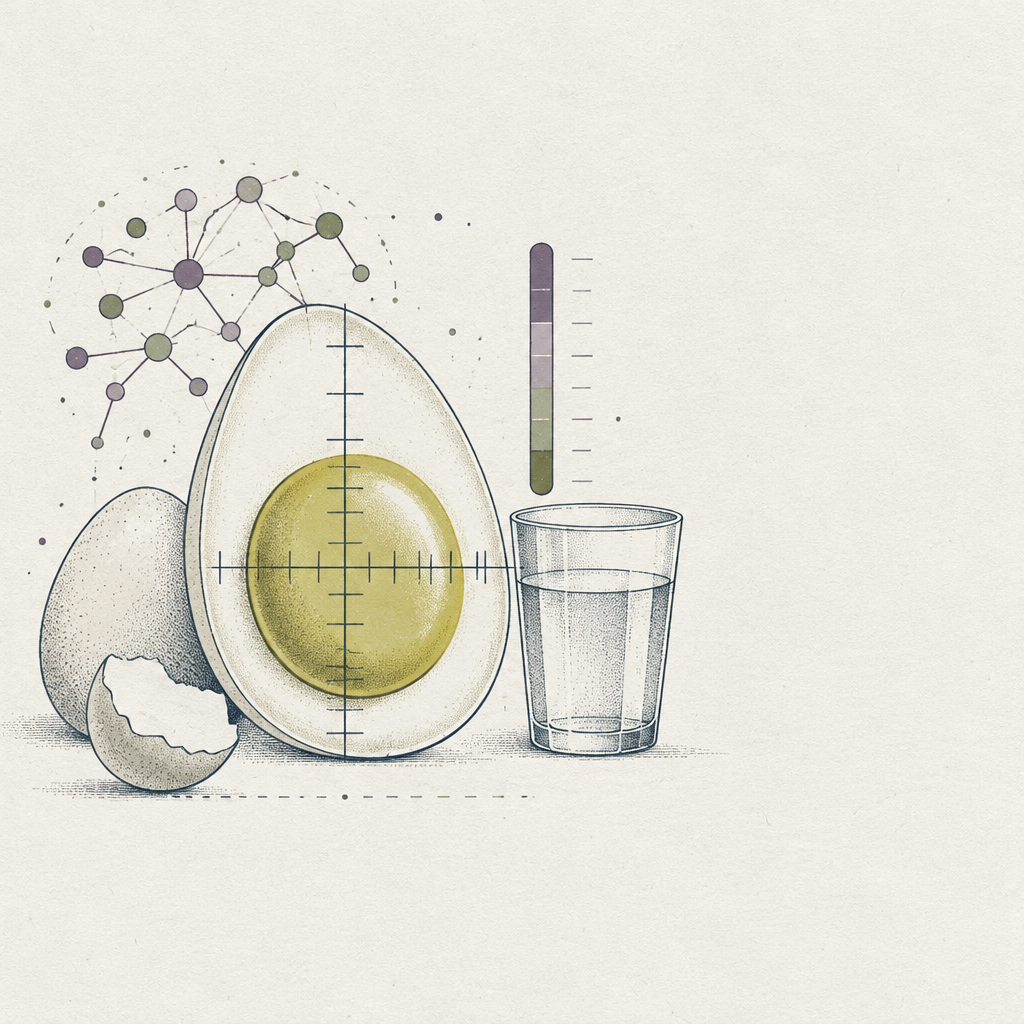
A long-term dietary analysis tracked older adults and found eating five or more eggs weekly was associated with a 27 percent lower risk of Alzheimer's dementia. The protective link points primarily to dietary choline, an essential nutrient most adults under-consume that directly fuels acetylcholine production in the brain.
The architecture take
I spent most of my twenties tossing egg yolks because someone with a fitness certificate convinced me dietary cholesterol was an express lane to arterial doom. I was completely wrong, and unlearning that took years. The driver here is choline. Your brain burns through choline to synthesize acetylcholine, the neurotransmitter running your memory circuits and attention baseline. Eggs happen to be one of the densest whole-food sources of it, alongside lutein and zeaxanthin, which tamp down systemic neuroinflammation before it chews through synaptic connections. When cohort data links five eggs a week to a 27 percent drop in Alzheimer's risk, it exposes how badly dietary dogma drifted from basic brain biology. I'd rather have two eggs scrambled in olive oil than a thirty-ingredient nootropic stack in an opaque plastic tub. Keep the yolks runny and don't overthink breakfast.