news
Dual mobility hip prosthetics improve patient confidence after fracture, says Lancet
A comment in The Lancet suggests that dual-mobility total hip replacements, used in over 14 million hip fractures worldwide in 2019, offer better stability. This improved stability helps patients regain and maintain confidence post-surgery. It's a shout-out for how prosthetic design directly impacts patient mental and physical recovery.
A comment in The Lancet suggests that dual-mobility total hip replacements, used in over 14 million hip fractures worldwide in 2019, offer better stability. This improved stability helps patients regain and maintain confidence post-surgery. It's a shout-out for how prosthetic design directly impacts patient mental and physical recovery.
The architecture take
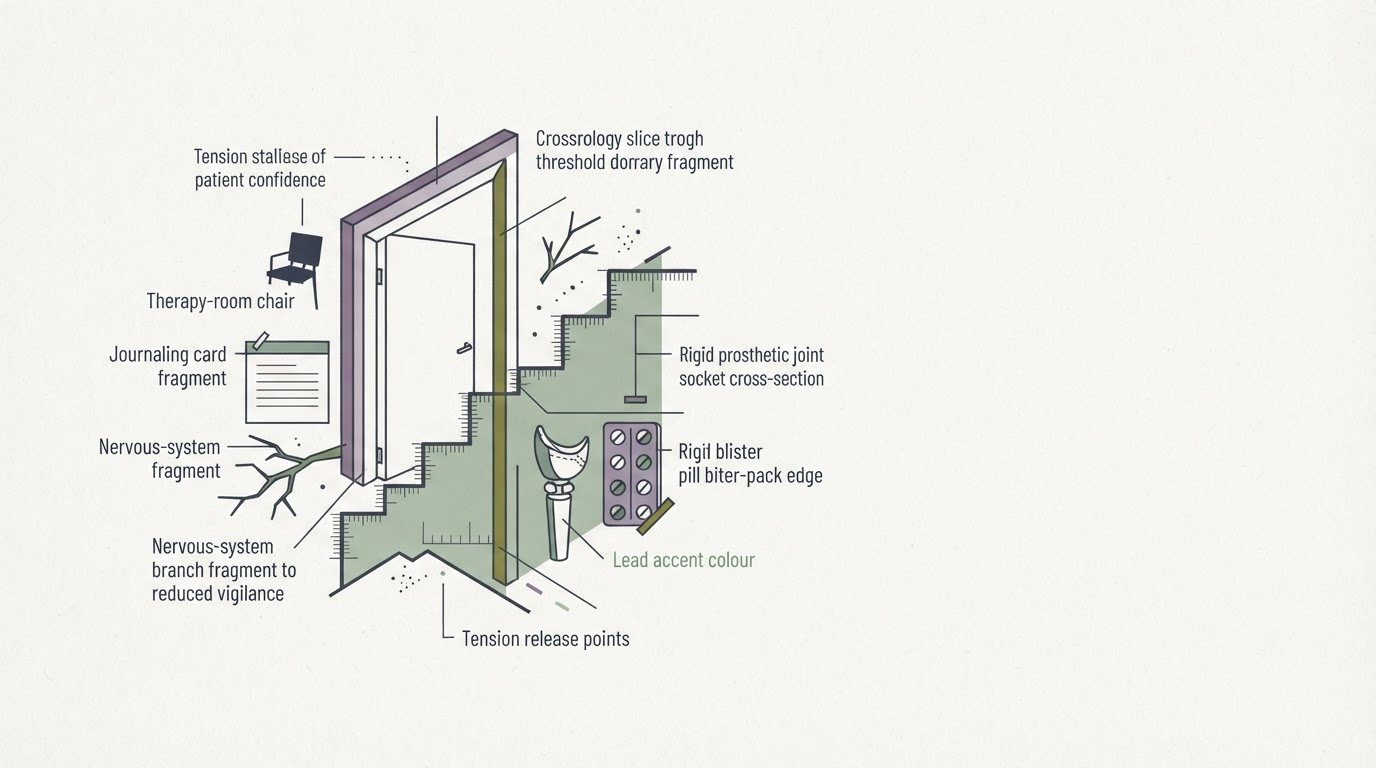
Okay, so Lancet's dropping a comment that dual-mobility hip prosthetics aren't just physically better, they're psychologically better. Meaning, people who get these replacements aren't just walking around, they're moving with less fear of things going sideways. Think about it: when your body feels stable, your nervous system can actually dial down the vigilance. Less bracing, less guarding. This isn't just about avoiding another fall; it's about reducing the chronic stress response that comes with always being on high alert. The real win here is how this physical technology directly impacts mental real estate, letting people regain some agency and maybe, just maybe, cut down on the anxiety that sticks around after a major injury. Watch for more medical tech to lean into the 'patient confidence' angle as a key selling point.