news
Drug transforms brain cells into new neurons, reverses Alzheimer's in mice
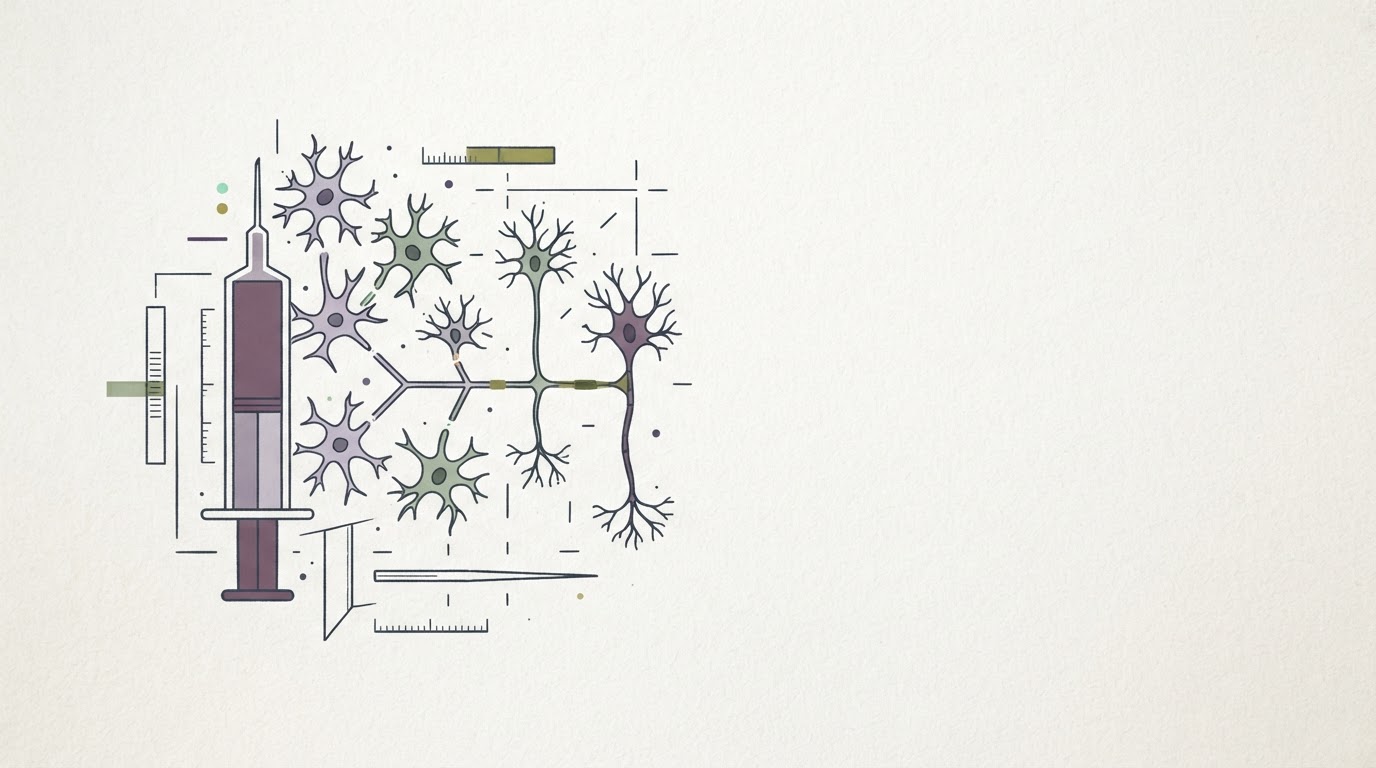
Scientists developed a drug that, when injected, converts brain astrocytes into new neurons. In early studies, mice with Alzheimer's models showed significant symptom reversal compared to untreated peers. This research points to a potential new pathway for neurodegenerative disease treatment.
Scientists developed a drug that, when injected, converts brain astrocytes into new neurons. In early studies, mice with Alzheimer's models showed significant symptom reversal compared to untreated peers. This research points to a potential new pathway for neurodegenerative disease treatment.
The architecture take
I keep seeing research like this and thinking about how much we misunderstand brain plasticity. This isn't just about repairing damage; it's about regeneration from within the brain itself, essentially coaxing existing cells to become something new. The mechanism here is neat: astrocytes, usually support cells, can be reprogrammed to become functional neurons. It worked in mice, and that's a huge hurdle to clear for neurodegenerative disease. If this ever makes it to humans, it bypasses the messy issue of external stem cell transplants, using the body's own resources. It's a long road from mouse model to human trials, sure, but what it signals is a shift away from just slowing decay toward actively rebuilding the neural network. Watch how the biotech funding shifts towards these in-situ reprogramming approaches in the next few years.