news
DNA creates tiny loops to protect itself during replication
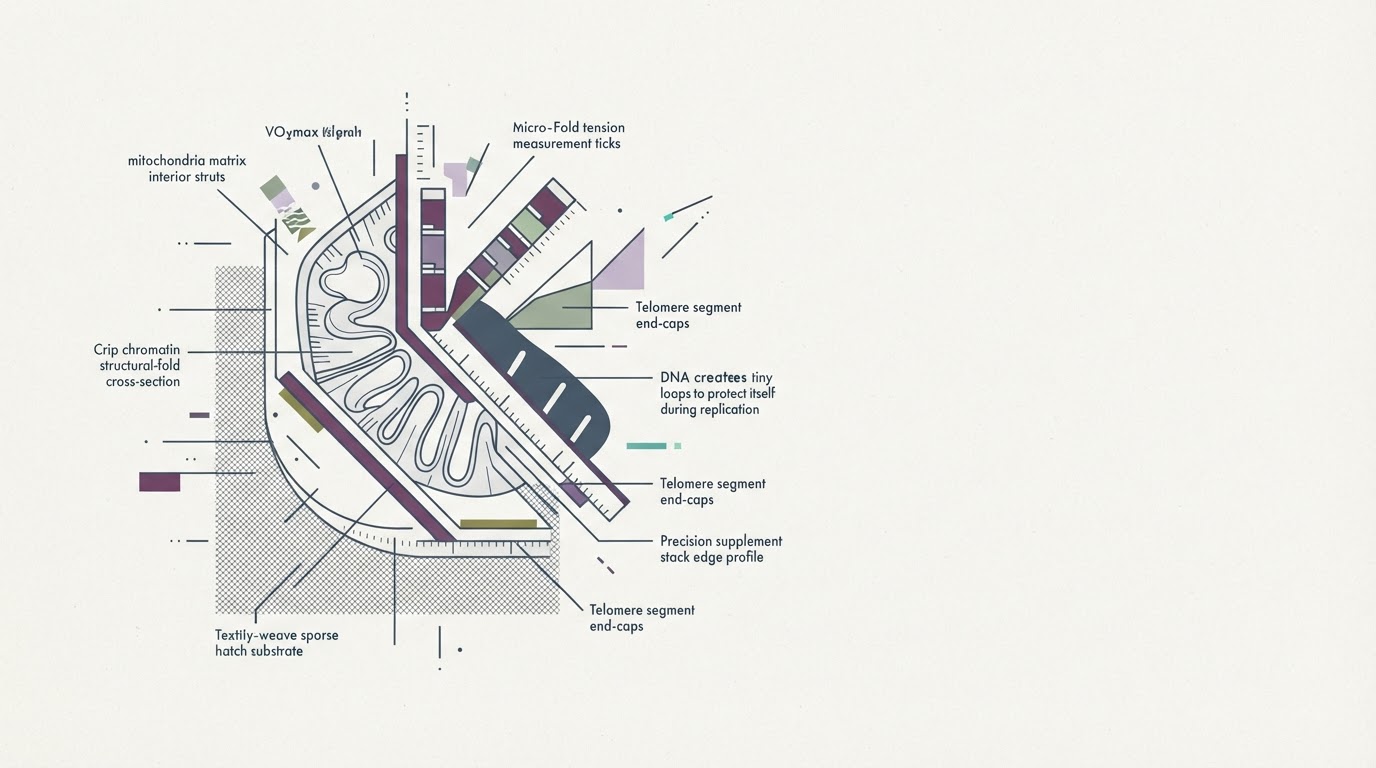
New research by lead author Anne-Marie Trinh, published in Nature, shows that during DNA replication stress, our cells form micro-loops in their chromatin. These tiny loops act as a defense mechanism, shielding the DNA from damage and maintaining its integrity as it copies itself. This helps the body prevent mutations linked to cancer and aging.
New research by lead author Anne-Marie Trinh, published in Nature, shows that during DNA replication stress, our cells form micro-loops in their chromatin. These tiny loops act as a defense mechanism, shielding the DNA from damage and maintaining its integrity as it copies itself. This helps the body prevent mutations linked to cancer and aging.
The architecture take
Think of it as your body's inherent stress response, but for your genetic material. When things get chaotic, the DNA's tiny loops help it keep its cool, literally making sure your cells can still copy themselves without going rogue for better longevity.