news
Device revives donor eyeballs, making whole eye transplants more viable
Researchers have developed a device that can keep donor eyeballs viable for transplantation by maintaining their oxygen and nutrient supply. This tech addresses a major hurdle in whole eye transplants, which typically fail due to rapid degeneration of the eye tissue post-mortem. It means the possibility of restoring sight may be closer for people with severe eye trauma or disease.
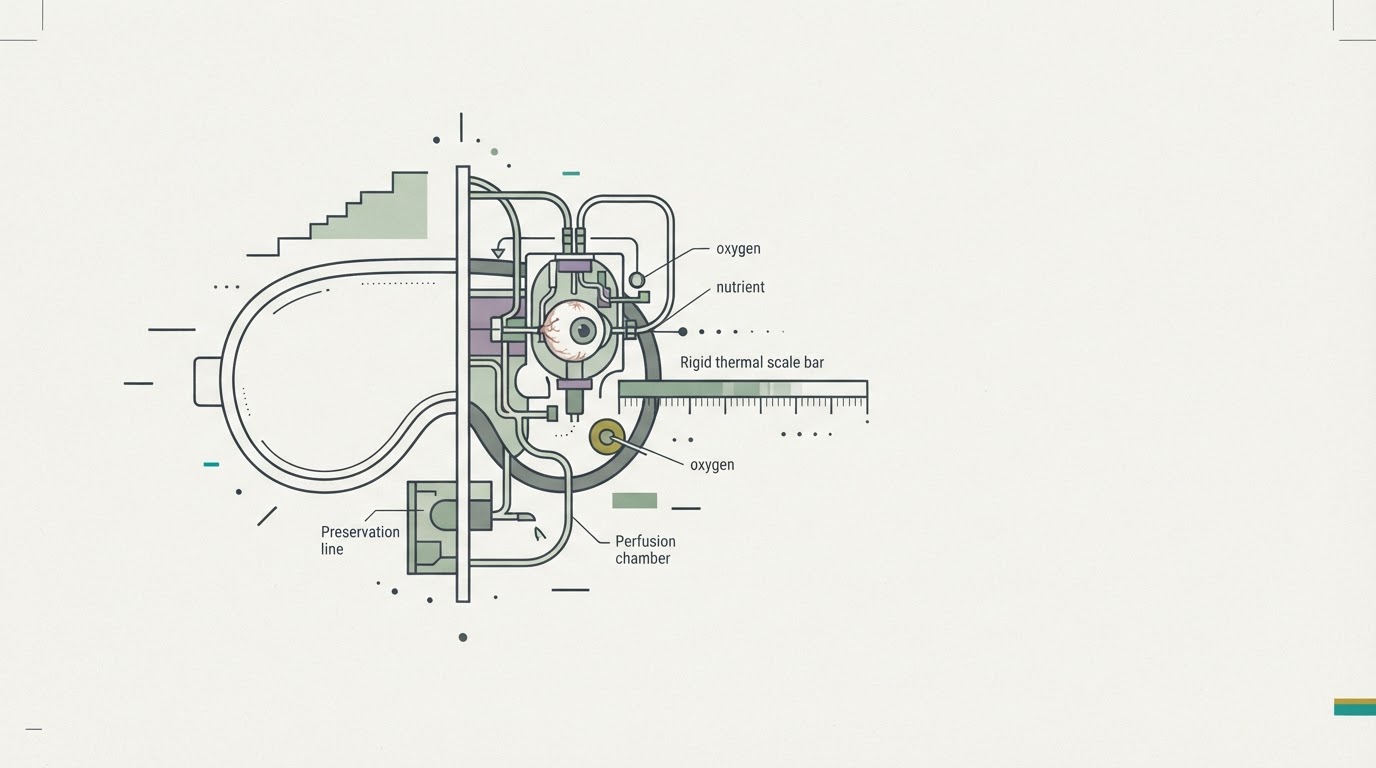
Researchers have developed a device that can keep donor eyeballs viable for transplantation by maintaining their oxygen and nutrient supply. This tech addresses a major hurdle in whole eye transplants, which typically fail due to rapid degeneration of the eye tissue post-mortem. It means the possibility of restoring sight may be closer for people with severe eye trauma or disease.
The architecture take
Okay, so scientists just figured out how to keep dead eyeballs fresh enough for transplants. For real. This isn't just about restoring vision for folks with severe damage; it's a peek at what's next in organ preservation and biotech. We’re already figuring out how to keep organs alive outside the body, pushing the limits of what a 'dead' organ really means before it's too far gone. If they can solve whole eye transplantation, something considered nearly impossible just a few years ago, imagine what it means for other complex organs or tissues. This tech effectively extends the shelf life of donor organs, cutting down on time-sensitive logistics and potentially increasing the window for successful, intricate surgeries. It’s a quiet but massive leap in how we approach organ replacement, and it's going to ripple across surgical fields and longevity science. Keep an eye on similar tools for other organs.